

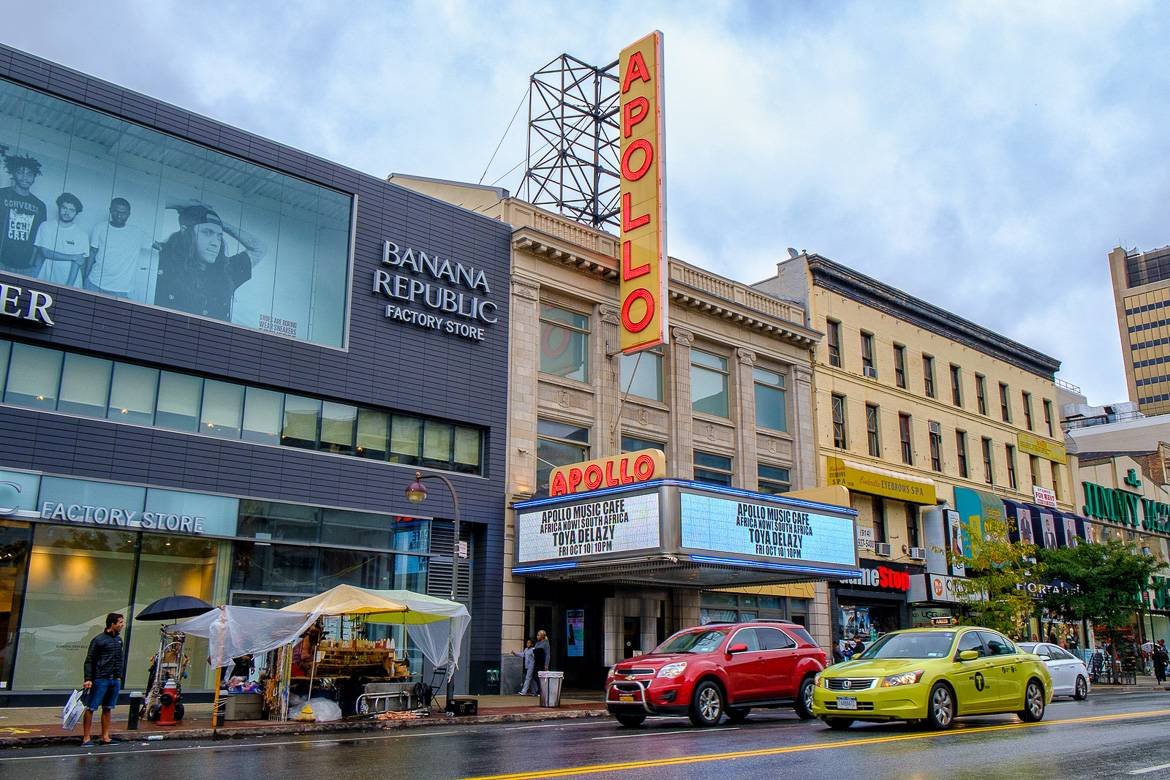
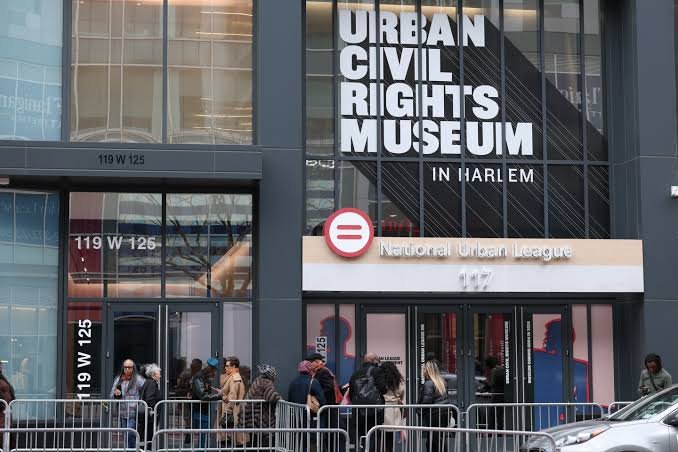
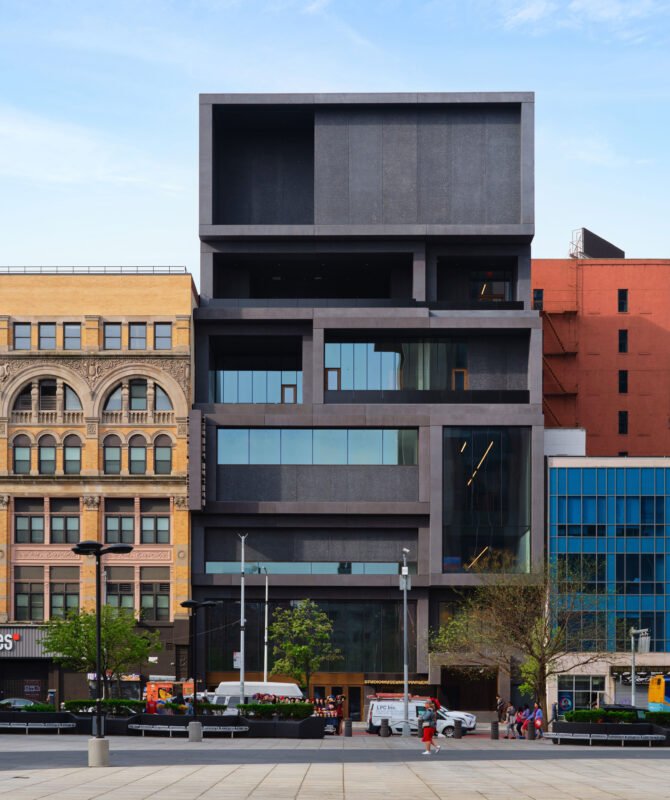
The opening of new the Studio Museum representing artists of African descent, and the return of the National Urban League headquarters mark a significant cultural moment for Harlem, as the neighborhood reasserts itself as a center of African American history and heritage. These new institutions aim to honor Harlem’s legacy while creating space for contemporary Black art, activism, and storytelling.
Harlem’s cultural identity was shaped by the Great Migration, when African Americans moved north in the early 20th century and transformed the neighborhood into the home of the Harlem Renaissance.
Despite decades of challenges including economic decline, housing discrimination, the 1964 riots, and the crack epidemic Harlem’s landmarks such as the Apollo Theater, Marcus Garvey Park, and the National Black Theatre continue to anchor its Black cultural roots. But the neighborhood’s future is complicated by ongoing gentrification. Rising rents and luxury development, especially in South Harlem, have displaced long-term residents and raised concerns about the erasure of Harlem’s Black identity.
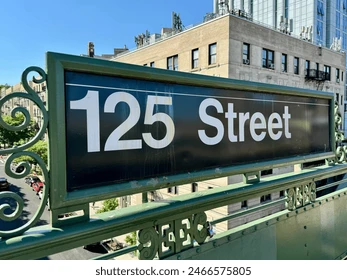
Jacqueline Orange, owner of Taste Harlem, noted that while improved infrastructure is convenient, it “comes at a cost,” because the neighborhood loses the unique elements that make Harlem what it is, as reported by Elizabeth Arakelian in a article released in the 2010s through NYU’s journalism program.
While investment has brought new businesses and infrastructure, it has also accelerated demographic change and reshaped the community’s cultural landscape.
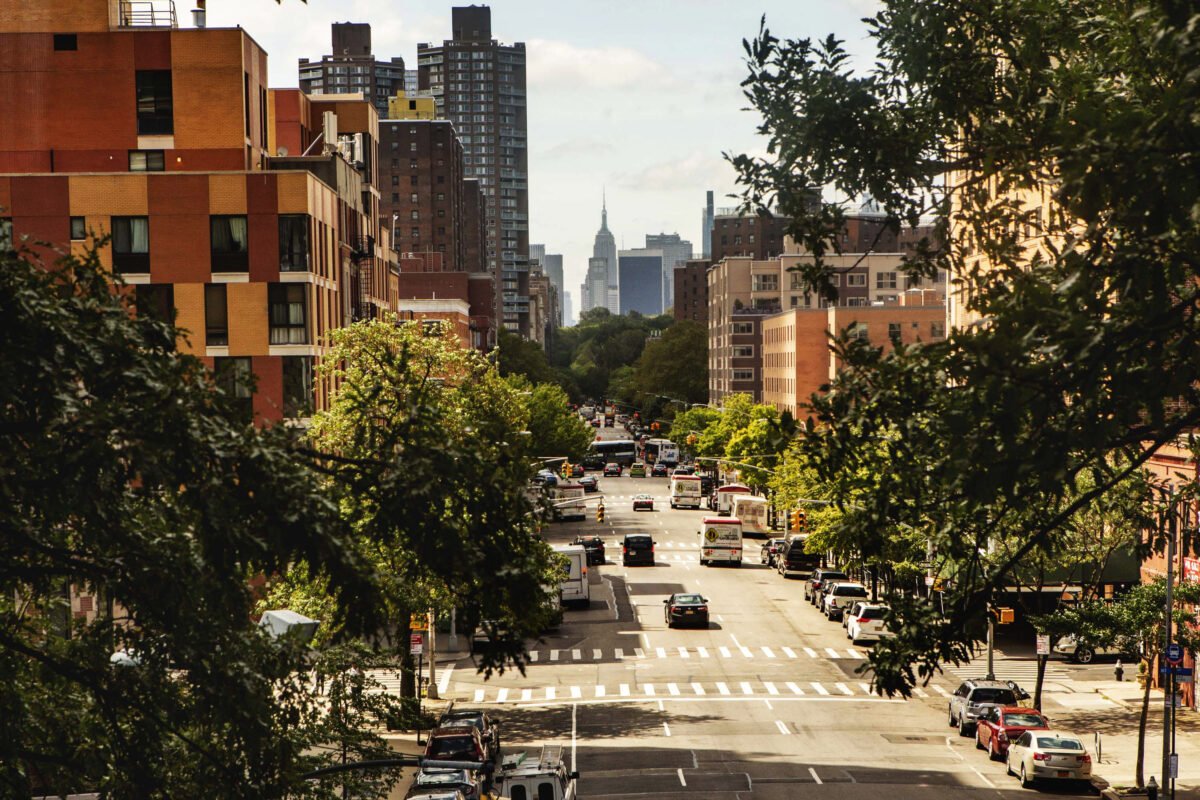
A 2024 article by Sahara Sajjadiankhah, “Town and Gown in Harlem: How Gentrification Hits Black-Owned Businesses,” explains that gentrification places significant strain on Black-owned businesses that are vital to Harlem’s economy. Rising costs and structural barriers hinder their growth, adding pressure as they struggle to compete with larger corporations.
The National Urban League Empowerment Center, the Studio Museum celebrating artists of the African Diaspora, and the planned Museum of Civil Rights are poised to strengthen Harlem’s role as a cultural hub with some sign of hope. Yet their long-term impact will depend on whether development is pursued in a way that uplifts Harlem’s existing community rather than pushing it aside.
To address displacement pressures, Harlem has begun exploring community-driven strategies such as community land trusts (CLTs). The East Harlem/El Barrio Community Land Trust (EHEBCLT) has already rehabilitated city-owned buildings to provide permanently affordable housing, including 36-38 rental apartments and several commercial and community spaces, some reserved for very low-income households. Meanwhile, a Central Harlem CLT is in formation, signaling the potential for CLTs to expand across the neighborhood. Additionally, large developments like the One45 project plan 338 affordable apartments among 1,000 units, showing how integration of affordable housing can coexist with new investment. CITs and similar models help ensure long-term residents benefit from growth rather than being displaced, preserving Harlem’s cultural and social fabric.
Urban planners in other cities emphasize that revitalization can be done responsibly. Equitable development includes strong rent protections, affordable housing requirements, community land trusts, support for local businesses, and resident-led planning all strategies used successfully in cities Iike Boston, Minneapolis, and Washington, D.C. These models demonstrate that a neighborhood can grow while still protecting the people who gave it its character.
As Harlem continues to evolve, its new museums and cultural centers may help preserve its history while shaping its future but only if revitalization keeps longtime residents at the heart of the process. By combining cultural investment with strategies like CLTs and affordable housing. Harlem can honor its past while ensuring that its community thrives in the years ahead.