


A convergence of political upheaval, cultural flashpoints, and historic moments defined 2025, dominating public discourse and reshaping the national mood. From tragedy and disaster to courtroom reckonings, immigration crackdowns, and political transitions, the year unfolded as one marked by instability, resilience, and sustained national debate.
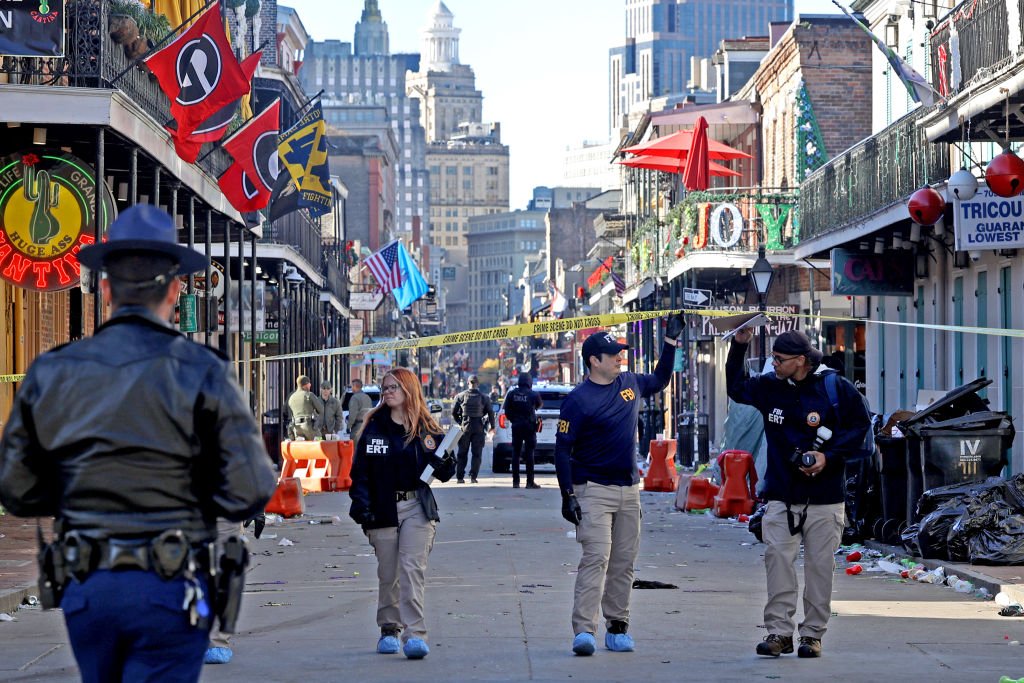
The year began under a somber cloud. On New Year’s Day, a deadly attack in New Orleans claimed the lives of 14 people, shocking the nation and reigniting urgent conversations around public safety and gun violence. Days later, a massive fire devastated parts of the Los Angeles area, displacing families and underscoring the vulnerability of communities to sudden catastrophe.
January closed with one of the deadliest aviation disasters in recent U.S. history. On January 29, 2025, American Airlines Flight 5342, operated by PSA Airlines, collided midair with a U.S. Army Black Hawk helicopter over the Potomac River near Ronald Reagan Washington National Airport. All 67 people aboard both aircraft were killed, prompting renewed scrutiny of air traffic safety and military-civilian airspace coordination.
Aviation tragedies continued into February. Bering Air Flight 445 crashed in Alaska, killing all 10 passengers. Med Jets Flight 056 went down in Philadelphia, killing six people onboard and two on the ground. Later in the year, UPS Airlines Flight 2976 crashed in Louisville, Kentucky, killing three crew members and 12 people on the ground. Internationally, Aerolínea Lanhsa Flight 018 crashed near Roatán, Honduras, killing most of those aboard. Collectively, these incidents intensified global calls for enhanced aviation safety standards and emergency response reforms.

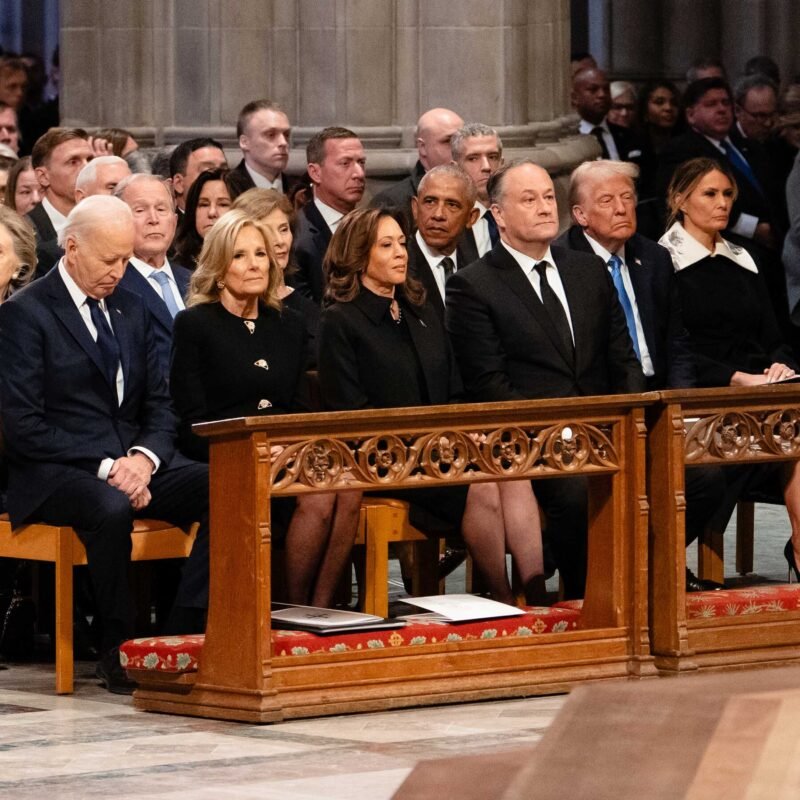

Politically, 2025 reflected a year of transition and tension. Vice President Kamala Harris drew national attention for her composure following her loss to Donald Trump in the 2024 presidential election. On the anniversary of January 6, she presided over her final joint session of Congress with calm resolve, reinforcing the importance of democratic stability during moments of political change. Following her departure from office, Harris embarked on a nationwide and international book tour, with stops across the United States, Canada, and Europe, reflecting on her campaign and broader political journey.
The nation also bid farewell to former President Jimmy Carter, who passed away on December 30, 2024. In January 2025, memorial services in Plains, Georgia; Atlanta; and Washington, D.C., honored his enduring legacy of service, diplomacy, and humanitarian work.
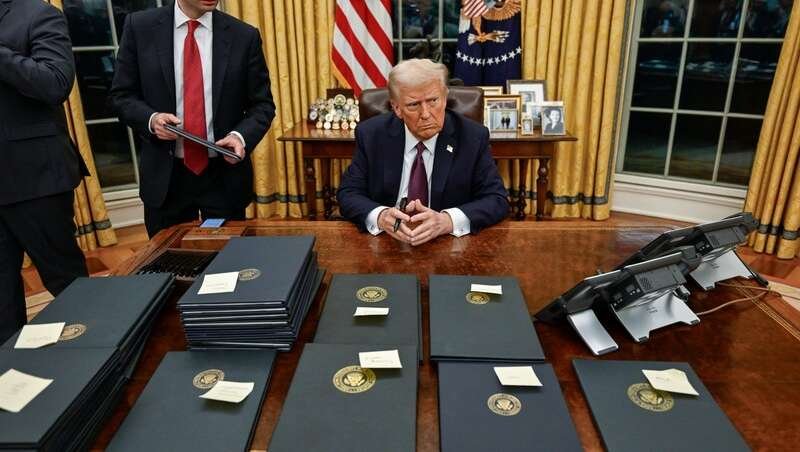

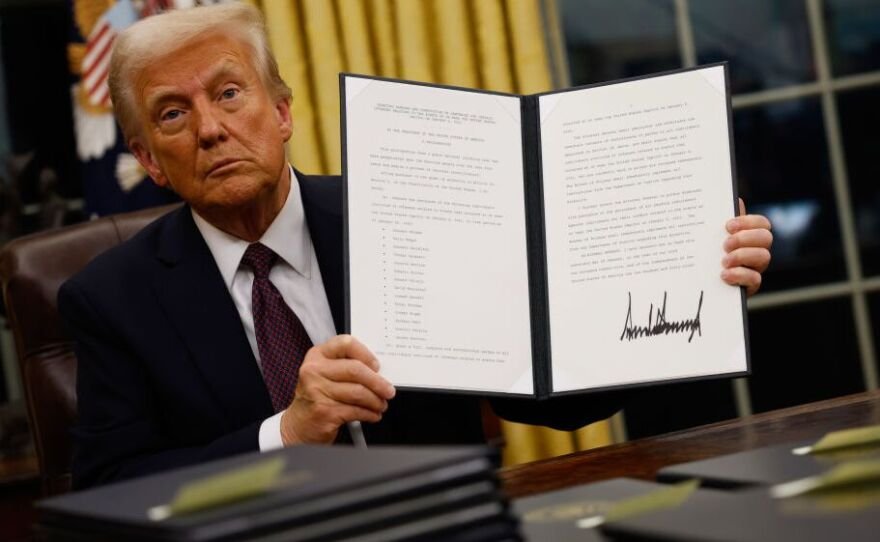
Early in the year, TikTok briefly faced a nationwide shutdown, sparking widespread concern among users and creators before the platform was restored in less than 24 hours. Shortly thereafter, Trump’s presidential inauguration marked the beginning of his second term. Several executive actions signed in the opening weeks raised alarms over racial profiling, civil rights protections, federal workforce restructuring, and immigration enforcement priorities.
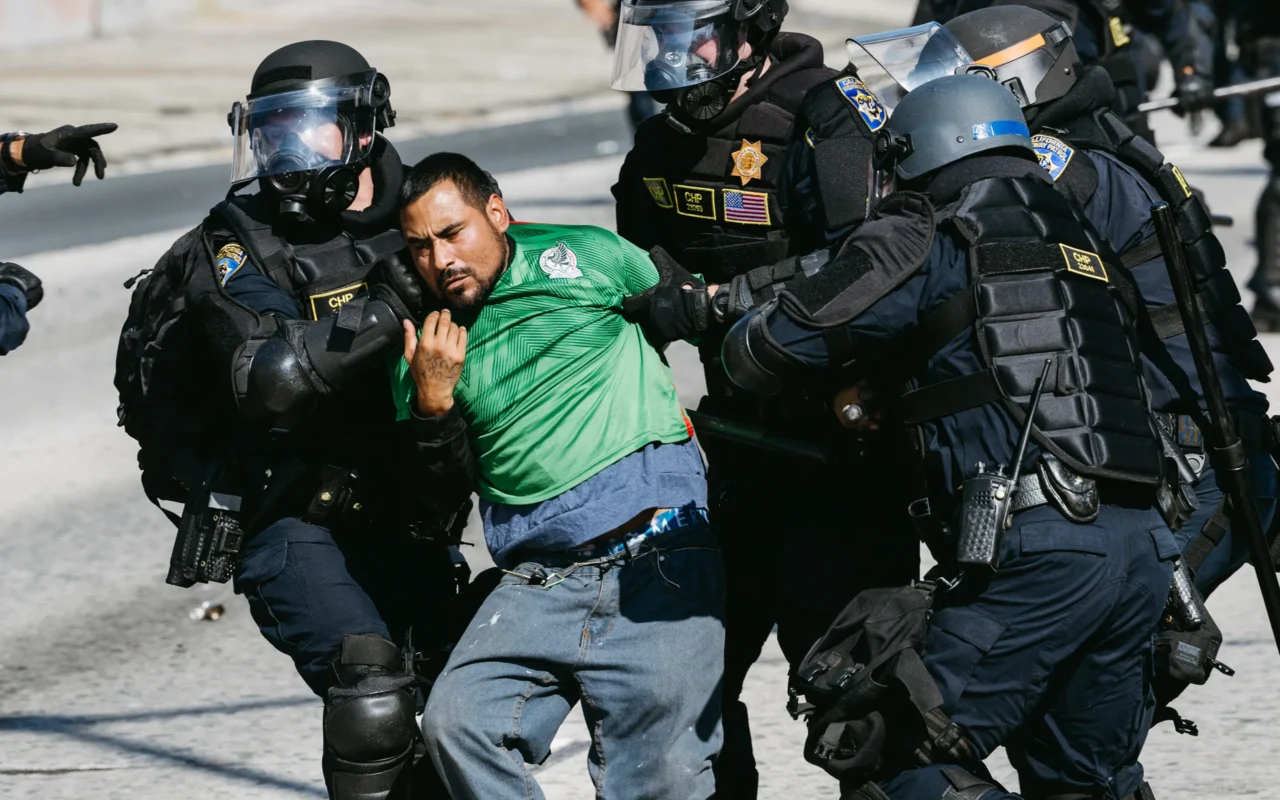
Those concerns intensified as the Trump administration launched a series of coordinated ICE raids across major U.S. cities, including New York, Los Angeles, Houston, Atlanta, and Chicago. The large-scale enforcement actions targeted immigrant communities, workplaces, and residential areas, prompting protests, legal challenges, and widespread fear among undocumented families and mixed-status households. Civil rights groups and immigration advocates warned that the raids echoed policies from Trump’s first term, accusing the administration of prioritizing mass deportation over due process and humanitarian considerations.
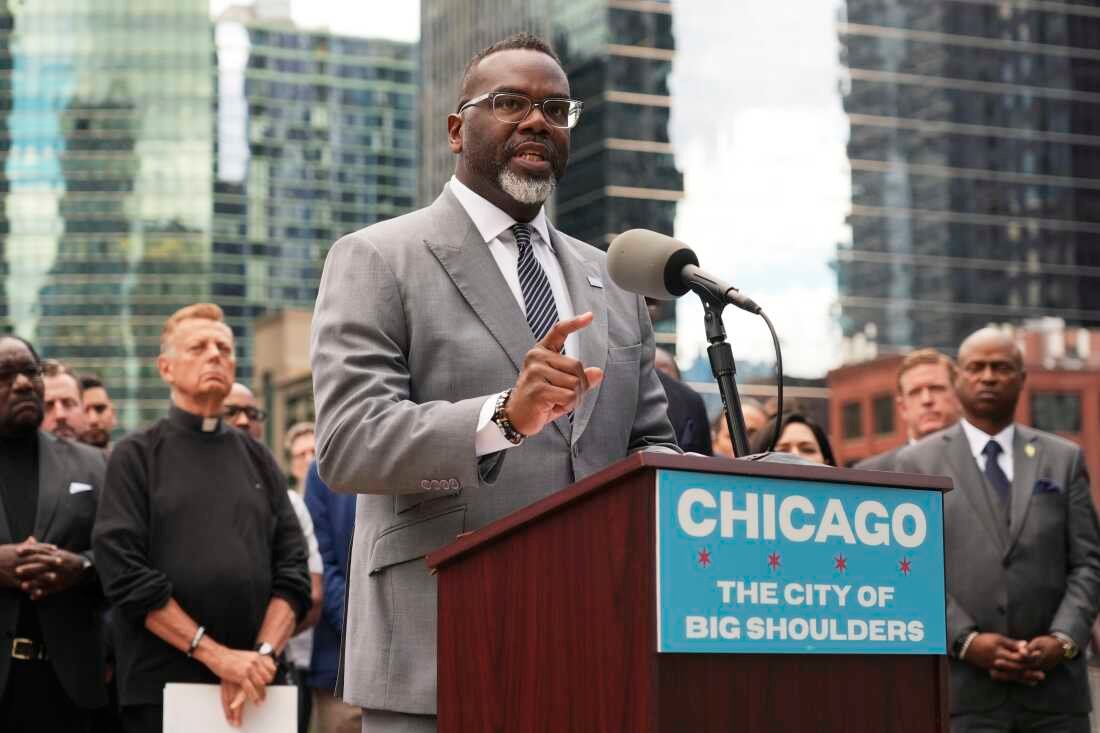
Chicago became a focal point of the national response. As protests escalated following ICE operations in immigrant neighborhoods, the Illinois National Guard was deployed to Chicago to assist local authorities with crowd control and infrastructure protection. The decision drew sharp criticism from city leaders, community organizers, and civil liberties advocates, who viewed the deployment as an unnecessary show of force and a troubling expansion of federal authority into local governance.
Target faced significant backlash from the Black community following perceptions of corporate alignment with the Trump administration and the rollback of diversity, equity, and inclusion initiatives. The criticism sparked widespread consumer boycotts, with many shoppers redirecting spending to competitors such as Costco and intentionally supporting Black-owned businesses. Later in the year, Target announced the layoff of 1,800 corporate employees—approximately eight percent of its global workforce.
Trump also signed an executive order authorizing the public release of long-classified documents related to the assassinations of President John F. Kennedy, Senator Robert F. Kennedy, and Dr. Martin Luther King Jr., reigniting national interest and renewed debate over decades-old historical questions.
Another major policy flashpoint was Project 2025, a conservative policy blueprint that shaped debates around governance, federal authority, and energy policy, including fossil fuel expansion and Arctic drilling. Throughout the year, the initiative played a pivotal role in legislative battles and protest movements.
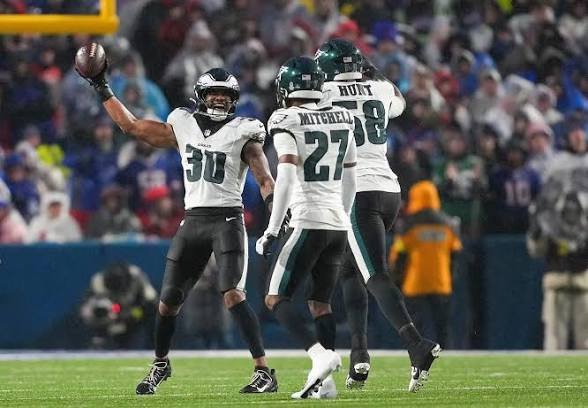
February offered a brief cultural reprieve with the Super Bowl in New Orleans, where the Philadelphia Eagles defeated the Kansas City Chiefs. Political tensions quickly resurfaced, however, as additional Trump-backed legislation led to widespread federal layoffs, disproportionately affecting Black women. Multiple executive orders were challenged and blocked in federal court, triggering prolonged legal battles that extended throughout the year.

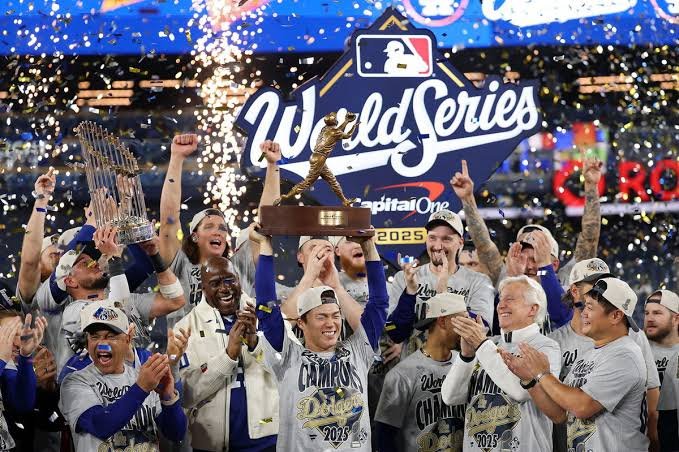
2025 also crowned a new class of champions across professional and collegiate sports. The Oklahoma City Thunder captured their first NBA title, while the Los Angeles Dodgers secured another World Series championship. In women’s basketball, the Las Vegas Aces claimed the WNBA Finals, and the UConn Huskies women’s program added another national title to its storied legacy. On the collegiate football stage, the Ohio State Buckeyes won the College Football Playoff National Championship. The year proved especially dominant for the state of Florida, as the Florida Panthers hoisted the Stanley Cup, the Florida Gators captured the NCAA men’s basketball championship, and Florida State University’s women’s soccer team secured a national title.
Public pressure intensified for the release of the Epstein files, ultimately fracturing Trump’s inner circle. The controversy culminated in Representative Marjorie Taylor Greene publicly breaking ranks with the president, leading to a highly visible political rupture and her resignation from Congress, effective January 5.
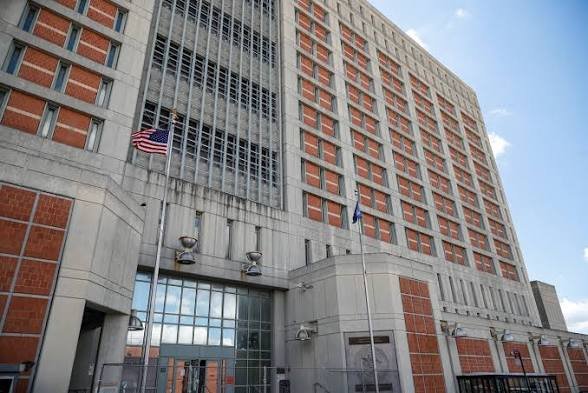

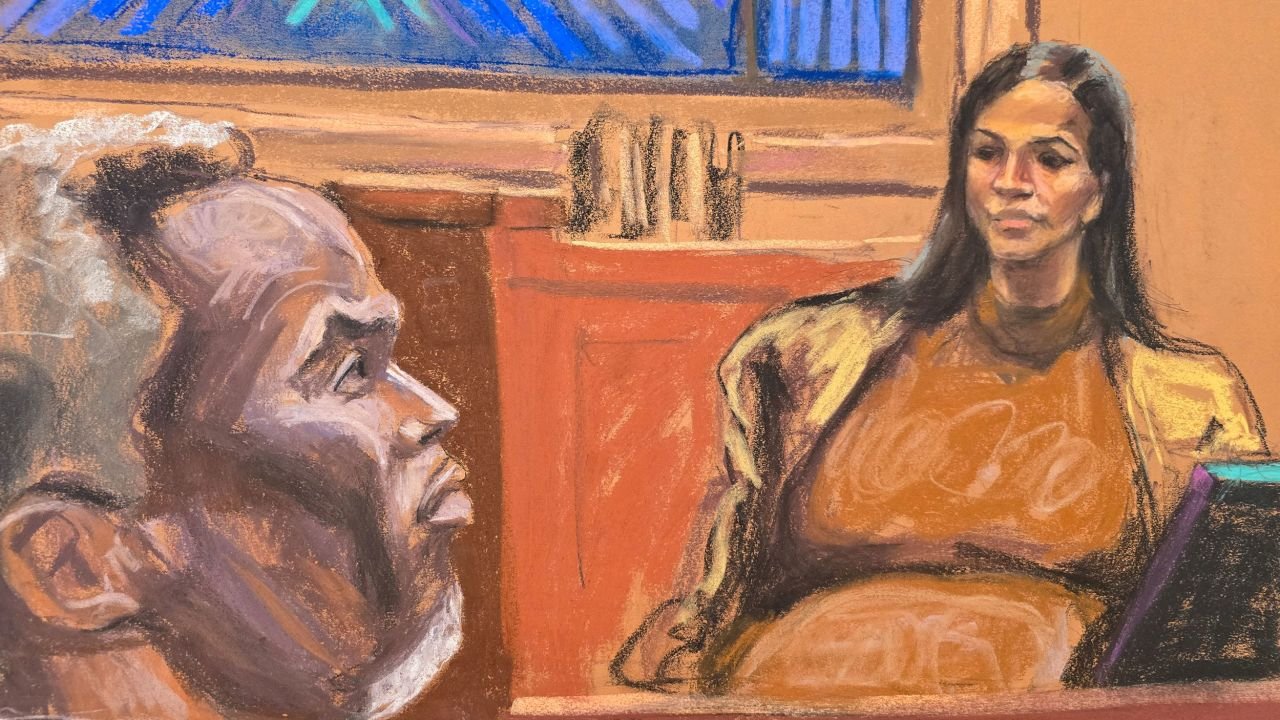
The year also brought major developments in entertainment and public life. Music mogul Sean “Diddy” Combs stood trial on multiple sexual misconduct charges, dominating headlines throughout the summer. In July 2025, Combs was found guilty on two of four counts. He was sentenced in October to 58 months in federal prison and transferred to Fort Dix in New Jersey. Later in the year, a documentary centered on Combs premiered, featuring previously unseen footage and archival interviews, reigniting public scrutiny and debate.
The 67th Annual Grammy Awards were held at Crypto.com Arena in Los Angeles, honoring music released between September 2023 and August 2024. Kendrick Lamar’s “Not Like Us” won Record of the Year, while Beyoncé’s Cowboy Carter earned Album of the Year.
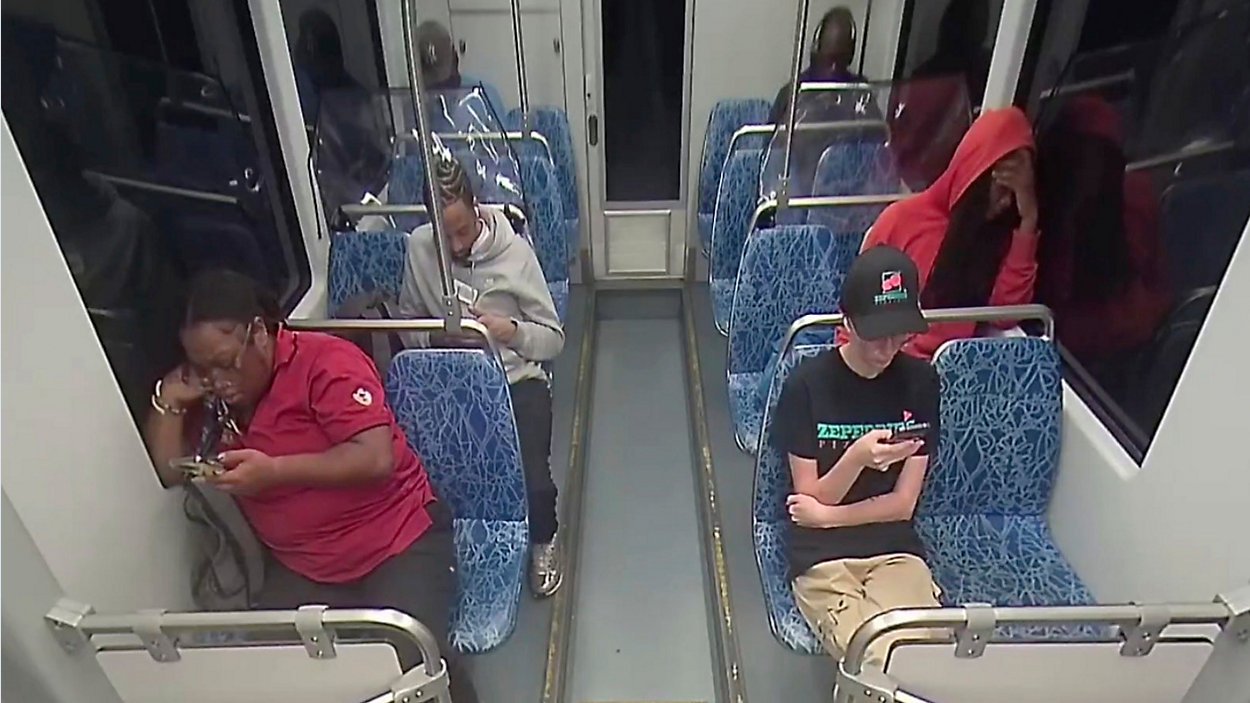
Violence again captured national attention with the killing of Iryna Zarutska at the East/West Boulevard light rail station on Charlotte’s LYNX Blue Line, raising renewed concerns about public transit safety. Separately, the assassination of political commentator Charlie Kirk in Utah Valley sparked intense national debate around political rhetoric, race, and public mourning. While the violence was widely condemned, reactions to Kirk’s legacy remained deeply polarized. Conservative groups later pushed to establish a “Charlie Kirk Day” on October 14.
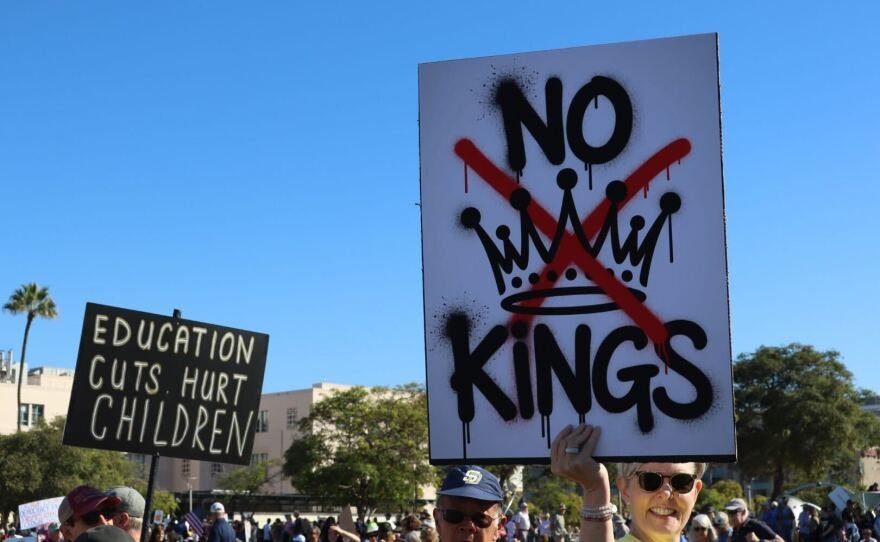
In October, mass “No Kings” protests were held in thousands of locations nationwide, opposing Trump’s policies and actions during his second presidency. During the same period, a Georgia prosecutor officially dropped the racketeering case against Trump and others tied to efforts to overturn the 2020 election.

Media and culture also saw turbulence. Following public backlash, The Walt Disney Company reversed its earlier decision to indefinitely suspend Jimmy Kimmel Live!, announcing the show’s return after significant audience and industry pressure.
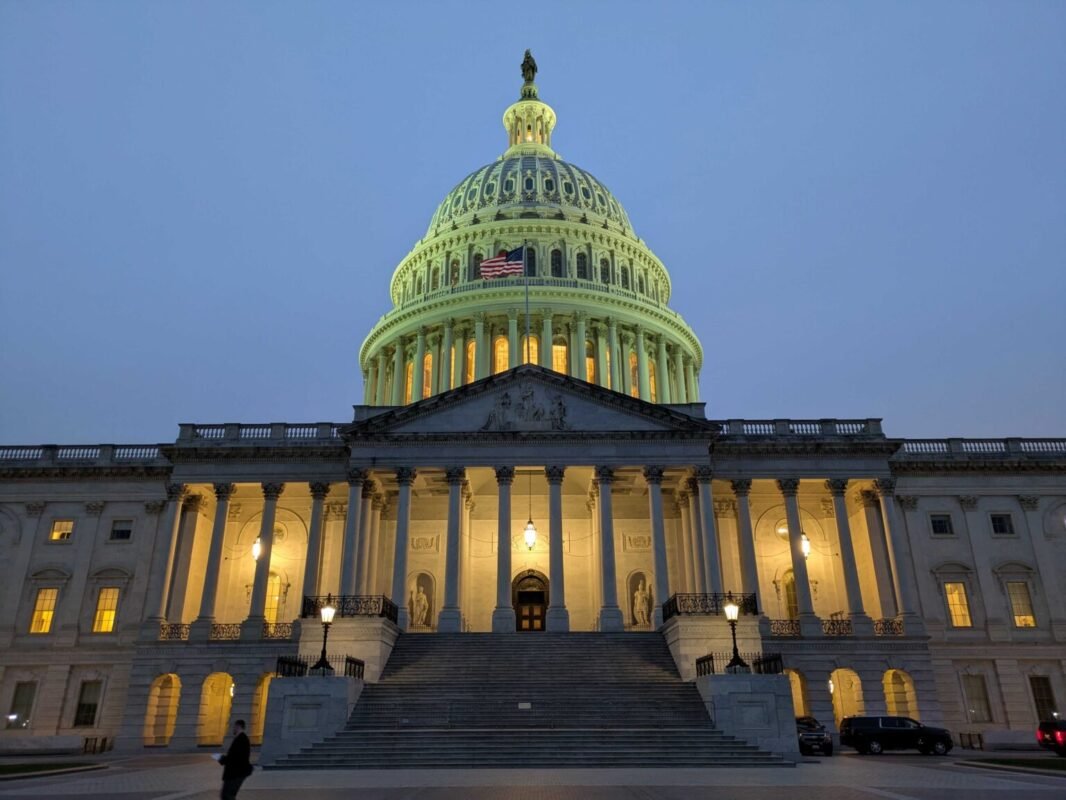
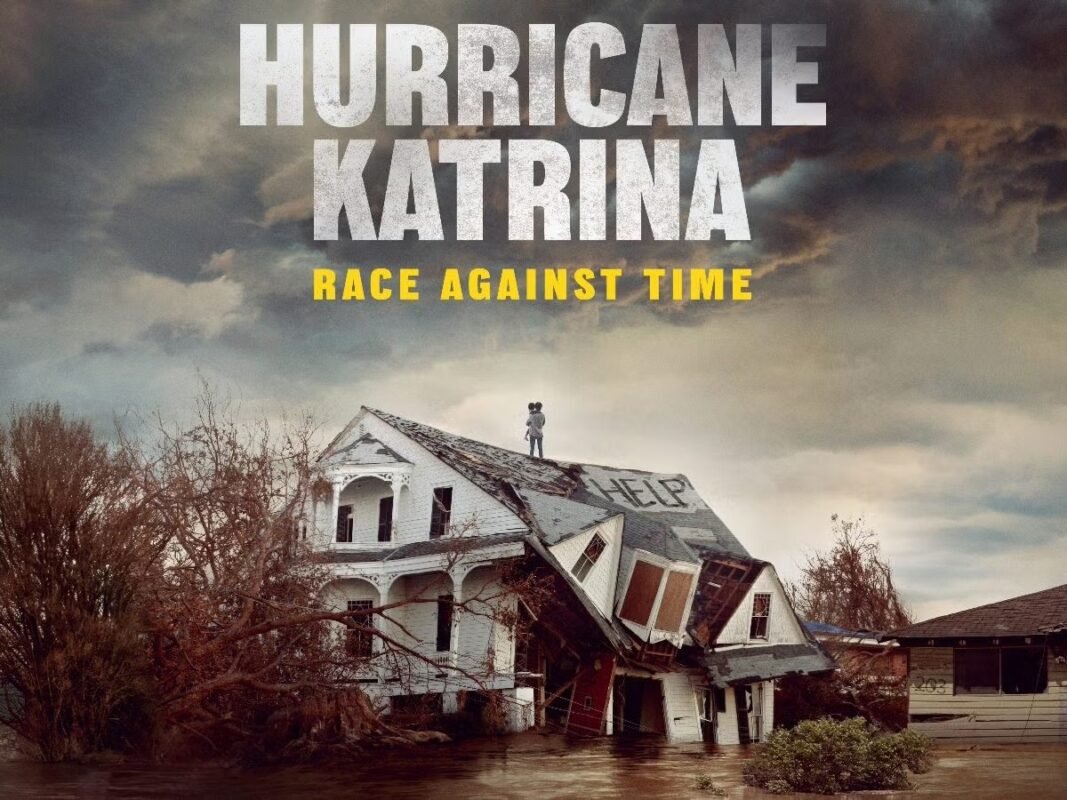
The year concluded amid the longest government shutdown in U.S. history, leaving federal workers without pay and disrupting essential services, including SNAP benefits. Against this backdrop, milestone anniversaries for YouTube and Microsoft were celebrated, highlighting their enduring impact on technology and global communication. A Hulu documentary commemorated the 20th anniversary of Hurricane Katrina, offering reflection on the storm’s lasting social and political consequences.
Taken together, 2025 stood as a year of consequence—defined by loss, accountability, protest, state power, and profound questions about leadership, justice, and the nation’s future.