

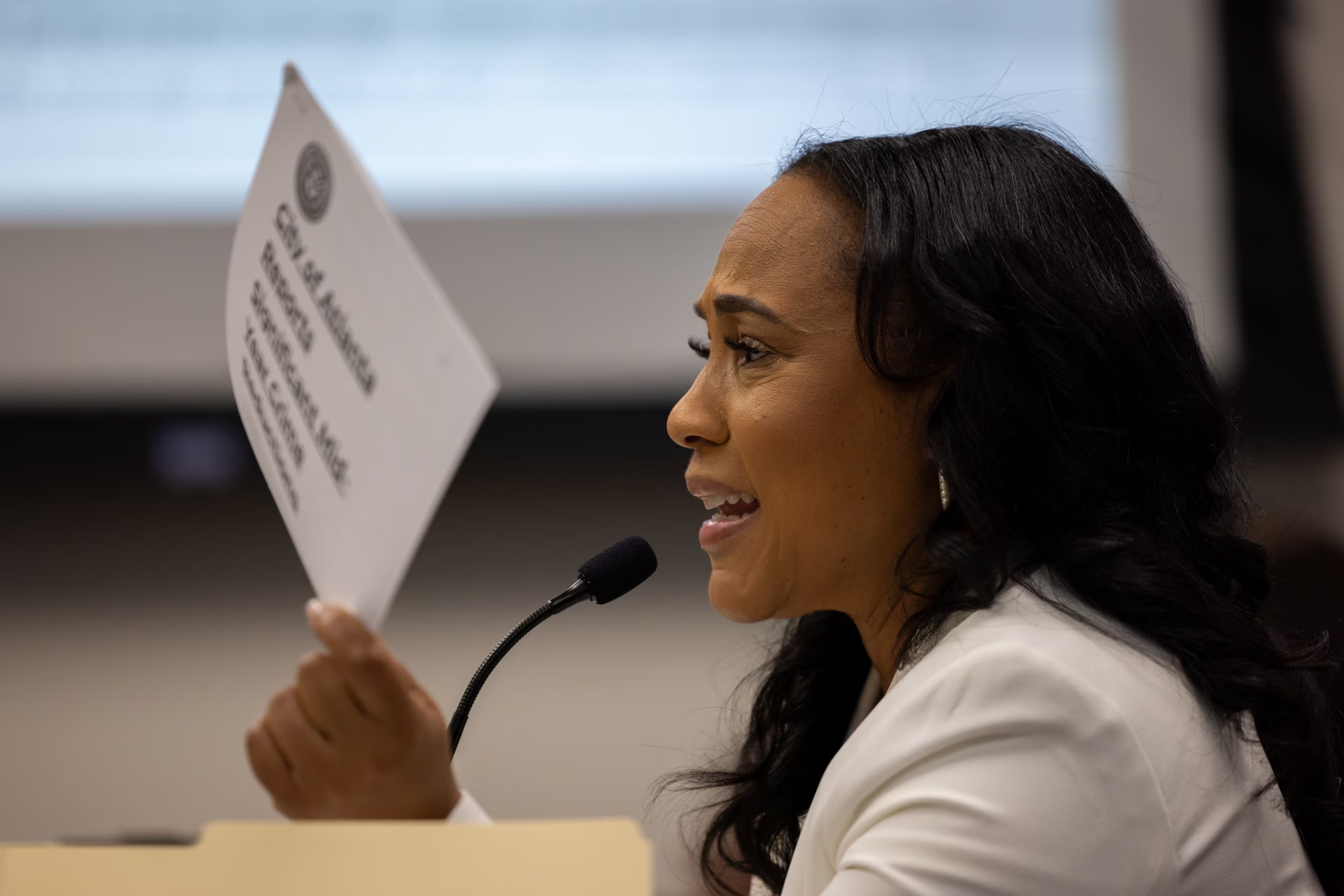
“What I care about is getting gangsters off my streets. What I care about is getting people that sexually assault children. I don’t hang out with human traffickers or the victims. I care about representing people that are trafficked. Like we’ve got problems here in Georgia. They’re real problems! This [Atlanta] is a major metropolitan city, and I’m standing on the line here trying to keep people safe.”
“And y’all have me in here with this foolishness. I indicted him, and I’ll indict him again if they commit a crime in my jurisdiction. I don’t care if you like it. It’s not 1948,” Fulton County District Attorney (DA) Fani Willis expressed during a December 17th hearing with the state’s GOP-led Senate special committee.
Willis spoke before the panel in a contentious hearing, vigorously defending her role in prosecuting President Donald Trump and 18 of his allies in a racketeering indictment over their alleged efforts to overturn the 2020 election results in Georgia.
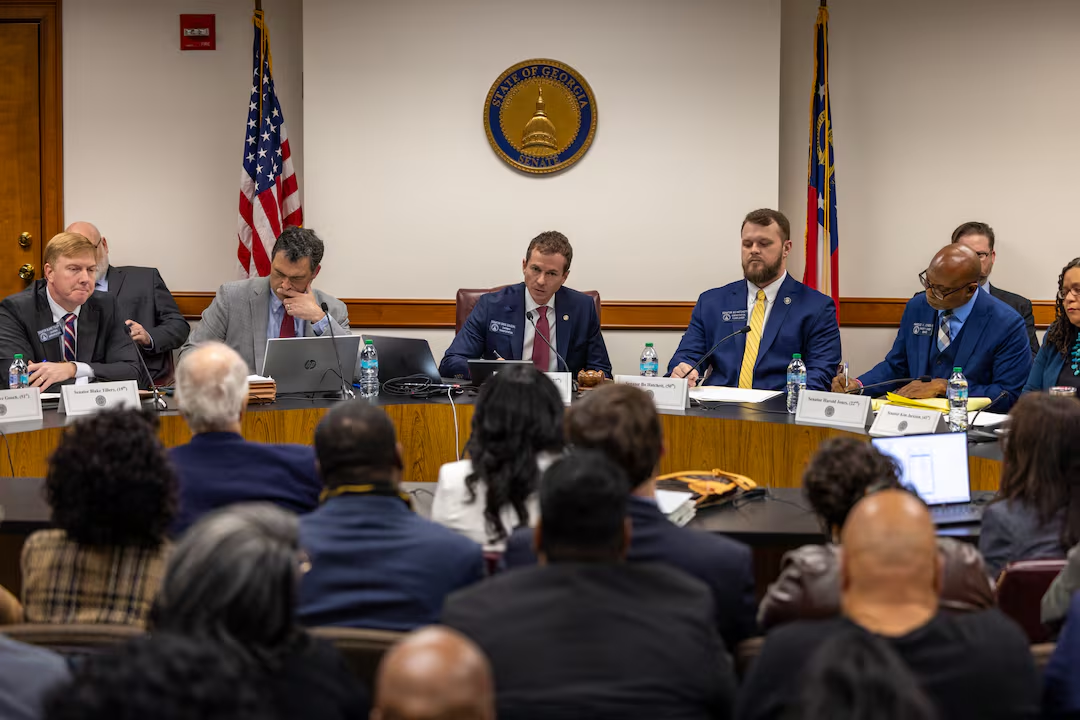
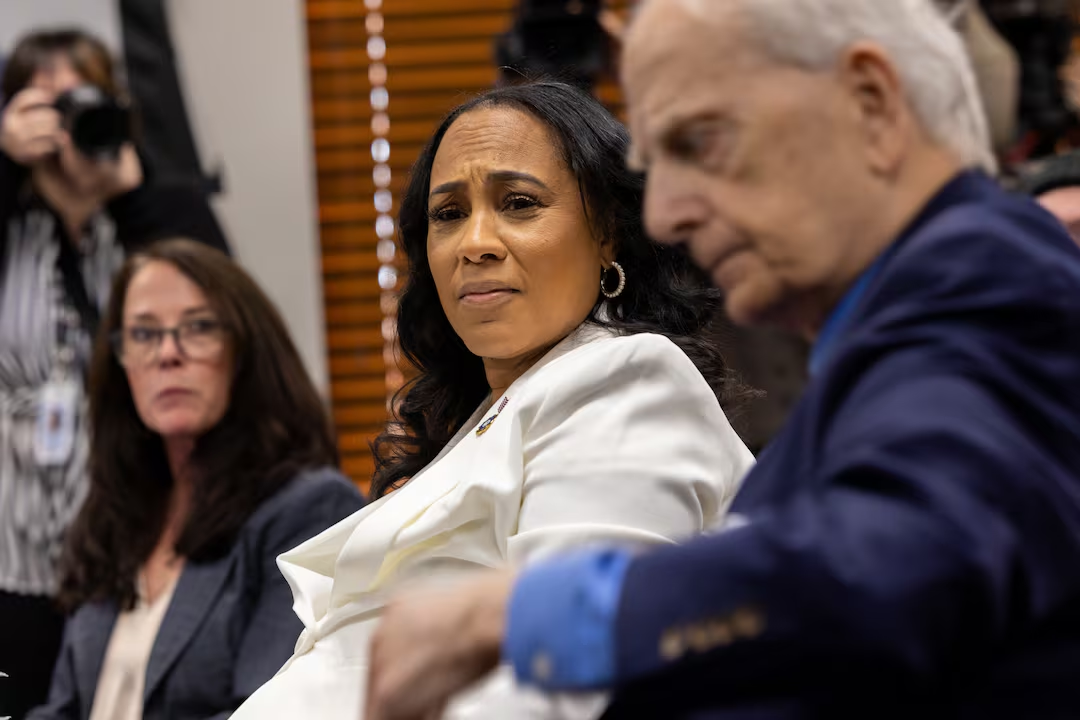
L–R: Fulton County District Attorney Fani Willis testifies before the state of Georgia Senate Special Committee during a December 17 hearing as they examine her actions in the election interference case against Donald Trump and 18 others; Willis sits beside her attorney, former Georgia Governor Roy Barnes, as she waits to testify before a state Senate committee at the Georgia State Capitol. Photo credit: Atlanta Journal-Constitution / Arvin Temkar
The elected DA condemned the investigation as a politically motivated “witch hunt,” arguing that it was not a legitimate legal review but an attack on her commitment to justice. She rejected claims of misconduct and framed the investigation as an effort to punish her for doing her job. She even accused panel member Greg Dolezal (Georgia State Senator – 27th District) of using the hearing against her as political leverage for his run for the state’s Lt. Governor. Her legal counsel, former Georgia Governor Roy Barnes, also described the panel’s inquiry as a politically driven attack and argued that it undermined the integrity of the legal process.
Background: The Trump Prosecution and Unraveling Controversy
In August 2023, Willis announced charges against Trump and his associates, accusing them of engaging in a criminal enterprise aimed at subverting Georgia’s election process. The case was heralded as a powerful application of the state’s anti-racketeering law and drew national attention. However, by early 2024, the case began to falter when defense attorneys revealed that Willis had been in a romantic relationship with Nathan Wade, the special prosecutor she hired to lead the Georgia RICO case. The disclosure raised questions about a potential conflict of interest, with Trump’s legal team arguing that it compromised the case’s integrity and demanding Willis’ removal.
In March 2024, Judge Scott McAfee ruled that either Willis or Wade would have to step aside to avoid the appearance of impropriety. Wade resigned, but the controversy did not end there. In December 2024, the Georgia Court of Appeals disqualified Willis from the case altogether, citing unresolved concerns about the appearance of bias, at the appeal request of Trump’s legal team. By September 2025, the Georgia Supreme Court had refused to review the decision, solidifying her removal from the case. The case was dismissed on November 26th by Prosecuting Attorneys’ Council of Georgia member Peter Skandalakis, who made himself prosecutor in the case after he said he couldn’t find another attorney willing to take the case from Willis, according to ABC News.
The Aftermath: The Senate Investigation
In the wake of Willis’ removal, Republican state senators launched an investigation into her conduct, including the nature of her relationship with Wade and other potential ethical concerns. Though the committee has no direct power to impose sanctions, it can recommend legislative or legal changes.
Willis’ Defense and Key Statements
Over the course of the nearly four-hour testimony, Willis repeatedly emphasized that her actions were driven by her legal duty and a desire to protect her community, not by political agendas. Among her key statements include:
“People came into my community and committed a crime, and I indicted him. And rest assured, if someone else comes into my community and commits a crime, I will indict them again.”
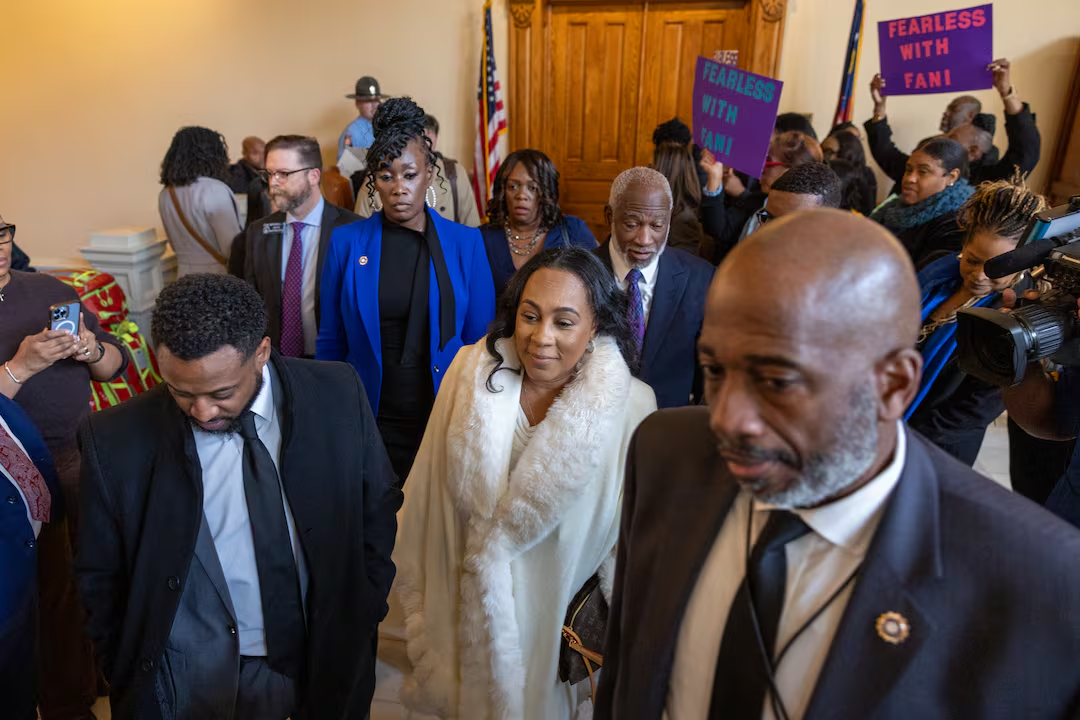
Willis also challenged the committee to investigate the harassment she has endured, including racial slurs: “You want something to investigate… They’ve called me the N-word many times. Why don’t you investigate that?”
She even mentioned the need for laws to protect public servants who are doing their jobs, specifically citing Georgia Representative Marjorie Taylor Greene, who has received threats after speaking out against Trump in relation to the release of the Epstein files.
“What happened to Marjorie Taylor Greene, It’s horrible that she had to quit her job because there were bomb threats to her house and threatening her children, but she didn’t care when it was me. She didn’t care when my children were threatened. She didn’t care that I haven’t had the ability to live in my house, but I’m a better human being than that,” she stated.
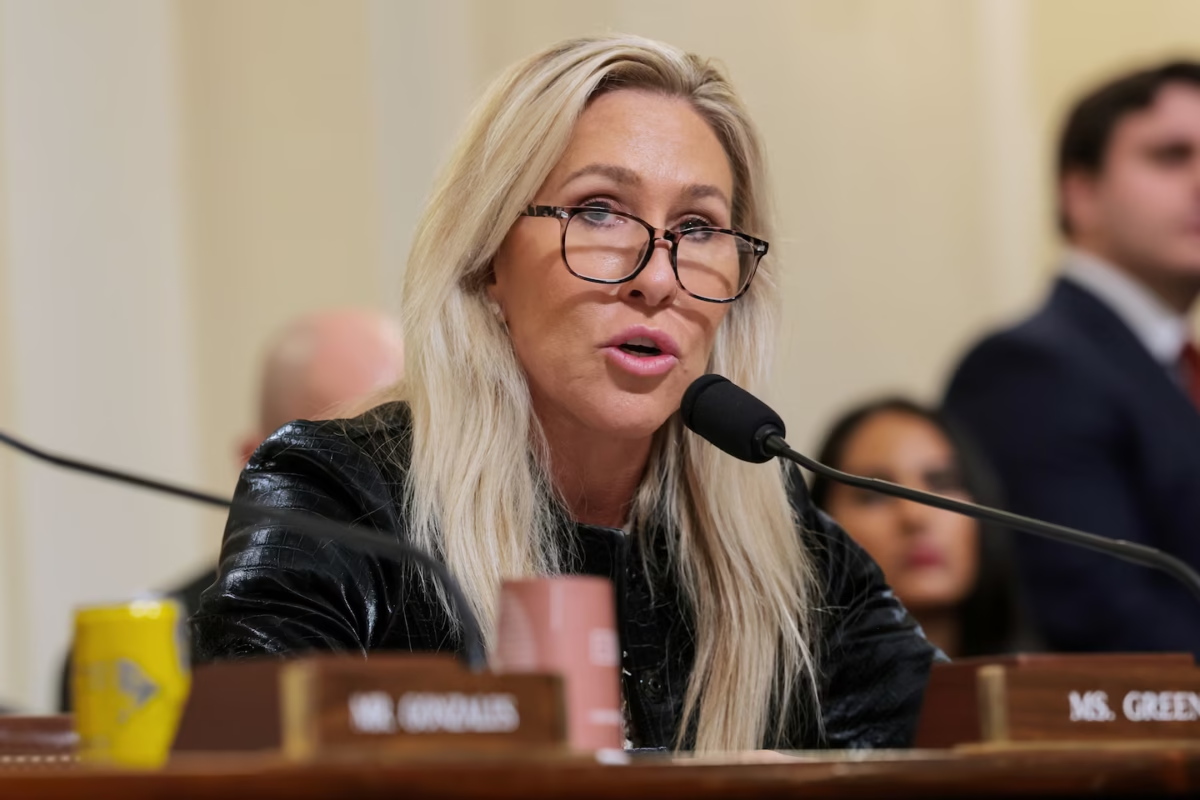
“I don’t want any of your lives threatened. I may not care for you personally. I may not believe in your politics. I may think that today is nothing, but more than evil and you trying to get yourself elected. All of that being said. I don’t think anyone should threaten you and your family, and I think if you’re here to protect, you ought to establish laws that if someone uses hate speech and that creates an environment where people like myself are threatened doing their job, we ought to do something about it in Georgia.”
Political Retaliation or Legitimate Oversight?
The dispute over Willis’ conduct has polarized two dominant interpretations: either she is being targeted for prosecuting Donald Trump, or the scrutiny represents legitimate ethical oversight stemming from her relationship with Wade.
One argument holds that Georgia GOP leaders are weaponizing ethics rules to punish Willis for pursuing a high-profile Republican. From this perspective, the focus on her personal life distracts from the legal merits to prosecute Trump for allegedly interfering with the 2020 election. Supporters contend that if Willis wasn’t prosecuting Trump, her relationship with Wade might not have attracted a publicized level of scrutiny. Additionally, the committee’s partisan composition, whose members may have political ties or ambitions aligned with Trump, fuels suspicions that the investigation is driven by political retaliation rather than genuine concern. Many may therefore view Willis as a defender of justice, unfairly besieged for her refusal to back down.
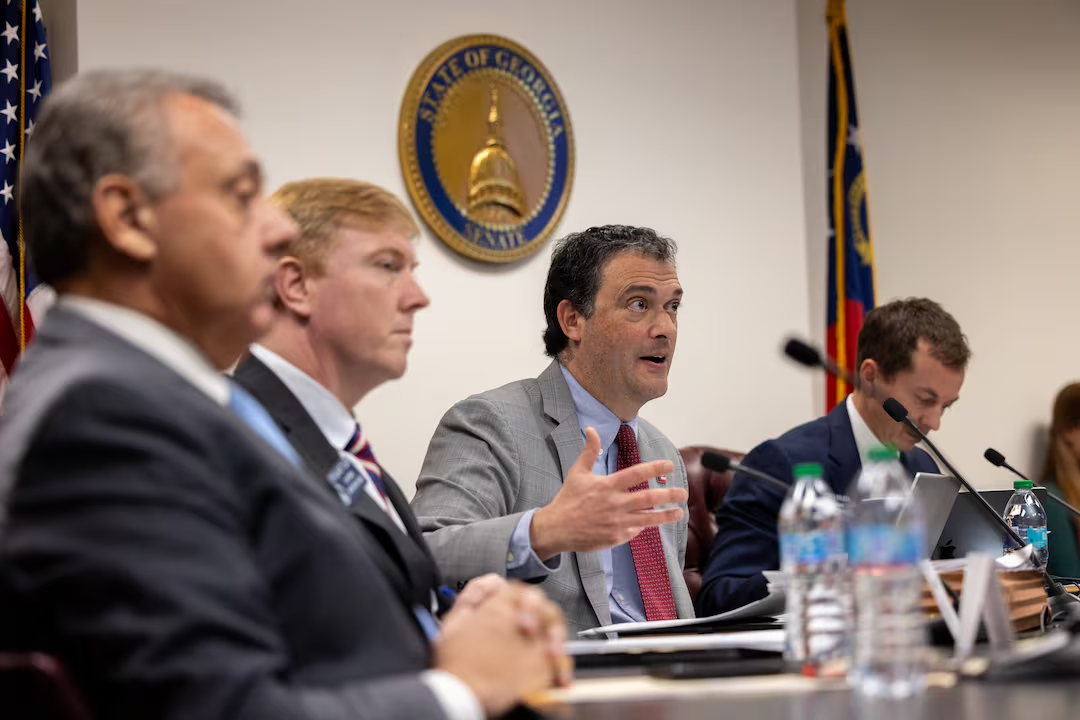
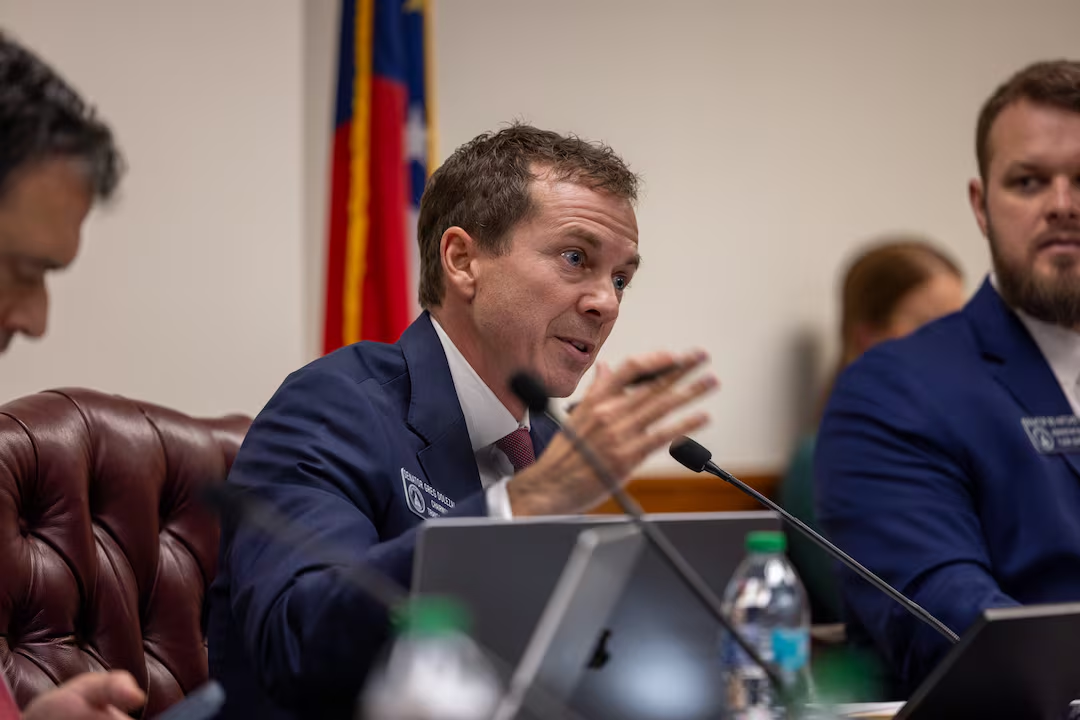
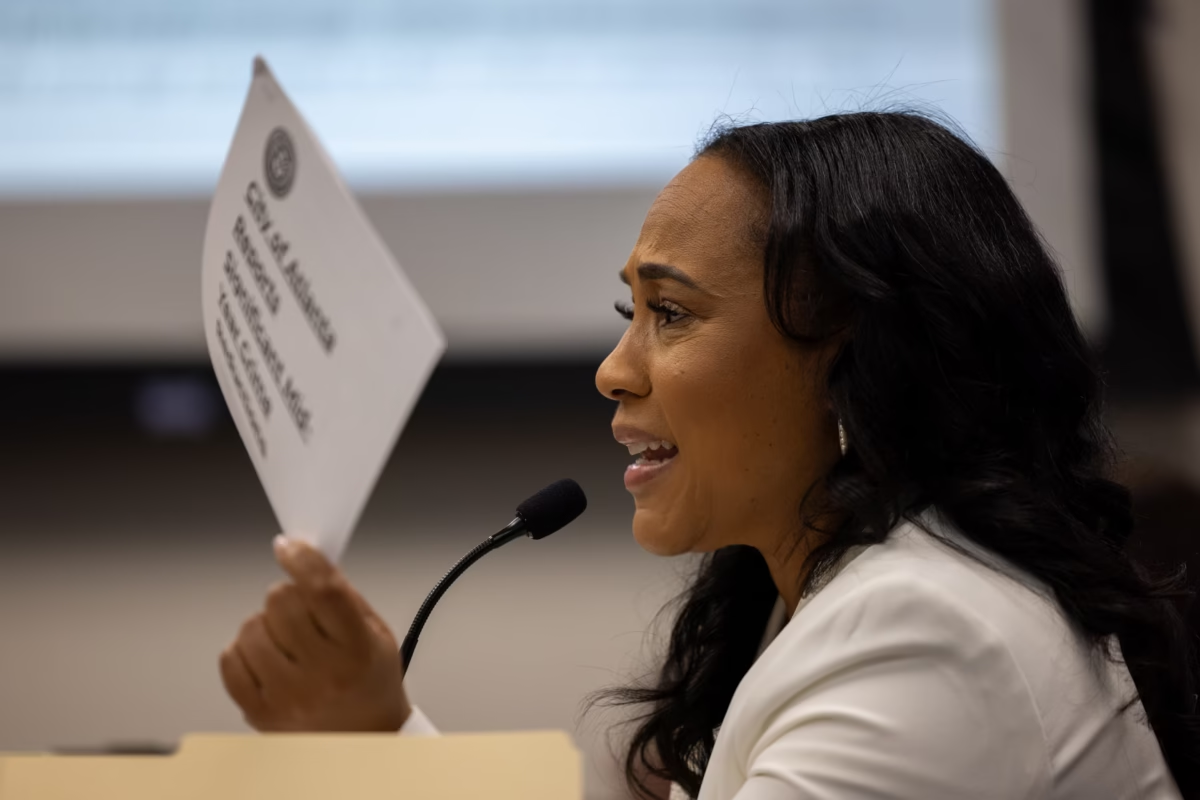
L–R: Committee attorney Josh Belinfante speaks with Fulton County District Attorney Fani Willis; State Sen/Lt Governor Candidate, Greg Dolezal questions Willis; and Willis testifies before a state Senate committee at the Georgia State Capitol in Atlanta on Dec. 17, 2025. Photo credit: Atlanta Journal-Constitution / Arvin Temkar
Critics, however, argue that the situation raises serious ethical concerns, emphasizing that in high-stakes prosecutions, “apparent fairness” is just as important as actual fairness. Although the romantic relationship did not establish any proven financial conflict, it created an appearance of impropriety that defense attorneys were able to exploit. Critics contend that Willis’ insistence that the relationship involved no wrongdoing reflected a lapse in judgment that ultimately weakened a case many initially viewed as legally strong. As a result, they argue, the controversy undermined public confidence and damaged the credibility of the prosecution itself.
What Do This Means Going Forward?
The dismissal of the Georgia election interference case against Donald Trump, along with the subsequent GOP hearing, illustrates the vulnerability of prosecutorial independence when confronted with sustained political opposition.
Wednesday’s hearing raised many questions about fairness, accountability, ethical standards, and political opposition. The hearing also sparks a debate on whether a prosecutor’s personal conduct should influence the pursuit of justice, and whether this scrutiny can extend to politically motivated investigations meant to shield those accused of wrongdoing.
Whether Fani Willis is ultimately regarded as a determined prosecutor pursuing justice or as a public official whose personal relationship with her special prosecutor contributed to the unraveling of a historic case, the matter is likely to remain the subject of continued analysis and debate for years to come.