

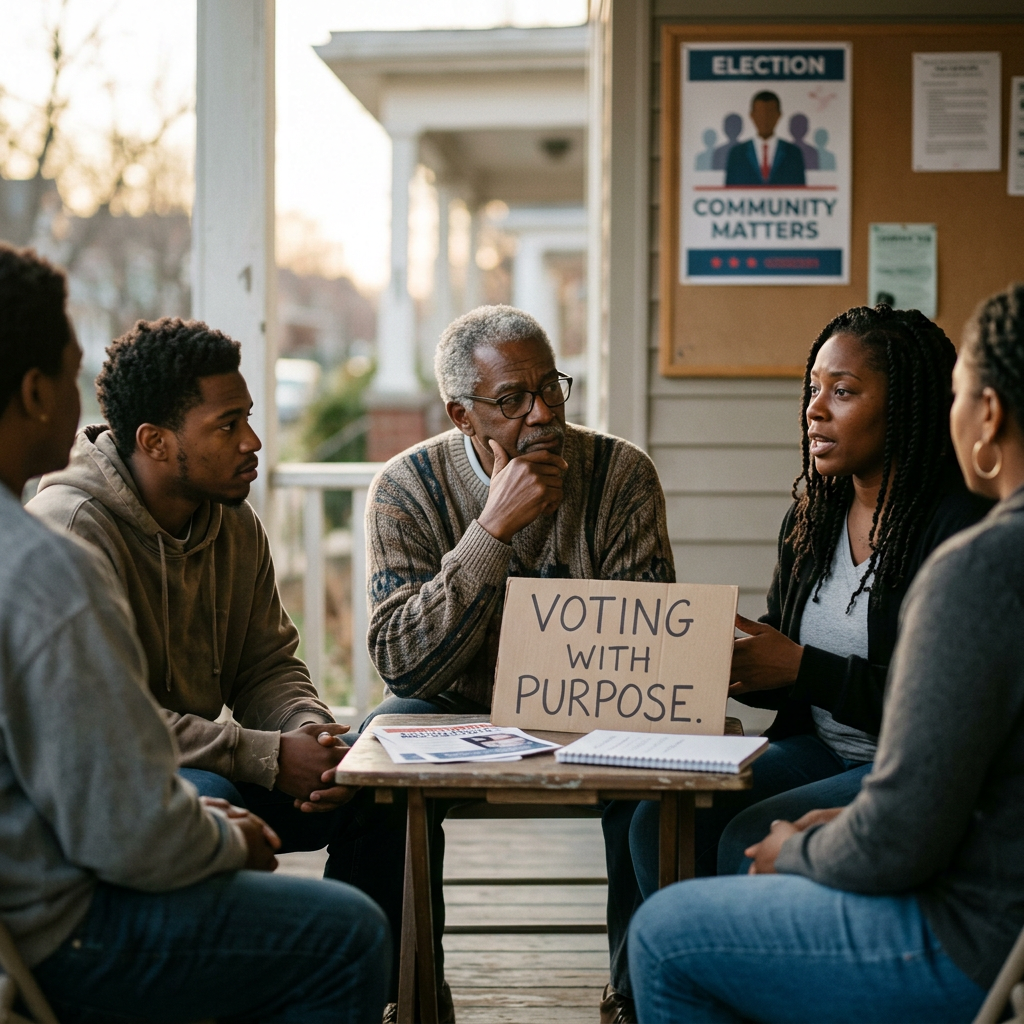
Politicians have increasingly developed a bad reputation for not having a genuine interest in serving their communities and prioritizing the public’s well-being. This has left many questioning the purpose of voting, believing that politicians only show up during election season, particularly in low-income neighborhoods and for photo opportunities to create a perception to its audiences for votes. It also raises questions about whether elected officials truly have the public’s best interests at heart.
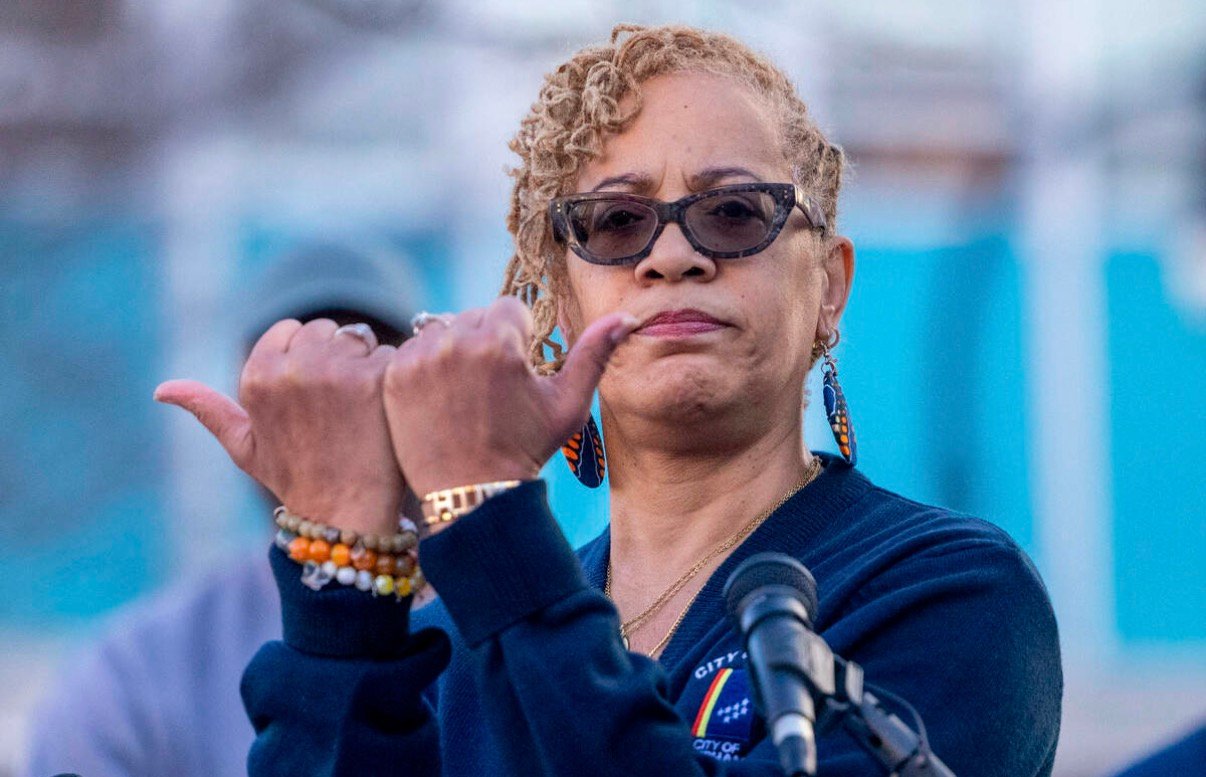
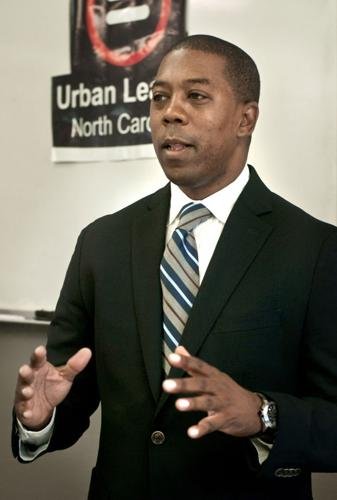
However, in past interviews, politicians who genuinely desire to serve their communities, have shared how they served others in some capacity before entering politics. Examples include former Durham, NC Mayor Elaine O’Neal and former City Councilman and Mayor Pro Tem of Charlotte, NC, Braxton Winston II. Neither initially envisioned themselves in political office, but both pursued public service because of their genuine love for their communities and their desire to make a difference.
Winston II became a prominent figure during the 2016 Keith Lamont Scott protests following the fatal police shooting of Scott, a Black man who was killed by Charlotte police while waiting outside his apartment complex for his child’s school bus to arrive. On September 20, 2016, Winston was coaching a middle school football game to watch his son when he learned about Scott’s death through a group chat from his college alma mater, Davidson College, that he was a part of, according to a 2023 article written by the author, titled “Model Citizen—‘Be a Voice, Not an Echo’—Winston’s Political Journey,” in Greater Diversity News. He went to the scene of the incident after hearing Scott’s daughter yelling, “That’s my daddy’s car! Why y’all kill him?” That moment made him reflect on what it would be like if his daughter were pleading for help, and he stood in solidarity with those protesting the killing.

O’Neal, on the other hand, initially wanted to pursue a career in engineering after graduating from NC Central with a bachelor’s degree in mathematics, but she felt called to do something more for her community. The longtime Durhamite experienced the Bull City all around her through her upbringing, education, life challenges, family love, and career. Having grown up in Durham’s West End, she had firsthand experience with the challenges facing low-income neighborhoods. As she advanced in her career, her connection to the community, life experiences that hit close to home, and desire to improve the lives of its residents helped shape her path into public service. In a November 2023 article titled “Durham’s Mayor Servitude to the City of Durham,” she told the author that servitude is a natural part of what she has been trained and called to do throughout her life.
These individuals exemplify what it means to serve before entering politics. They may not have recognized it at the time, but a series of experiences and defining moments redirected their paths toward what they saw as a greater calling: serving others.
At the heart of public service is a genuine commitment to helping people. However, having a heart for service is only part of what makes an effective leader. Leadership also requires sound judgment, informed decision-making, accountability, and a willingness to understand the people being served. Leaders must be relatable and willing to engage with communities, not just during election season when they need votes, but throughout their time in office.
This is particularly important when considering the conduct of the nation’s highest elected officials. President Donald Trump’s public insults directed at political opponents and other individuals have drawn criticism and raised questions about the standards of conduct expected of a president. Regardless of political affiliation, a leader’s words and behavior can influence public discourse, contribute to division, and shape how the office is perceived.
Holding public office carries a responsibility to demonstrate decorum, professionalism, and respect, even when disagreements arise. A genuine desire to serve must be reflected in a leader’s policies, actions, integrity, communication, and treatment of others.
When these qualities appear to be missing, an important question arises: Are some politicians pursuing office for power or purpose?
When choosing political leaders, voters must look beyond campaign promises, biases, and ask whether candidates genuinely want to serve the people.
Public office should be about serving communities, protecting the public’s interests, and creating meaningful change. Leaders should prioritize policies that strengthen the economy, improve healthcare, expand workforce opportunities, support education, protect the environment, and help American families thrive.
Political decisions can have far-reaching consequences for everyday Americans. President Donald Trump’s policy agenda, including Project 2025 and the One Big Beautiful Bill Act, has sparked debate about the future of federal programs and their impact on healthcare, food assistance, education, and other essential services.
The One Big Beautiful Bill Act, which was signed into law on July 4, 2025, includes changes to Medicaid and the Supplemental Nutrition Assistance Program (SNAP), raising concerns about how changes to eligibility requirements and federal funding could affect low-income families and other vulnerable populations. Meanwhile, Project 2025 outlines a broader policy agenda for reshaping the federal government and its priorities.
These developments highlight the importance of understanding the policies candidates support and how those policies may affect the people they represent.
Voting should not be based solely on political loyalty, personality, or party affiliation. Instead, voters should examine candidates’ records, leadership qualities, priorities, positive mission, and willingness to be held accountable for their decisions. A statement Keith Granberry, Founder of Helping Hands Consultants and president of B&G Creative Strategies, emphasized while speaking with The Exclusive Press about holding politicians accountable.
Sometimes, a simple conversation with a candidate can provide an opportunity to ask important questions about the issues that matter most to you. Voters should be willing to engage directly with elected officials and candidates, particularly when those individuals are seeking their support Grandberry shared. Asking what they can do to address the issues affecting your community is an important part of the democratic process.

Whether a candidate is a Democrat or a Republican, a genuine commitment to public service should be fundamental to their leadership. Voters should consider whether candidates promote unity, demonstrate sound judgment, communicate respectfully, and recognize the needs of Americans from all walks of life.
Ultimately, leadership should be measured by purpose, not power. The responsibility of voters extends beyond choosing a candidate; it requires paying attention to the decisions, conduct, and policies that follow an election.
Before casting your ballot, ask yourself: Does this candidate genuinely want to serve the people, and do they possess the character, skills, and accountability necessary to lead? Or are they more concerned with obtaining and maintaining power?
The answers to these questions can help voters make informed decisions about the future of their communities and the country.