

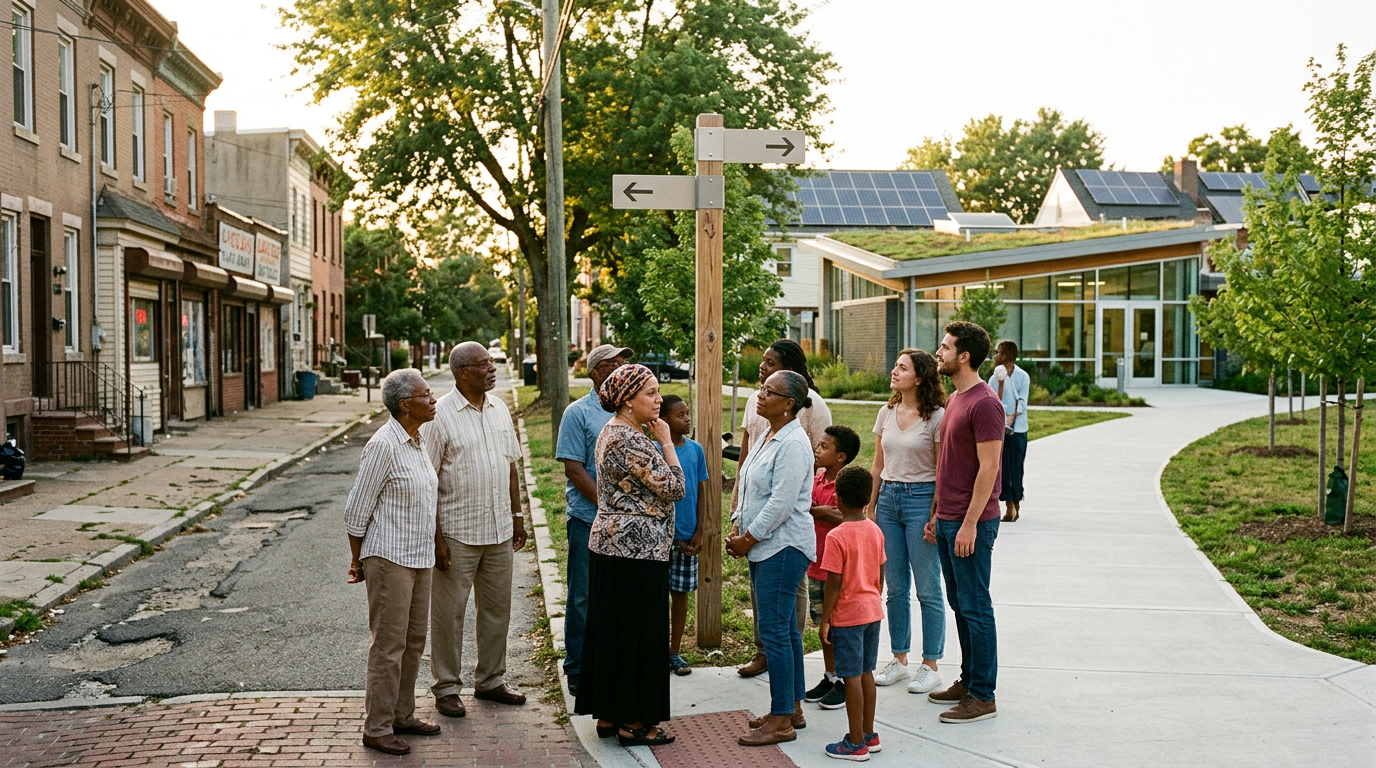
One of the biggest obstacles to progress is an unwillingness to consider change. In some communities, voters become so accustomed to familiar leadership that they continue choosing the same individuals, even when new candidates offer different perspectives and ideas.
I can use my hometown of Raeford, North Carolina, a small town, located in the greater Fayetteville metro population, as an example. Mayor John K. McNeill III has served as mayor since 2004, giving him more than two decades in office. While his tenure alone doesn’t determine whether his leadership has been effective, it raises a broader question about how familiarity influences voting decisions.
Are people choosing candidates because they believe those individuals are the best fit for their communities, or does familiarity sometimes make it difficult to envision someone else in the position?
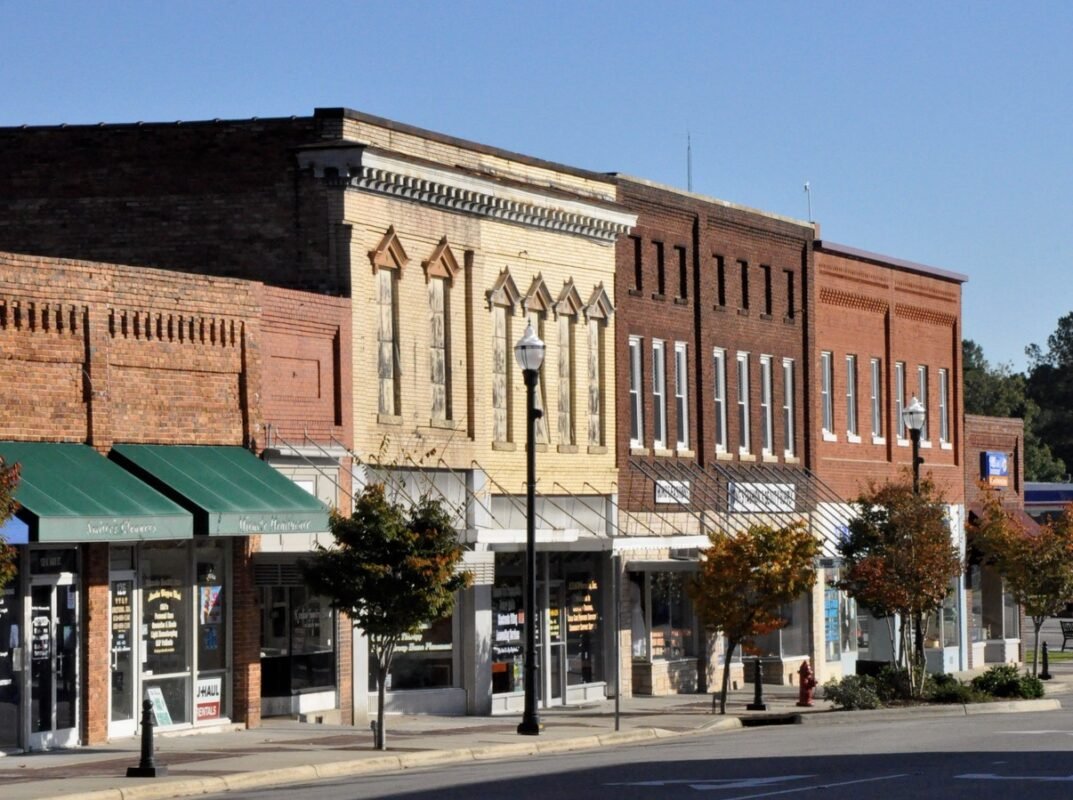
When Familiarity Becomes a Barrier to Change
Voting based on familiarity can be particularly noticeable in small communities. However, voters in larger cities can also develop a sense of comfort with established leadership. They know the candidate, recognize the name and understand what to expect. Meanwhile, a new candidate may have fresh ideas and a different approach but struggle to gain support simply because they aren’t the familiar choice.
Of course, experience and a proven record matter. Long-serving leaders can make meaningful contributions to their communities. However, voters should periodically evaluate whether their elected officials are meeting current needs and helping shape a positive future for the communities they serve, rather than allowing tradition alone to determine their decisions.
Examples of Why Change Matters
History offers examples of communities choosing new leadership when residents believe a different direction is needed.
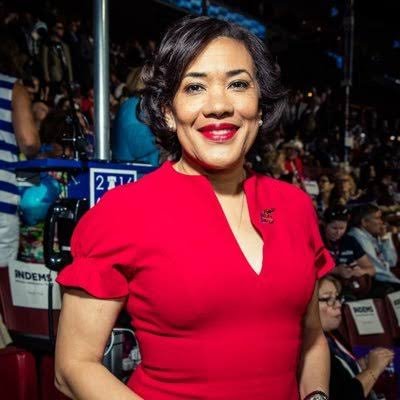
In Flint, Michigan, voters elected Karen Weaver (2015-2019) as mayor in 2015, defeating incumbent Dayne Walling, who had served six years prior to her lost. The election came amid a public health crisis involving lead-contaminated drinking water that had severely damaged public trust in government, Michigan Public reports. Weaver campaigned on the city’s water problems, and her victory illustrated how concerns about leadership and accountability can influence voters to choose a different candidate, as reported by the Michigan based outlet.
Similarly, in 2023, voters in Butner, Carrboro and Henderson, North Carolina, elected the first Black women mayors in their respective communities. Their historic victories demonstrated that communities can embrace new representation and open the door to leadership that breaks with established political traditions.
These examples don’t mean that new leadership automatically guarantees better results. Rather, they demonstrate why voters should remain open to evaluating candidates based on their qualifications, ideas, accountability and ability to address community needs.
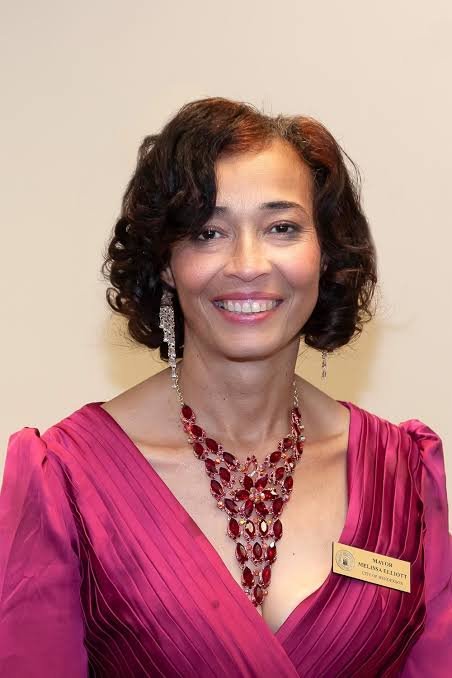
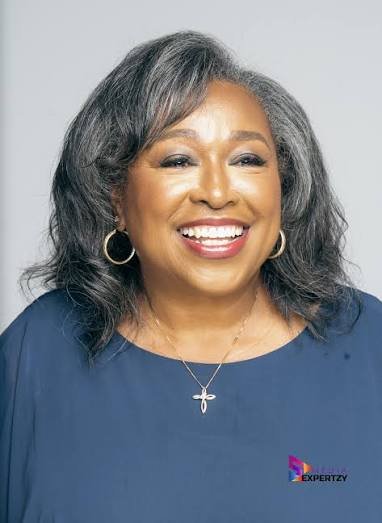
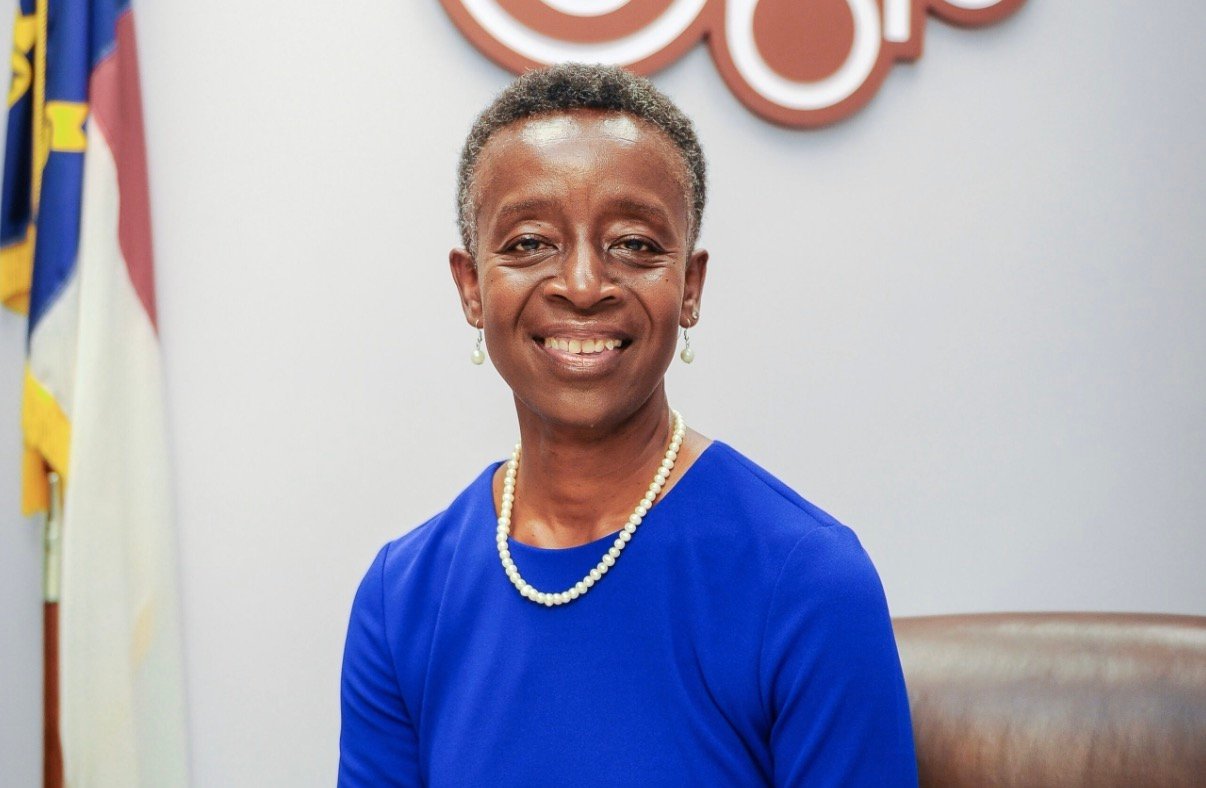
L–R: Melissa Elliott (Henderson, NC), Dr. Linda R. Jordan (Butner, NC), and Barbara Foushee (Carrboro, NC), all currently serving as mayors of their respective towns. Courtesy of Saint Augustine’s College, Che Brown Jr., and Trevor Holman Photography
Sometimes, a less familiar candidate may offer a perspective that deserves serious consideration. The key is to evaluate the individual and their platform rather than dismissing an alternative simply because the candidate doesn’t fit traditional expectations.
The Historic Push for the First Female President
The 2024 presidential election offers another perspective on how voters navigate change. Kamala Harris sought to become the first woman president of the United States after Hillary Clinton’s 2016 attempt, but lost to Donald Trump.
Her candidacy brought renewed attention to gender, representation and the country’s willingness to elect a woman to its highest office. Research published an article titled, “Do Voters Support a Female President? Evidence from a List Experiment,” in the American Politics Research journal that was published on site on August 14, 2025, examined the relationship between support for electing a woman president and voters’ willingness to support a woman candidate at the highest level of public office.
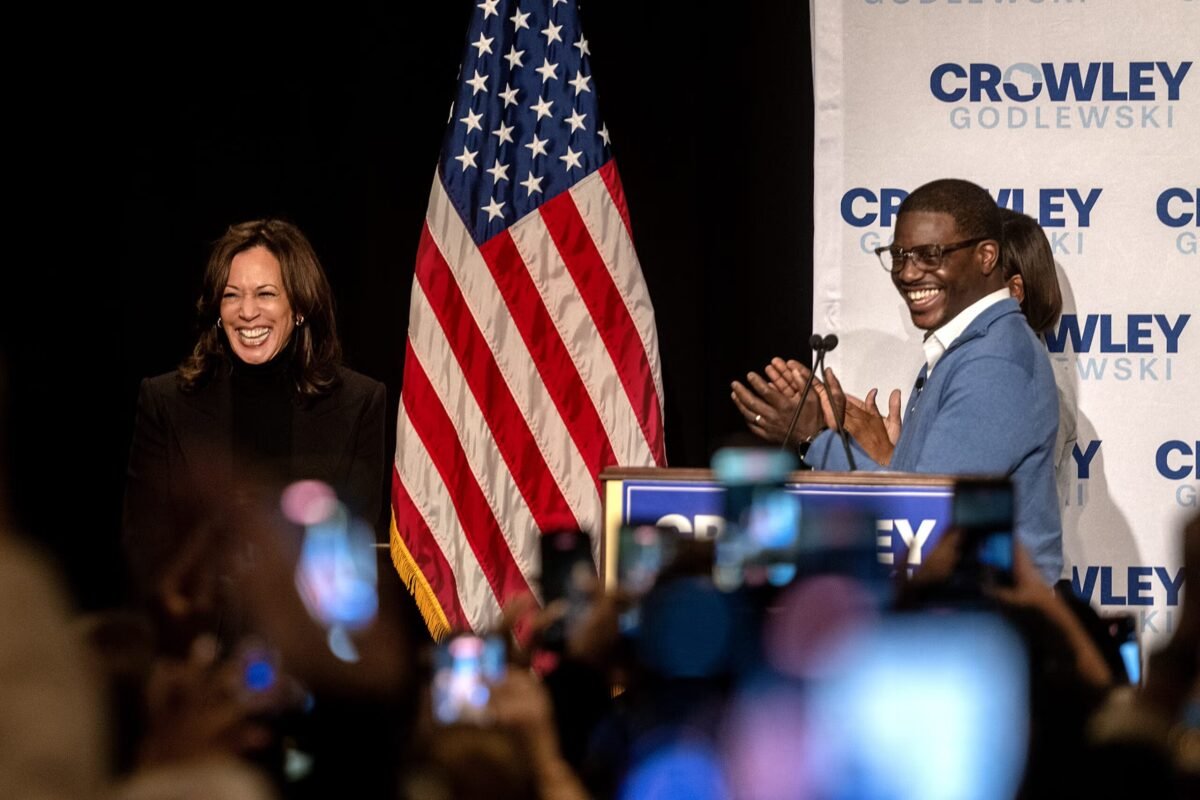
More recently, actress and television personality Raven-Symoné addressed this issue during her October 16, 2026, appearance as a guest host on The View. When the panel discussed the possibility of a Black woman becoming president in 2028, Raven-Symoné expressed doubt, responding, “Not in America.”
She also argued that the United States is not as progressive as many people believe when it comes to women in positions of power. Her comments raise an important question:
Can people support change in principle but hesitate when that change challenges traditional expectations about leadership?
Harris’s defeat does not fully establish that voters rejected her primarily because she’s a woman. Presidential elections involves other numerous factors, including policy positions, party affiliation, the economy and candidates’ records. However, her candidacy provides an opportunity to examine how long-standing expectations about leadership may influence perceptions of who’s qualified to hold positions of power. Sometimes, what feels unfamiliar challenges our traditional make-up about leadership.
Are We Voting for What’s Best or What’s Familiar?
Whether we’re discussing a small-town mayor or a presidential candidate, voting should be about evaluating leadership, not simply maintaining familiarity. Voters should be willing to look beyond tradition and carefully consider which candidate is best positioned to address their communities’ needs and advance their interests.
If an incumbent is doing an excellent job, voters have every reason to support that individual in the long-run. But if another candidate presents a positive vision for the community, demonstrates strong qualifications and offers solutions to unresolved problems, that person deserves consideration, too.
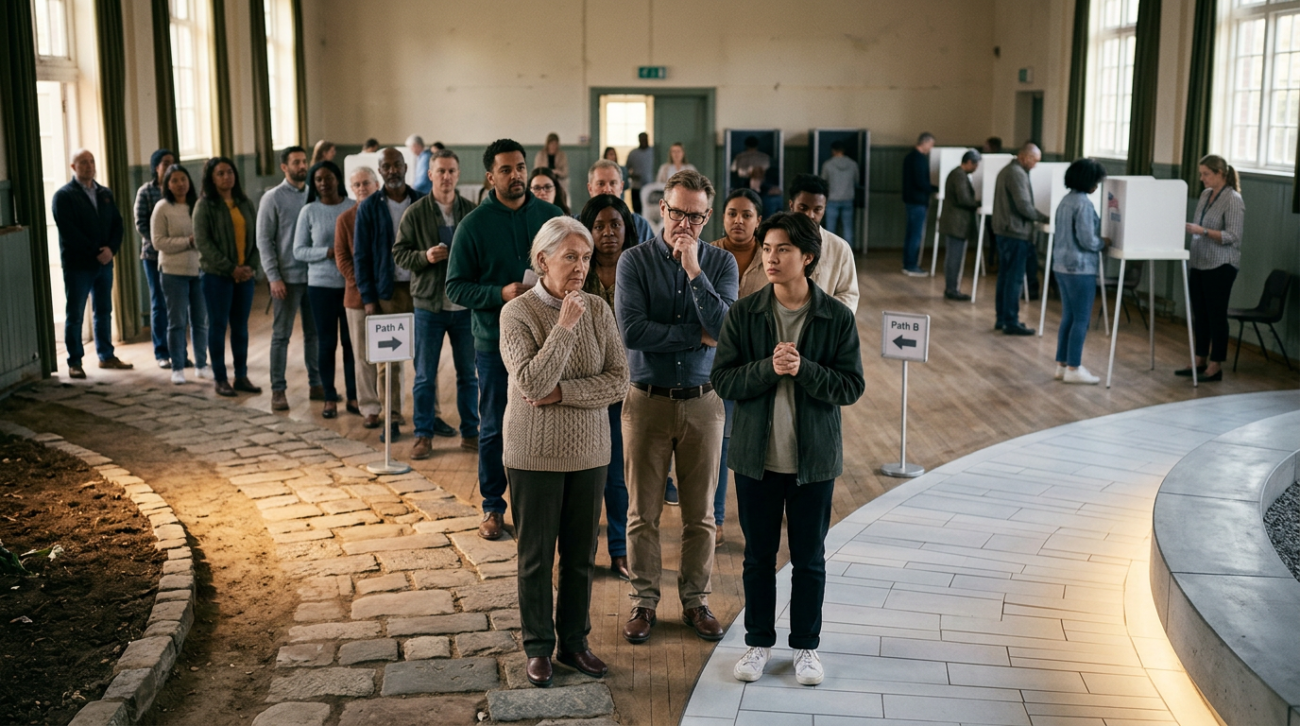
Two things can be true: A new candidate isn’t always the answer for a community that believes its current leader is doing well and has a vision for the community, but neither is maintaining the status quo solely because it’s comfortable and meets tradition.
Voters must be willing to ask difficult questions, examine candidates’ records and consider possibilities for change that challenge established cultural norms, especially if its going to benefit the community.
Progress begins when we stop asking only whom we’ve always voted for and start asking which candidate is best equipped to lead us forward.