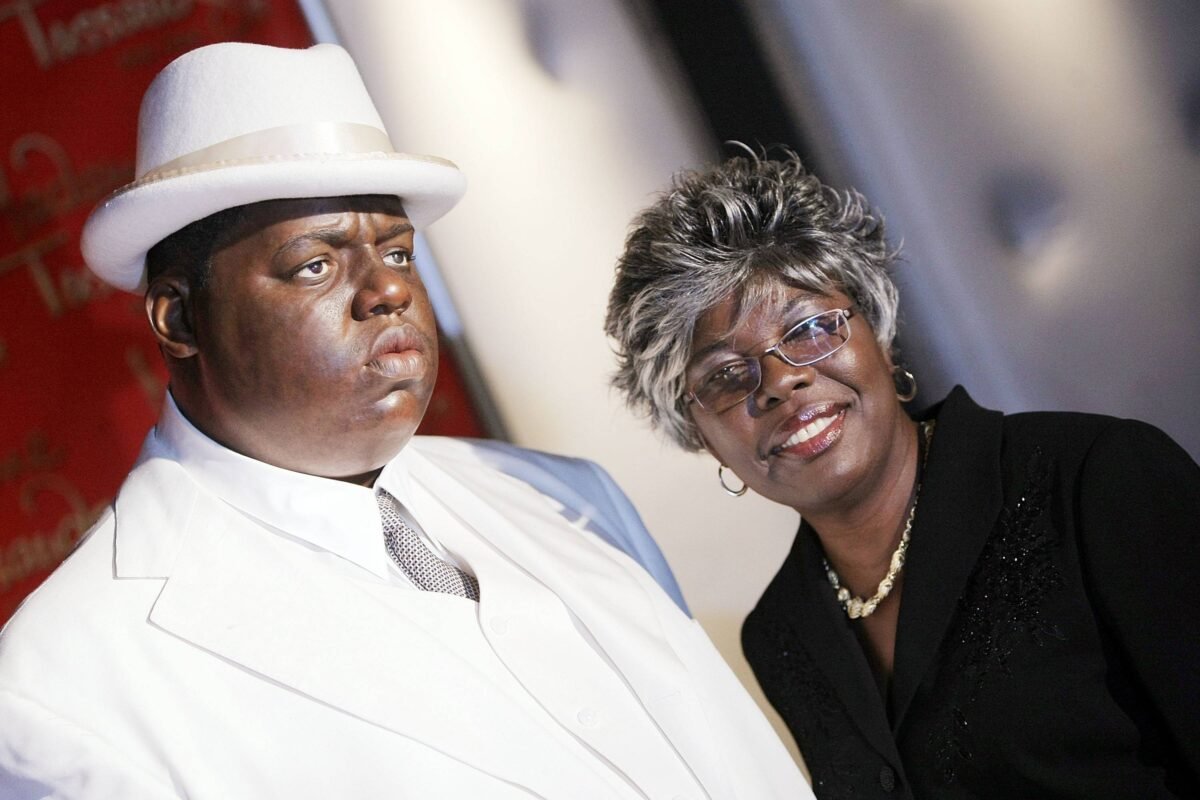

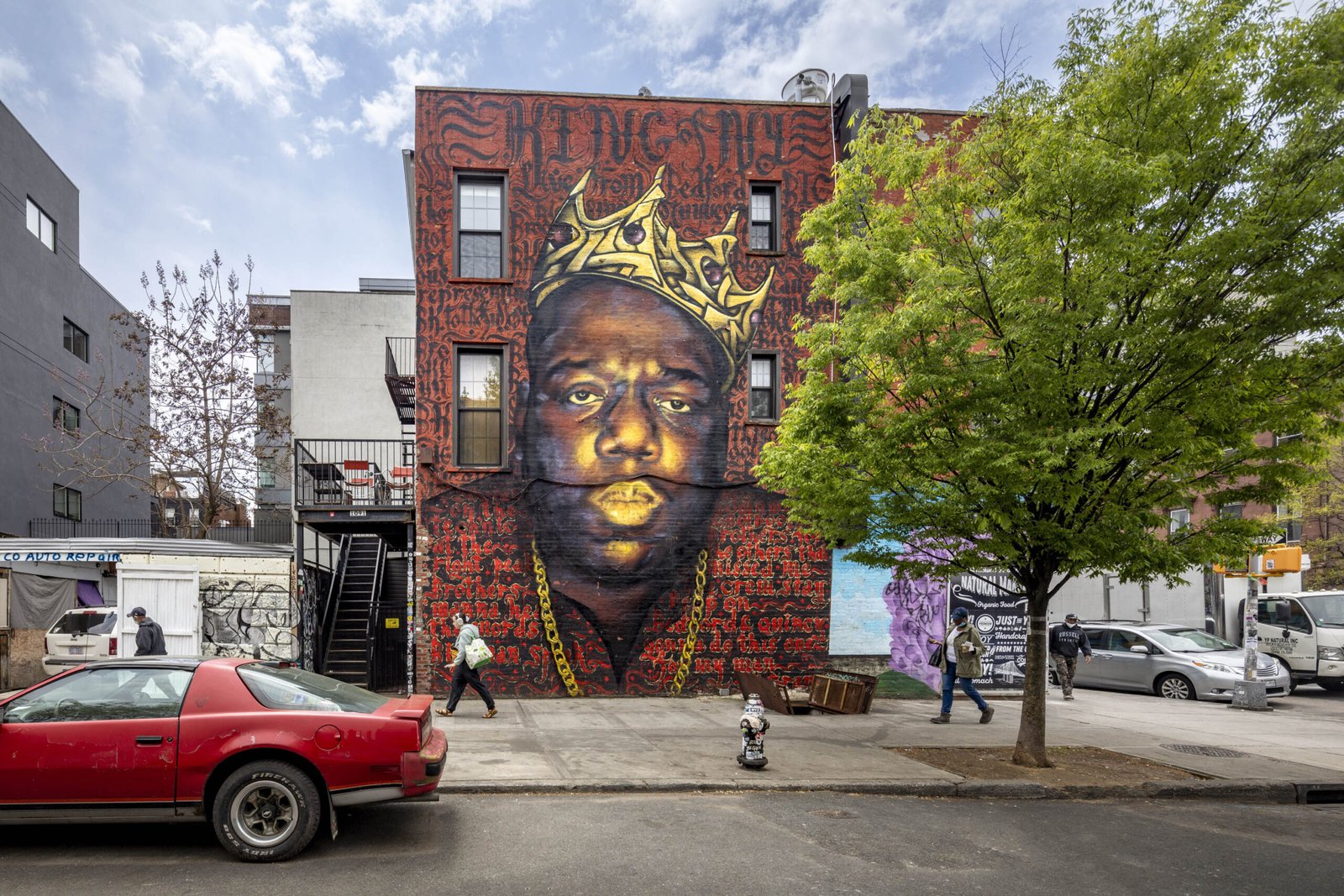
Today marks the 29th anniversary of the death of one of hip-hop’s most iconic artists. Nearly three decades after the murder of Christopher Wallace, better known as The Notorious B.I.G. or Biggie Smalls, his death remains at the center of one of music’s most haunting unsolved crimes. Despite extensive investigations, lawsuits, conspiracy theories, and thousands of pages of police and FBI documents, no one has ever been charged in connection with his killing.
For Biggie’s mother, Voletta Wallace, the pain never faded. She spent years seeking answers and accountability, filing lawsuits and speaking publicly about the injustice, but she passed away on February 21, 2025, without seeing justice for her son. The case remains open, and the truth continues to elude investigators.
The Tragic Night of March 9, 1997
Biggie Smalls was only 24 years old when he was fatally shot on March 9, 1997, in Los Angeles, California. Earlier that evening, on March 8th, he attended an after-party sponsored by Tanqueray, Vibe Magazine, and Qwest Records at the Petersen Automotive Museum following the Soul Train Music Awards. Shortly after midnight, Biggie left the party at Steve Stoute’s house in Hollywood Hills with friends and members of his label, Bad Boy Records.
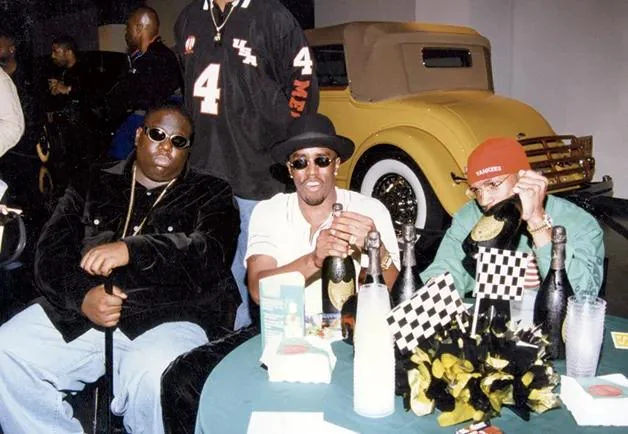
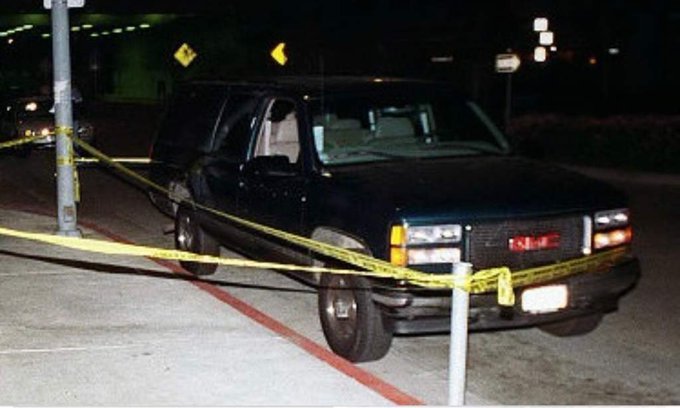
L‑R: The Notorious B.I.G., Sean “Puff Daddy” Combs, and Stevie J. at the afterparty hosted by Vibe and Qwest Records at the Petersen Automotive Museum in Los Angeles following the 1997 Soul Train Music Awards; and Caution tape surrounds the SUV that Biggie Smalls was in when he was fatally shot after leaving the event; Courtesy of Reddit
At approximately 12:45 a.m., while stopped at a red light at the intersection of Wilshire Boulevard and South Fairfax Avenue, a dark Chevrolet Impala pulled alongside the GMC Suburban where he was seated on the front passenger side. The driver fired multiple shots from a 9mm pistol, striking Biggie four times. Friends rushed him to Cedars-Sinai Medical Center, where he was pronounced dead at 1:15 a.m. Lil Cease of the 90s hip hop group, Junior Mafia, and the driver, Gregory “G-Money” Young were in the in the vehicle. Bad Boys mogul, Sean Combs, was in the SUV with his security team, Stevie J, and driver, Kenny Story behind Biggie Smalls on the night of the tragic incident.
His murder shocked the music world and came just six months after the killing of Tupac Shakur on September 13, 1996, intensifying fears that the East Coast–West Coast rap feud had turned deadly.
Theories About Who Might Have Killed Biggie
With no arrests ever made, numerous theories have circulated:
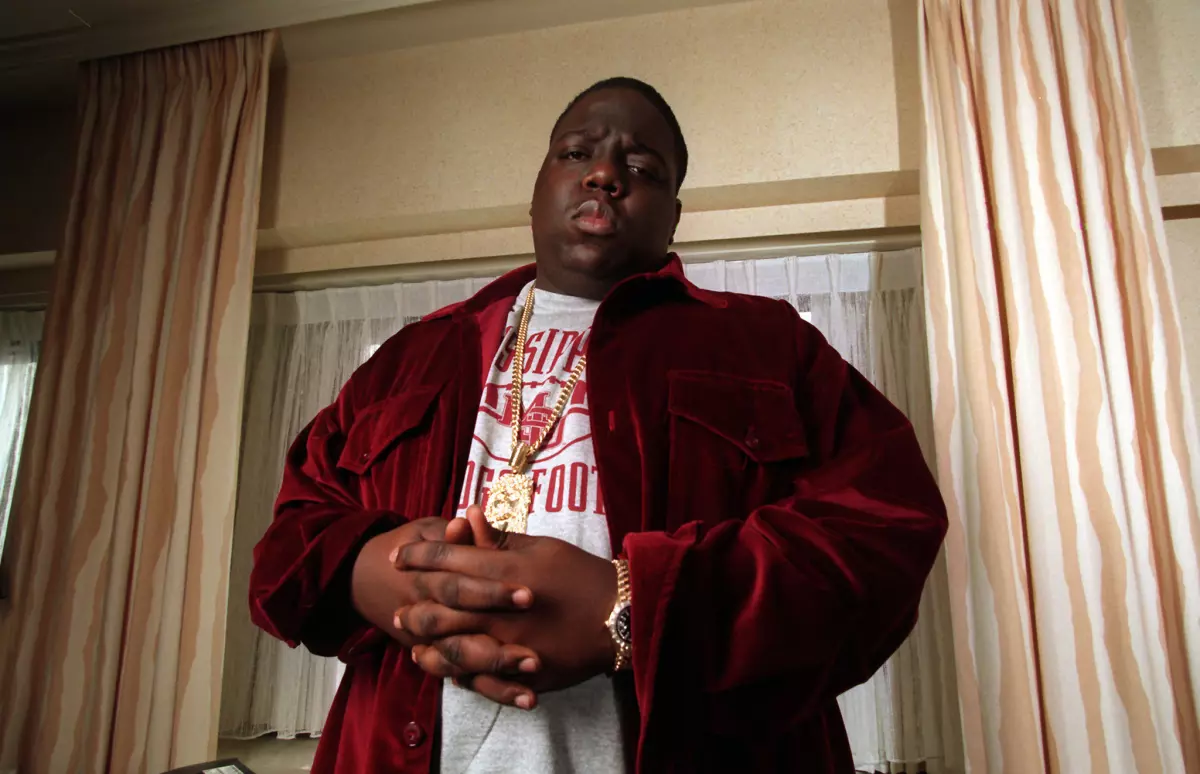
- Revenge for Tupac’s death: A widely discussed theory suggests Biggie’s murder was retaliation by Marion “Suge” Knight, who allegedly hired Wardell “Poochie” Fouse to commit the murder, according to retired LAPD detective Greg Kading. Tupac was signed to Death Row Records, led by Suge Knight, while Biggie represented Bad Boy Records in New York. Though the rivalry—fueled by diss tracks and media coverage—led many to link the killings, no evidence directly connected Biggie to Tupac’s death, leaving the theory unresolved.
- Alleged police involvement: Some investigators and journalists have suggested that corrupt LAPD officers may have been involved. Former LAPD detective Russell Poole believed the murder may have included officers with ties to gangs and Death Row Records. Officers such as Kevin Gaines (deceased) and David Mack had controversial affiliations with Knight, and vehicles similar to the one used in the shooting were reportedly linked to them. Amir Muhammed (also known as Harvey Billups), a friend of Mack who converted to the Nation of Islam, was also identified as a suspect, though testimony from jailhouse informant Michael “Psycho Mike” Robinson was weak and failed to produce solid evidence. FBI documents and later investigations suggested multiple possible suspects, including law enforcement, but no charges were ever filed. The Rampart Division scandal of the late 1990s added to suspicions.
- Gang-related theories: Other accounts propose that gang members tied to Death Row orchestrated the killing as revenge for Tupac. Retired detectives have supported this scenario, though no case ever reached trial.
Voletta Wallace’s Fight for Justice
Voletta Wallace, who was the forefront of seeking justice for her son, grief became a decades-long quest for accountability. Along with Biggie’s widow, Faith Evans, and his children, T’yanna Jackson and CJ Wallace, she filed a wrongful-death lawsuit against the City of Los Angeles Police Department, alleging the LAPD covered up evidence and shielded potentially implicated officers. The lawsuit, seeking hundreds of millions in damages, was ultimately dismissed on April 5, 2010, according to the LA Times.
Even after decades, Voletta publicly continued to demand the truth. She passed away still seeking justice, leaving the case unresolved.
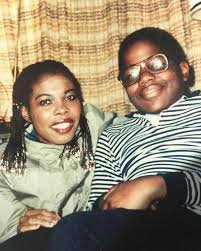
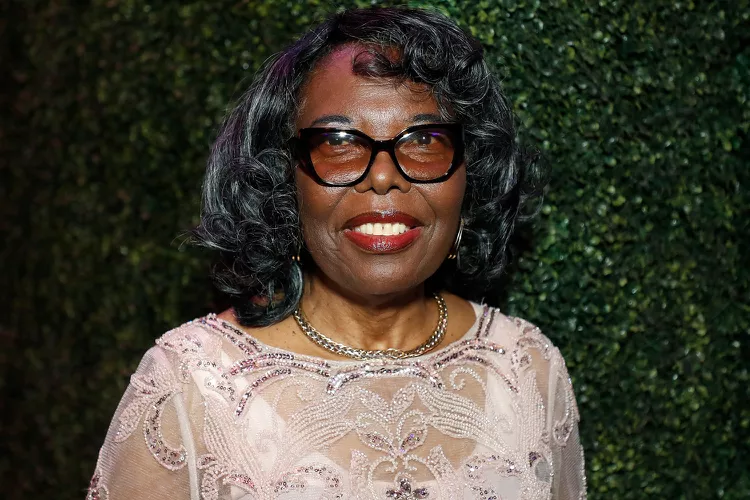
Voletta Wallace, mother of The Notorious B.I.G., advocating for justice for her son for years on end, in hopes that someone would be convicted for his death; Photo Credit: Instagram/Voletta Wallace and Getty Images
An Open Case, 29 Years Later
The murder of The Notorious B.I.G. remains one of the most infamous unsolved cases in music history. The LAPD’s Robbery-Homicide Division maintains that the investigation is open, meaning new evidence could potentially lead to charges. Over time, some witnesses have died, evidence has gone cold, and key investigators, including Russell Poole, who passed away on August 19, 2015,are no longer available to pursue leads.
For fans, family, and the hip-hop community, the question persists: Who killed Biggie Smalls? Twenty-nine years after the fatal gunshots on a Los Angeles street, the truth remains buried in speculation, lost evidence, and silence – leaving the public still waiting for answers.
It is 29 years without justice. 29 years without a trial. 29 years without a judge or jury hearing the truth. Until someone is held accountable, the murder of Biggie Smalls remains not just a cold case, but one of hip-hop’s greatest unanswered mysteries.