


Surrogate mother McKenna West gave birth to a baby on Wednesday morning, on August 11th, at a Dallas hospital, according to the lawyers of surrogate and intended parents, as reported by the Texas Tribune. West is now facing a legal dispute between her and the parents in a custody battle.
How the situation turned into a legal battle resulted in the Los Angeles couple, Nausheen Gilkar and Omar Ahmed, learning that the baby was diagnosed with hypoplastic left heart syndrome (HLHS) through an anatomy scan in the surrogate’s 20th week of pregnancy in April 2026, during her doctor visit. The couple asked the surrogate mother to terminate the pregnancy, according to the surrogate contract agreement—the “abortion on demand” clause.
The couple connected with West when she matched with Gilkar and Ahmed, through Fairfield Connecticut-based Worldwide Surrogacy Specialists, LLC.

According to Kids Health, HLHS is when the left side of the heart is smaller than normal and can’t pump enough blood to the body. The condition requires immediate attention with medication and surgeries and sometimes even a heart transplant.
In Alaska, the doctors refused to perform the abortion, stating that it was a highly intensive and risky late-term procedure; therefore, according to the court documents, the biological parents demanded to travel to Seattle to have the abortion performed. West was appalled by the idea of doctors injecting a baby when the condition is treatable, and she would rather not proceed with that.
West refused, citing that it is required for the newborn to receive life-saving care and that the parents are responsible for that decision after birth. The Alaska nurse fled to Texas, a state that went out of law to ban abortion in 2022 under the Texas Heartbeat Act, giving birth to the baby, whom she named Gabriel.
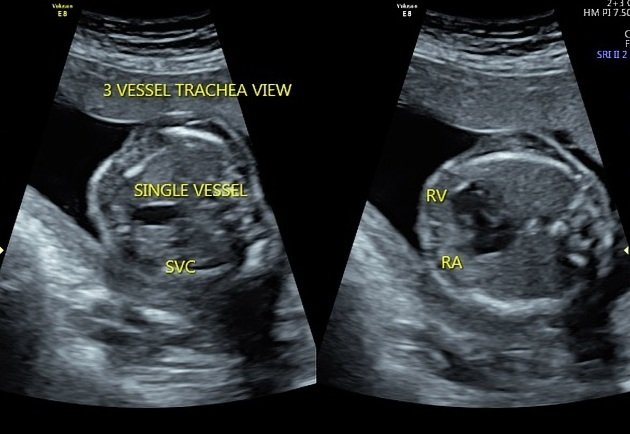
According to New York Presbyterian, the life expectancy for infants with HLHS is a few days to a few weeks without treatment. The proper treatment is received, and the survival rate is up to age 5 at 72% and 90% for people who have the condition and reach the age of 18. The oldest person to survive the condition is in their 30s.
The couple decided to see the pregnancy through to delivery, inquiring about available options in LA and Dallas for the course of action, which included West delivering the baby in California, whom they named Rumi, so that treatment could begin there.
The newborn is now receiving medical care, according to the parent’s attorney. The couple say West violated the surrogacy contract, and they obtained a restraining order that prevented West from seeing or holding the child after he was born, according to an attorney for the surrogate.

In the legal battle, West plans to gain custody after she wasn’t allowed to have contact with the baby after his birth under the court orders, according to her attorney. And seeking legal protection under Texas family law recognizes the person who gives birth in the state as the child’s legal mother.
The California Trail, on the other hand, has already established the couple as the rightful parents for the child, but they appeal in court, rejecting the West request to stop the trial court judgment taken into effect.
It appears that there will be a contentious legal battle over custody of baby Gabriel or Rumi, as the next court date is scheduled for August 25, according to the Dallas County, Texas, court portal, with Ashley Wysocki serving as the official judge.