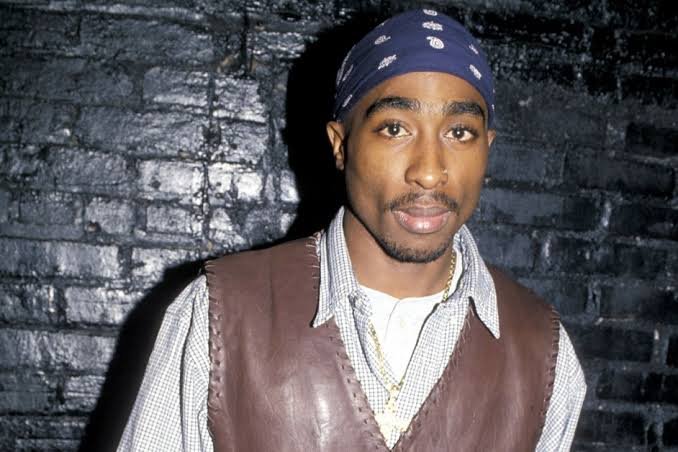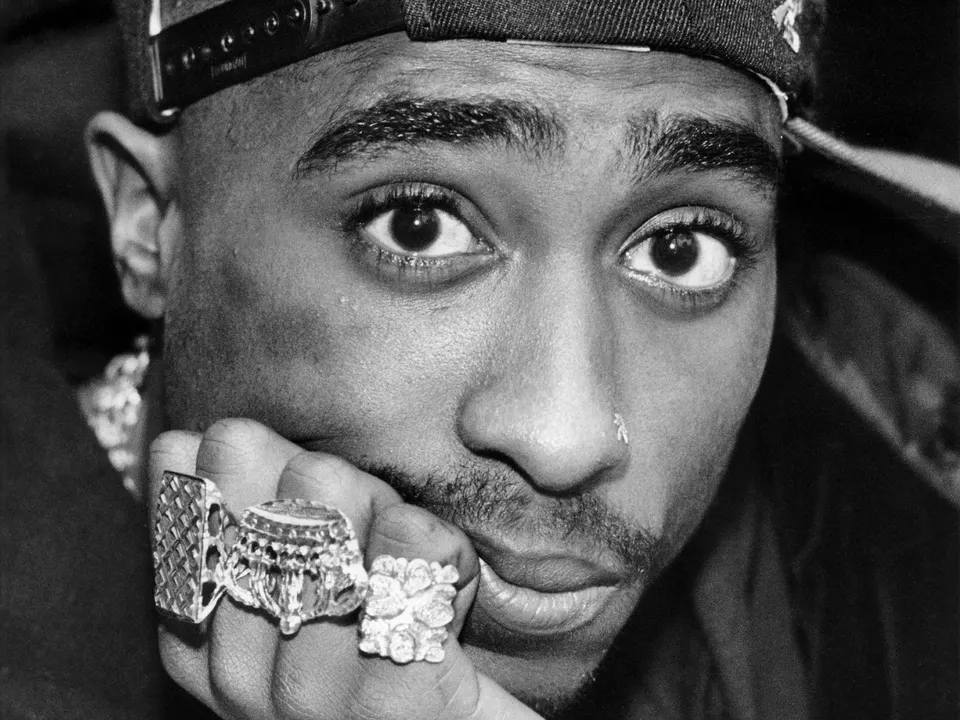

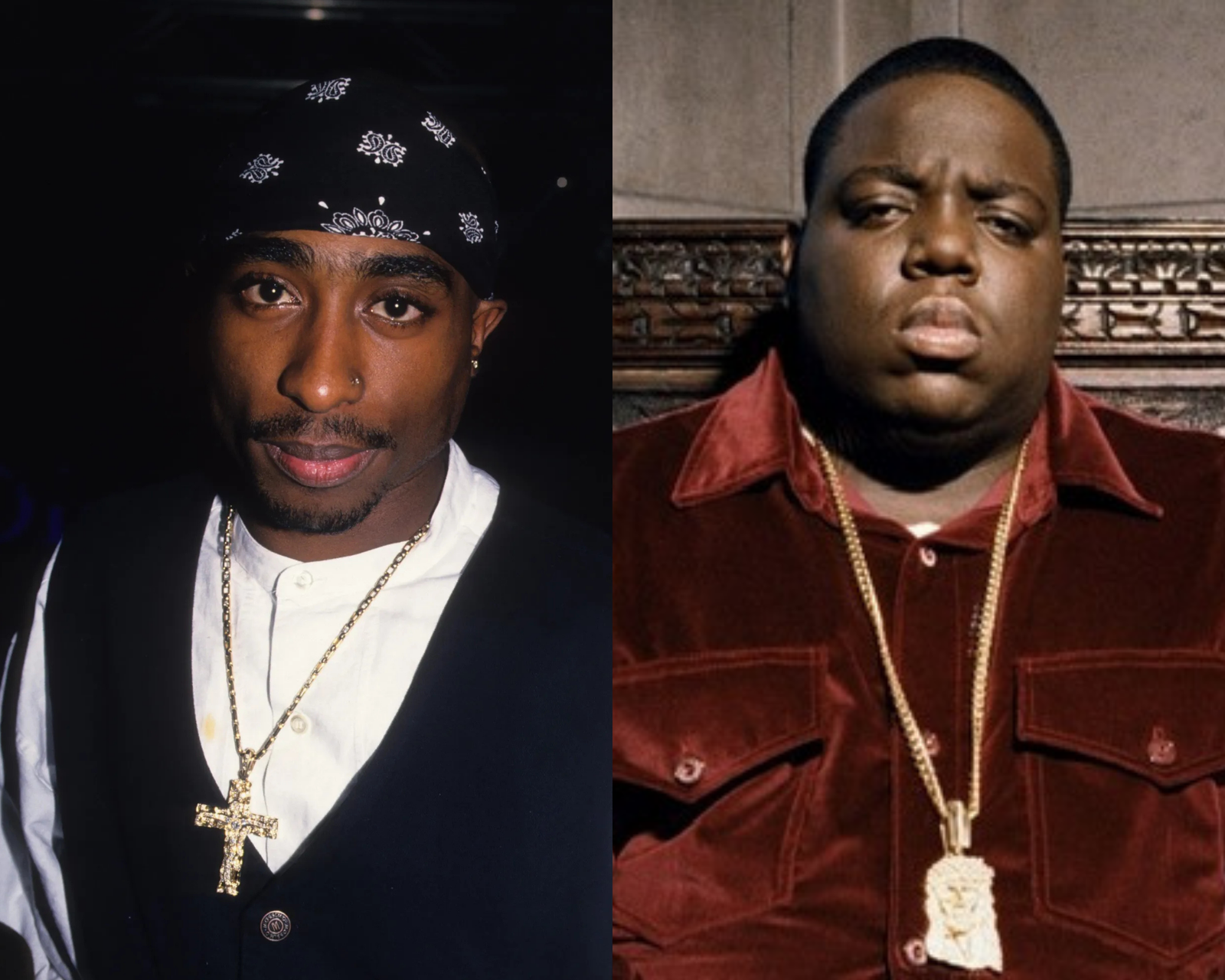
Thirty years ago on September 13th, the world lost a promising hip hop artist, Tupac Amaru Shakur. The 25-year-old rap icon died from injuries sustained in a Las Vegas drive-by shooting six days earlier.
For decades, Tupac’s murder remained one of hip-hop’s most infamous unsolved cases. There were speculations surrounding the guilty parties involved until last month, when the mysteries surrounding his death finally reached a historic conclusion.
Tupac’s Case Has Been Resolved
On August 31, 2026, a Las Vegas jury found former LA gang leader, Duane “Keffe D” Davis, guilty of first-degree murder for his role in orchestrating Shakur’s killing.
Prosecutors argued that Davis helped orchestrate the shooting as retaliation after Tupac and members of his entourage confronted and assaulted Davis’ nephew, Orlando “Baby Lane” Anderson, at the MGM Grand earlier that night for stealing jewelry from one of Shakur’s entourage.
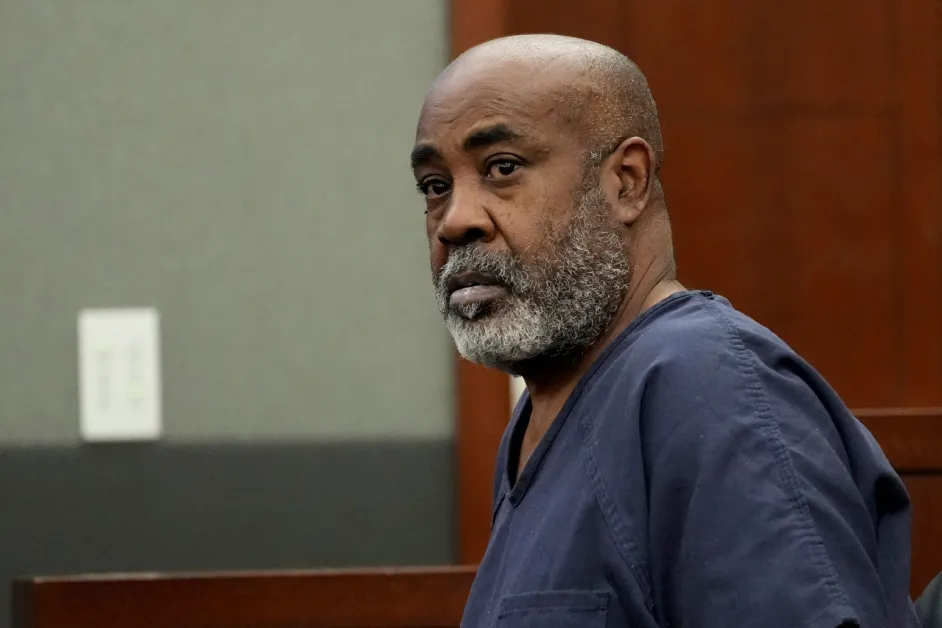
Importantly, prosecutors did not allege that Davis was the person who pulled the trigger. Instead, they argued that he helped plan and facilitate the shooting. His conviction marked the first criminal conviction in Shakur’s murder case, ending a nearly three-decade wait for accountability.
The Pain of a Mother Who Never Got to See Justice
While the conviction provides a significant measure of justice, it also leaves some questions about the shooting itself. One of the most heartbreaking aspects of the timing is that Tupac’s mother, Afeni Shakur, was not alive to witness it.
Afeni died 10 years ago on May 2, 2016, at the age of 69, 10 years before her son’s murder case finally resulted in a conviction.
For a mother who spent decades carrying the loss of her son, she never had the opportunity to sit in a courtroom and hear a jury declare someone responsible for his death. That is an unfortunate reality of a case that took nearly 30 years to reach this point. Tupac’s family, however, was able to live to witness justice in his case.
Now, What About Biggie?
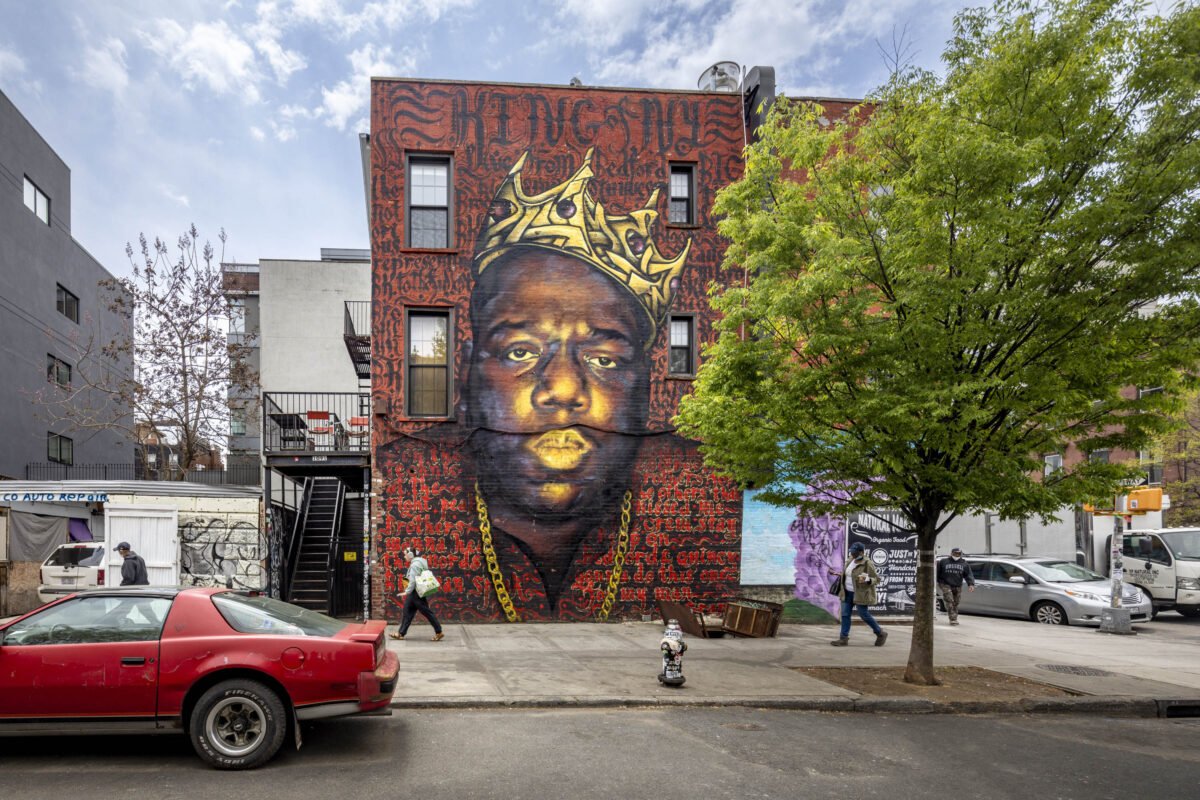
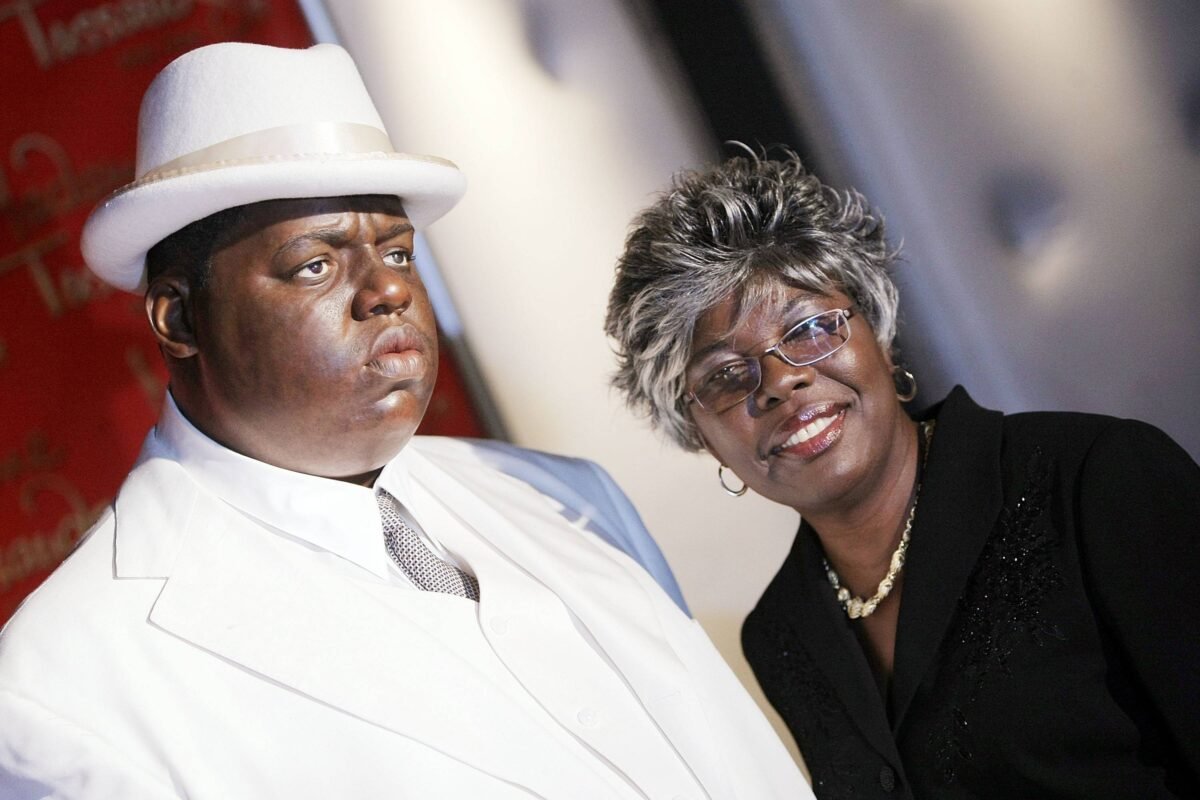
Tupac’s conviction inevitably raises another question: Could Christopher Wallace, also known as The Notorious B.I.G. or Biggie Smalls, receive the same justice?
The Brooklyn rapper was killed just six months after Tupac on March 9, 1997, in a drive-by shooting in Los Angeles. Like Tupac’s case, Biggie’s murder has remained officially unresolved as it reaches its 30th anniversary next year.
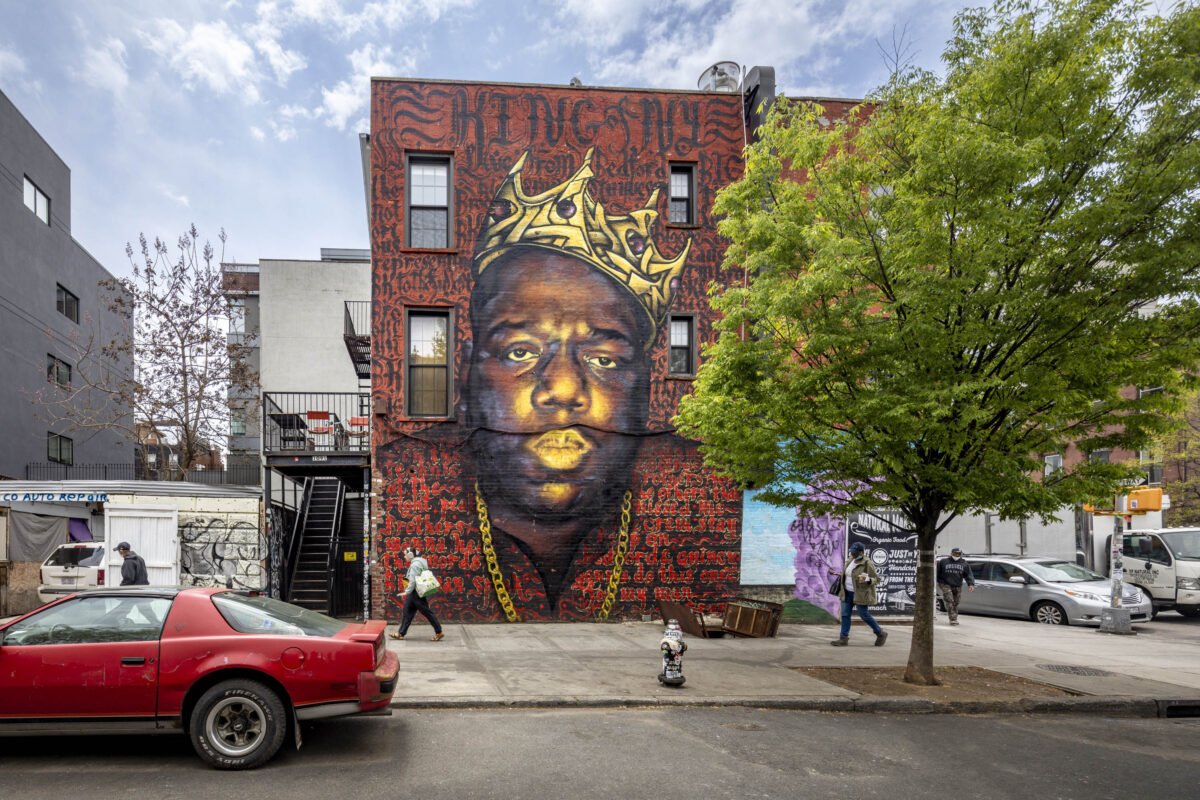
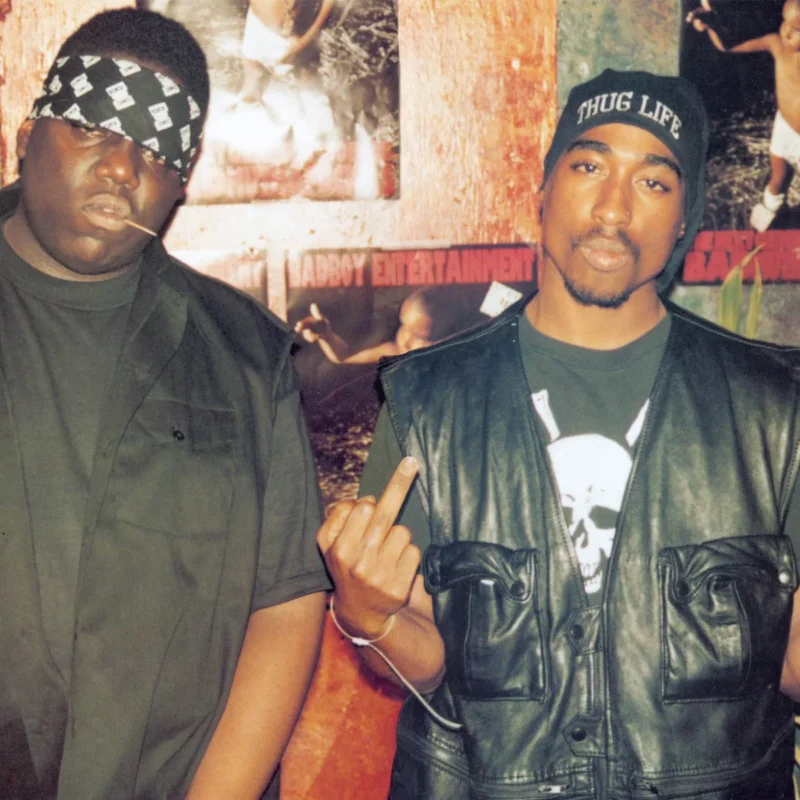
The deaths of the two gifted young artists, who were at the height of their careers, became linked and surrounded in the highly publicized East Coast-West Coast rivalry.
For years, investigators, journalists, and independent researchers have explored whether the two murders were connected.
Could Biggie’s Case Still Be Solved?
The answer is: it’s possible, but there is no guarantee. It depends on whose willing to come forth, whose willing to further dig into the situation through research and journalism.
Tupac’s case demonstrated that a decades-old investigation can still produce a prosecution when investigators obtain sufficient evidence. The breakthrough that pushed Tupac’s case forward was heavily connected to information that had surfaced publicly over the years, including statements made by Davis about his account of the events surrounding the shooting.
Biggie’s case has generated its own collection of theories, allegations, and competing investigative theories, including a Los Angeles police detective (Homicide Bureau), Russell Poole, connecting his death to members of the LAPD who knew Death Row Record cofounder Suge Knight. Poole, has since passed away in August 2015.
Thirty Years Later, Tupac Finally Has an Answer
There is something significant about reaching September 13, 2026, which was a long time waiting for the truth to reveal and how much time it took itself to resolve the matter.
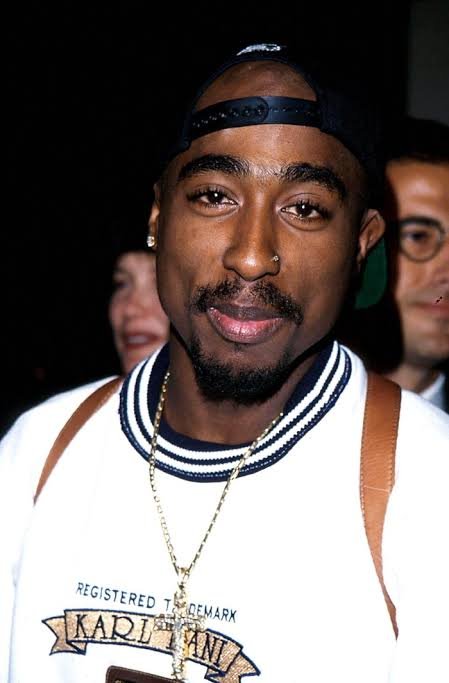
The story highlights that trial delays can become justice when it reaches its crack for justice that some family members and even the general public never thought would come to light, as well as if the possible cover-up would further delay to reveal the truth.
Now, the attention turns to another legendary rapper whose life was cut short at the age of 24.
Will Biggie Smalls’ Murder Ever Receive the Same Resolution?
Only time, and potentially new evidence, will tell. For now, Tupac’s case stands as one of the examples of a decades-old murder investigation finally reaching a courtroom. The case that once seemed destined to remain an unsolved mystery has finally reached a verdict.
Hopefully, the ones involved in the death of The Notorious B.I.G. would have the same revelation.