


The news outbreak of cyclospora, a microscopic parasite infecting the gastrointestinal tract, is now effective in 34 states, according to the Center for Disease Control and Prevention (CDC). As a whole, the total number of reported cases is 1,645 with 141 hospitalizations and no deaths, as of July 13th, according to the CDC, with 5,100 probable cases that are not confirmed. The parasite, which was first reported in Michigan, which has the highest reported cases in the country with 501-900 cases, is usually spread by consuming food (mostly found in bagged greens, precut lettuce, green onions, salad greens, blackberries, parsley, cilantro, raspberries, basil, snow peas, and sugar snap peas) and water contaminated with Cyclospora.
The common symptoms include watery diarrhea, loss of appetite, stomach cramps, bloating, nausea, fatigue, and weight loss. Symptoms may come and go and can last for several weeks and months if left untreated. CDC reports that people can also experience no symptoms.
Cyclospora is not a typical stomach bug. It is a parasite that is usually spread by consuming food or water contaminated with the parasite. It is not typically spread directly from person to person because Cyclospora needs time in the environment to become infectious. Cyclospora infects the small intestine (bowel) and usually causes watery diarrhea with frequent and sometimes explosive bowel movements, as reported by the CDC.
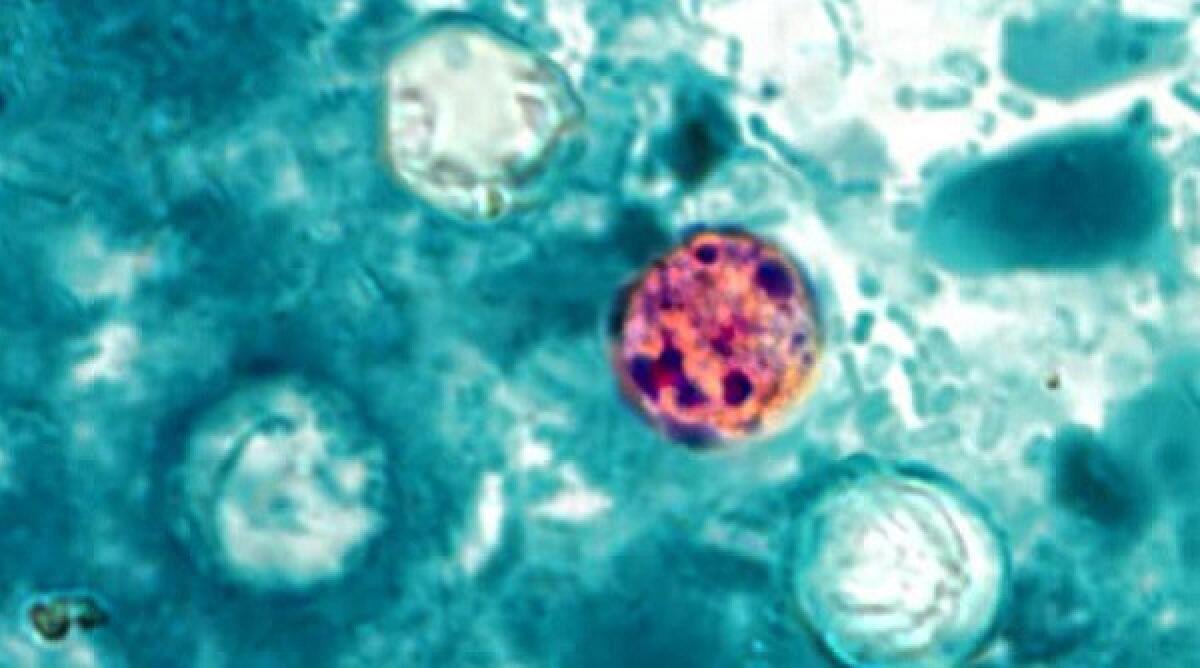
According to the Hawaii Department of Health Disease Outbreak Control Division, the time between becoming infected and becoming sick is usually about one week but can range from 2 days to 2 weeks or more.
Treatment: Cyclosporiasis is usually treated with the prescription antibiotic trimethoprim-sulfamethoxazole (TMP-SMX), which is also called Bactrim or Septra. Staying hydrated is also important to replace fluids lost from diarrhea. If you experience severe diarrhea, signs of dehydration, or symptoms that persist, contact your healthcare provider promptly.
Prevention: Wash your hands thoroughly (20 seconds) with soap and water before eating or preparing food and after using the restroom. Clean and wash your fruit. Dr. Bobby Price, who shared a commentary on the outbreak on his YouTube page, shared helpful tips on how to thoroughly clean your fruit and vegetables, like soaking the produce in apple cider vinegar, 3% food-graded diluted hydrogen peroxide, or clean spring water. Also avoid water from any untreated water source—boil water. Following food safety recommendations and paying attention to food recall notices can also help reduce your risk.
If you’ve had persistent diarrhea lasting more than a few days, especially after eating fresh produce or traveling, don’t ignore it. Consult a healthcare provider, as they may require a stool test to diagnose Cyclospora and determine the appropriate treatment.
To stay up-to-date and learn more about cyclospora, visit the Center for Disease Control and Prevention website.