
Colleges and universities are preparing for a new federal reporting requirement that could eventually affect whether some academic programs remain eligible for federal student loans.
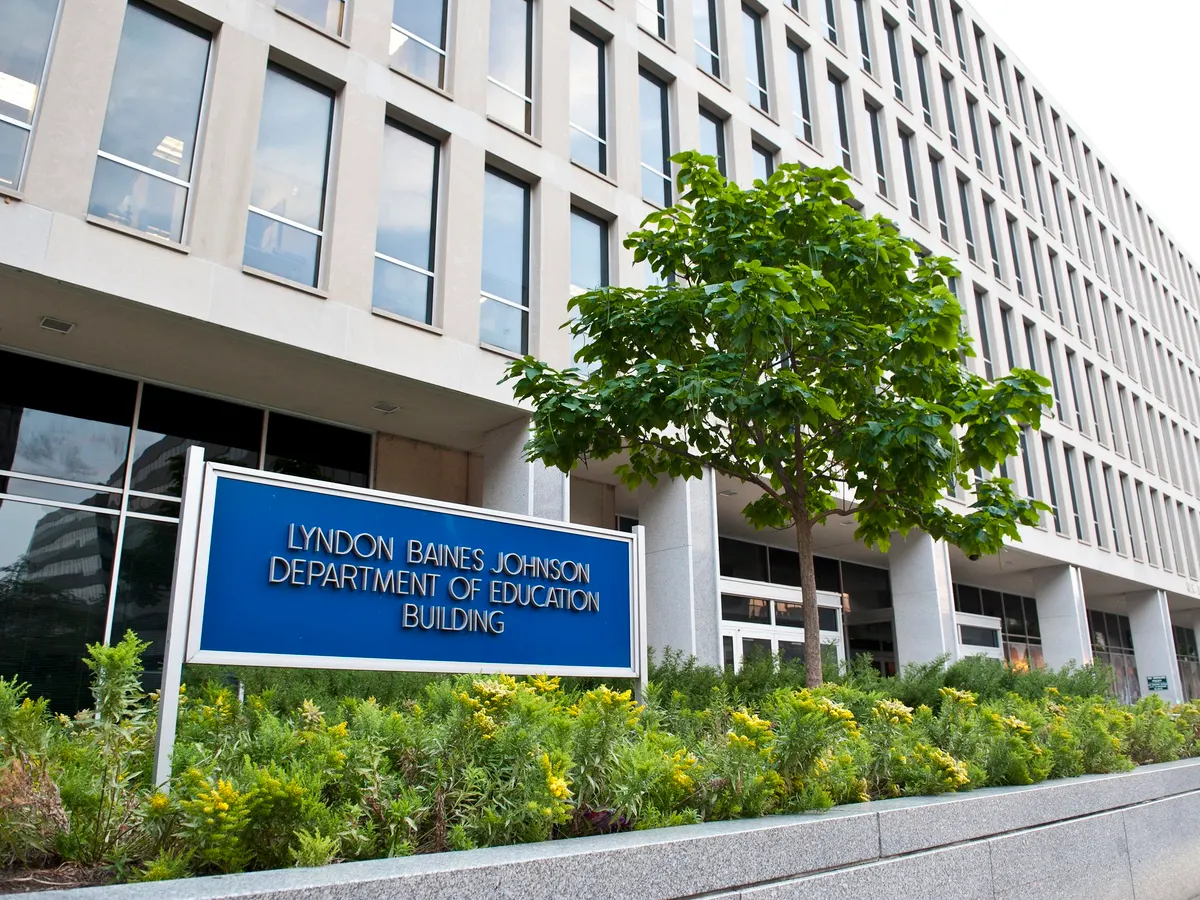
Starting October 1, 2026, institutions must submit information about their academic programs and students to the U.S. Department of Education under the new Student Tuition and Transparency System (STATS) and Earnings Accountability rule. It does not mean programs will immediately lose access to federal student loans. The deadline marks the beginning of the new data-reporting process.
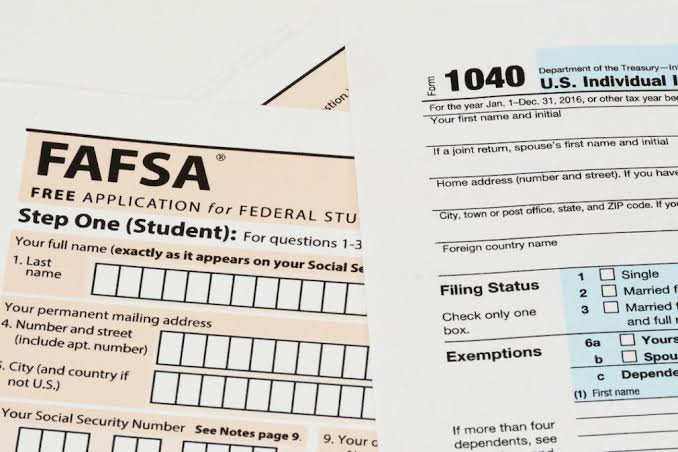
Under the rule, colleges must report information including program names, Classification of Instructional Programs (CIP) codes, credential levels, program length, total cost of attendance, private education loans, and whether students completed or withdrew from their programs.
How Will Programs Be Evaluated?
The Department of Education will conduct its first earnings calculation in early 2027, and the results will apply to the 2027–2028 award year.
Undergraduate programs will be evaluated based on whether their graduates’ median earnings exceed those of working adults ages 25 to 34 with only a high school diploma.
Graduate programs will be compared with the median earnings of working adults ages 25 to 34 with only a bachelor’s degree.
The calculation will use graduates’ median annual earnings four years after they complete their studies.
The new earnings test has drawn criticism from some who argue that income alone may not fully reflect the value or long-term outcomes of certain professions.
What Happens if a Program Fails?
A single failed earnings measurement will not immediately eliminate a program’s access to federal loans.
Under the final rule, a program that fails the earnings test in two out of three consecutive years will lose eligibility to participate in the federal Direct Loan program and will be classified as a “low-earning outcome program.”
The Department says some programs could potentially receive that designation beginning with the 2028–2029 award year if they fail the test in both 2027 and 2028.
After a first-year failure, institutions will receive a warning and have several options. They may voluntarily remove the program from the Direct Loan program for at least five years, pursue an orderly program closure and teach-out, or take no action and allow the program to undergo additional testing.
Institutions will also have 30 days to appeal a determination if they believe the Department made an error in calculating the program’s earnings measure.
Pell Grants and Other Changes
The rule could also affect Pell Grant eligibility at institutions that offer a significant number of low-earning jobs through their programs. It can result in an institution possibly losing Title IV eligibility, including Pell Grant eligibility, if more than half of its Title IV recipients are enrolled in low-earning outcome programs or if more than half of its Title IV funds are distributed to students in those programs.
Certain cosmetology, barbering, massage therapy, and similar programs associated with occupations that regularly receive tips will receive a delayed implementation period.
The changes also coincide with new federal graduate borrowing limits that took effect July 1, 2026. Graduate students are limited to $20,500 annually and $100,000 over their graduate studies, affecting fields including social work, education, nursing, and public health.
Criticism and Drawback
Former Canadian personality, now media content creator, Dean Blundell, who opposes the changes, argues in his article on Substack that professions in the Social Work and Education field reason for having lower salaries is due to salary compensation being influenced by public budgets, school boards, and state legislatures.
Blundell argues that the rule could penalize colleges for preparing students for professions impacted by government-controlled wages. He also argues that measuring earnings during the early years of a career could overlook longer-term growth among nurses, teachers, and social workers.
The News Republic has also reported that degrees in art, religious studies, and music may be most affected by the changes because their graduates may earn less than those in other fields.
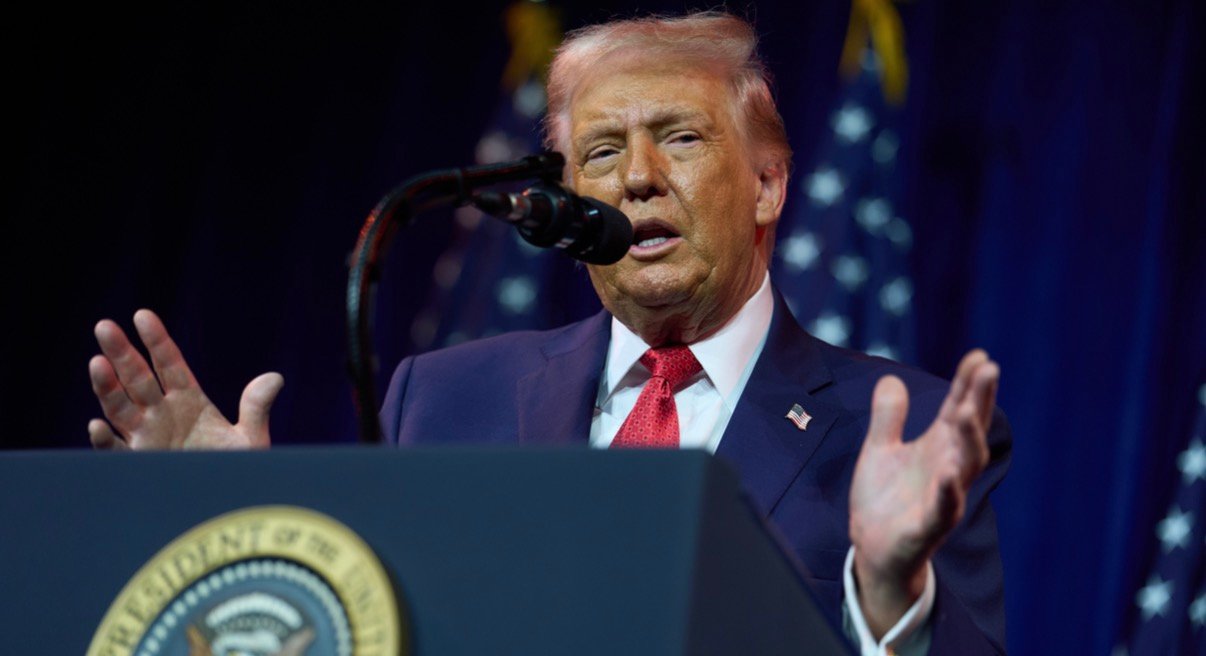
The changes stem from legislation signed by President Donald Trump on July 4, 2025. Following negotiated rulemaking and nearly 10,000 public comments, the Department announced the final accountability rule on June 29, 2026.