
Pastor Jamal Bryant, along with Tamika Mallory, co-founder of Until Freedom, and Nina Turner, former Ohio senator, provided updates on the “Target Fast” at the National Press Club in Washington, D.C., according to the St. Louis American. Bryant, who has been the face of the boycott, stated that Target has completed three of the four demands so far and is on track to fulfill its broader promise. So far, the Minneapolis-based retailer plans to fulfill its $2 billion pledge to support Black-owned businesses by April 2026, continue supporting HBCUs, and contribute to the United Negro College Fund and scholarship programs that expand educational opportunities and workforce development.
Still, not every demand on Bryant’s list has been met. Support for Black-owned banks remains unresolved, and DEI policy concerns persist, leading organizers to say the work is not finished. Target does plan to maintain comparable levels of investment in Community Development Financial Institutions, where it has invested nearly $20 million since 2020. However, broader investment in Black-owned banks remains an area where leaders say progress is still needed, according to Bryant, as reported by the news outlet.
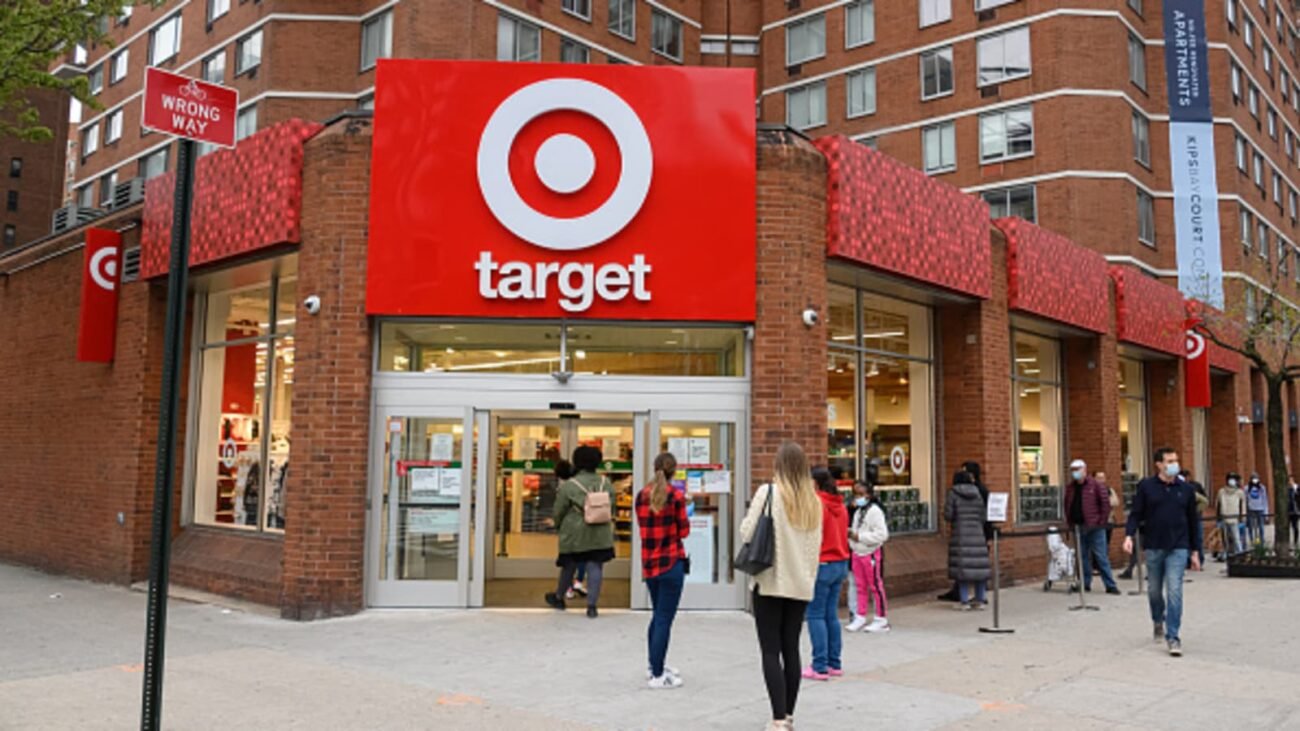
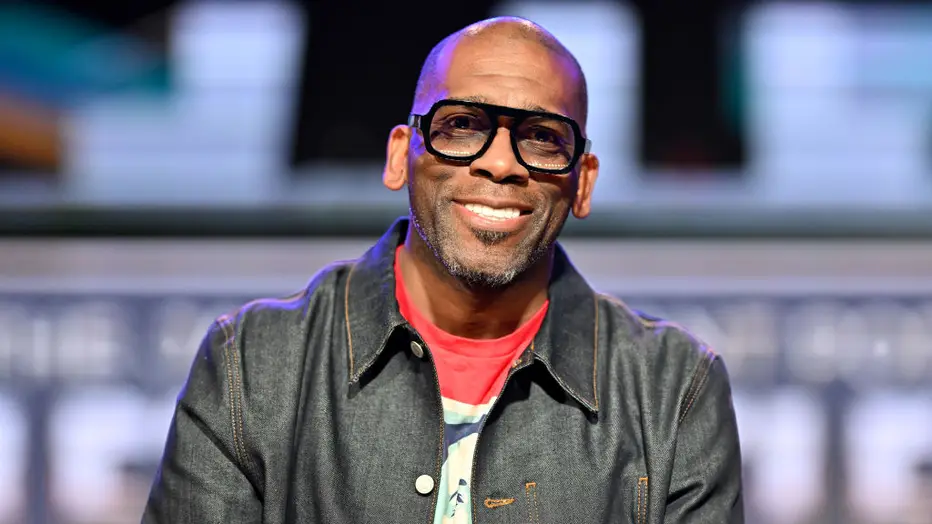
The lead pastor of New Birth Missionary Baptist Church in Atlanta initially announced the end of the Target Fast on March 11th at the National Press Club. After receiving backlash, mainly from the Black community and activists, he apologized during his “Let’s Make It Clear” podcast on March 13th, clarifying that he had misread the room.
“I was reading from a different sheet of music… I want to apologize to you for being a leader who was out of touch with what the community was demanding,” Bryant said.
Bryant emphasized that the fast was just one tactic within a broader boycott and that no one was instructed to resume shopping at Target. He also noted that the larger mission requires continued effort, adding that the struggle continues and the best is yet to come.
Minneapolis civil rights activist and attorney Nekima Levy Armstrong of the Racial Justice Network, along with grassroots leaders like Monique Cullars-Doty, who reportedly launch the Target boycott prior to Bryant in February 2025 in partnership with Jaylani Hussein, co-founder of Black Lives Matter Minnesota, accused Bryant of hijacking the movement. Bryant, Turner, and Mallory have denied those claims. Armstrong recently told USA Today that the boycott will continue until the company reverses its DEI policy.
“When there is a man in the picture, particularly one seen as a celebrity, our words get erased,” Armstrong also told Capital B News.
“This is about correcting the historical record and being honest about the origins of this boycott…and how we got here, where there is manufactured confusion,” she added.
What started as a 40-day Lenten fast in early 2025 by Bryant grew into a nationwide boycott, encouraging Black communities to redirect their spending to support Black-owned businesses.
Despite the initiatives Target is working on, and the efforts from Bryant and other activists to push the company to fully recommit to its DEI promises, a larger question remains: Is it enough for Black shoppers to return?
At this moment, there is no immediate effort from the company to reverse its DEI policies. Even hypothetically, if Target were to shift course again, many argue the damage has already been done.
“I’m too used to not going to Target now, so whatever Jamal Bryant is talking about means nothing to me,” one Bluesky user wrote. Another user responded, “Same. Target no longer exists for me once the boycott began – unlisted and forgotten.”
For other critics, the issue is trust on if the company will keep its word. Singer and actor, Tyrese, shared a video explaining the difference between cancel culture and a boycott, saying he is waiting for an official announcement confirming that the company will fulfill the promises it agreed upon with Bryant. He also noted that Bryant’s heart is in the right place with the “Target Fast,” while also commending the Minneapolis based activist who originally started the boycott.
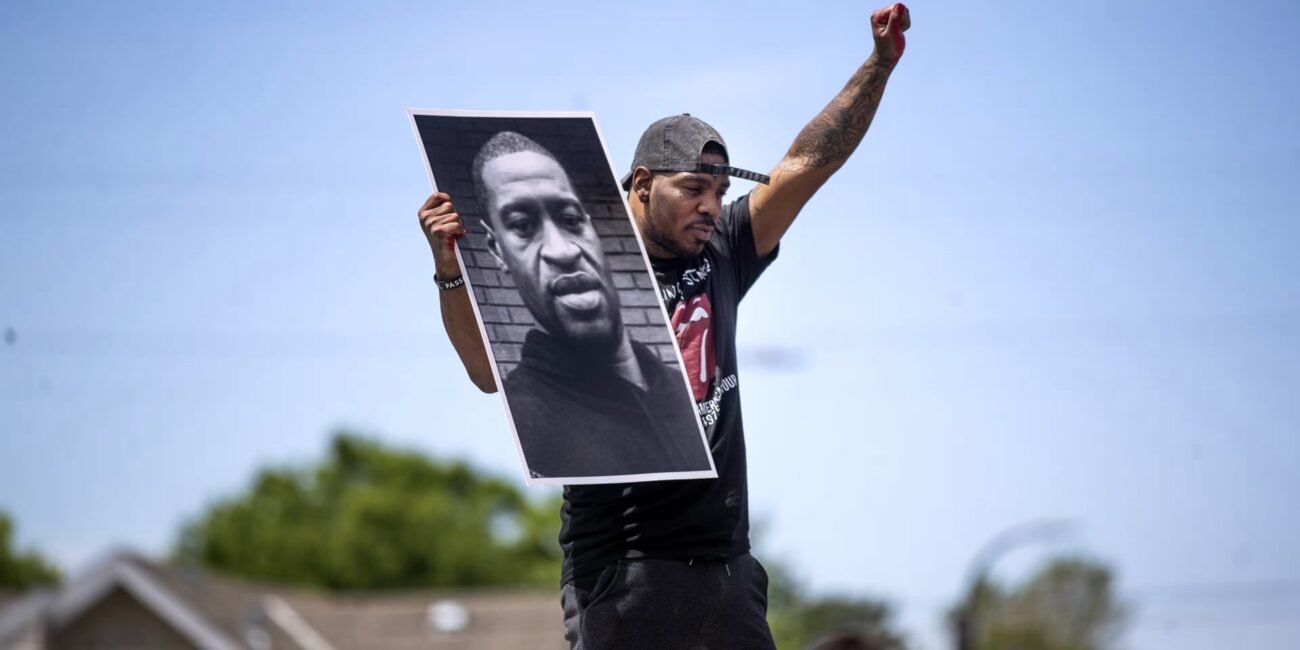
The company’s alignment with policies tied to Donald Trump marked a turning point, especially after years of positioning itself as a strong supporter of Black businesses following the death of George Floyd in Minneapolis.
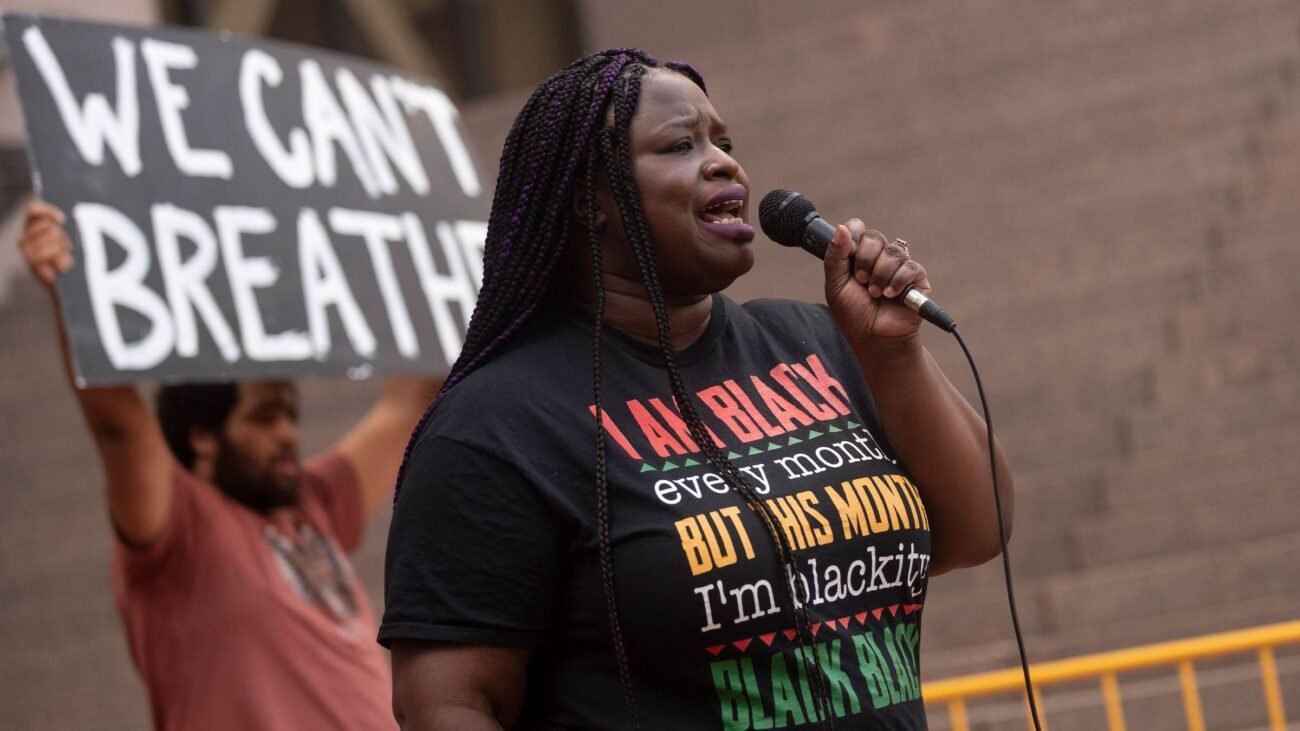
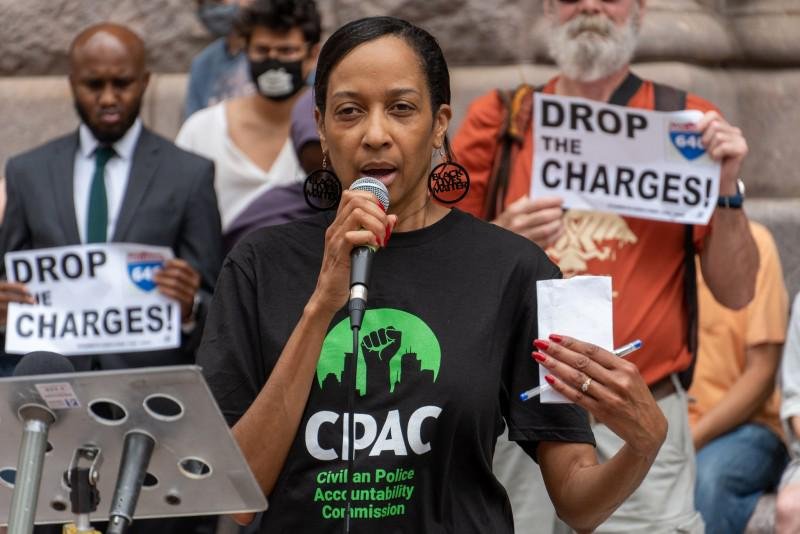
L-R: Minneapolis civil rights attorney Nekima Levy Armstrong and Black Lives Matter (Minneapolis Chapter) activist Monique Cullars-Doty; Photo Credit: Stephen Maturen/Getty Images and Brad Sigal
Still, this moment reflects a broader pattern: corporations often shift their public positions in response to the political climate. That reality has been visible for years, including during the fallout of North Carolina House Bill 2, when major companies pulled back support from the state over concerns about discrimination against the LGBTQ community.
In that sense, the Target controversy highlights a familiar dynamic – businesses frequently move in step with national policy trends, sometimes at the expense of maintaining consistent loyalty to the communities that helped build their brand.
On the bright side, the rollback or if the company decides to renewed its commitment to DEI could present an opportunity to further spotlight and invest in Black-owned businesses, especially to those who made in their mind to cancel Target, encouraging communities to be more intentional about where their dollars go and how they circulate within Black economies.