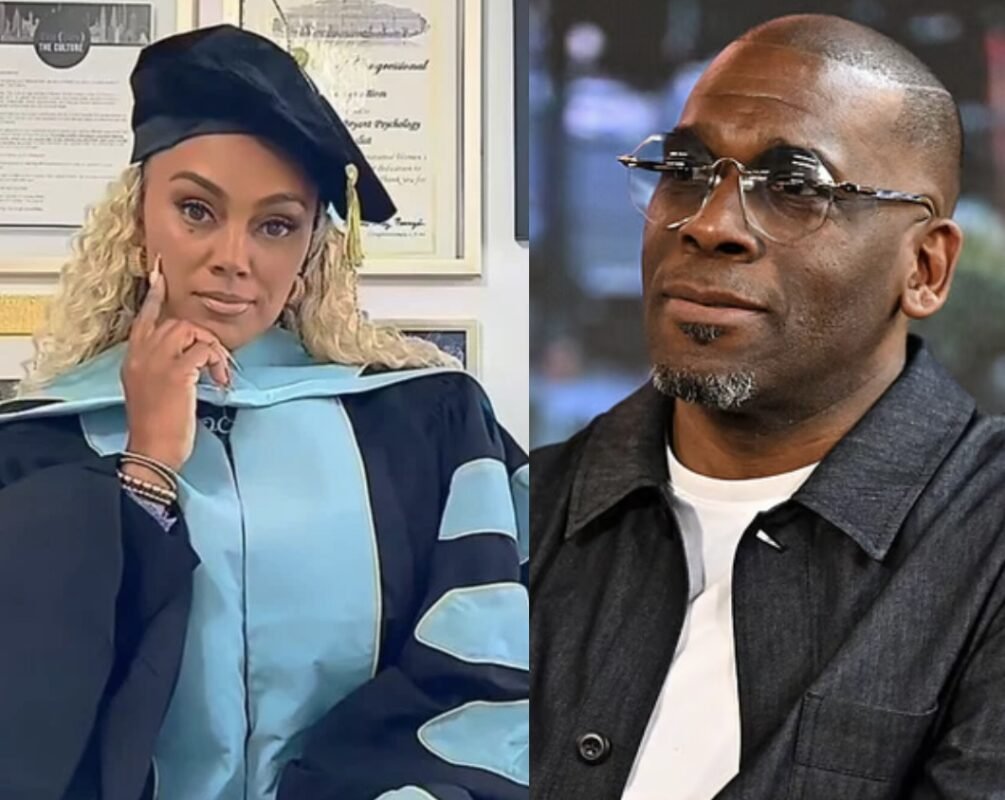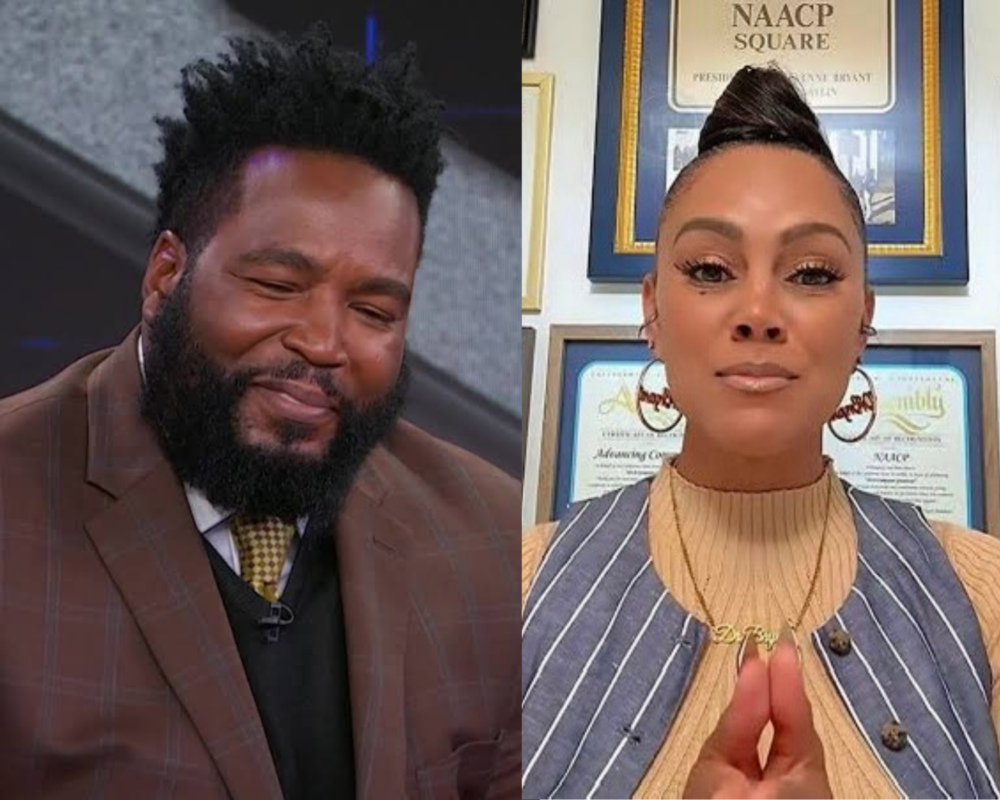


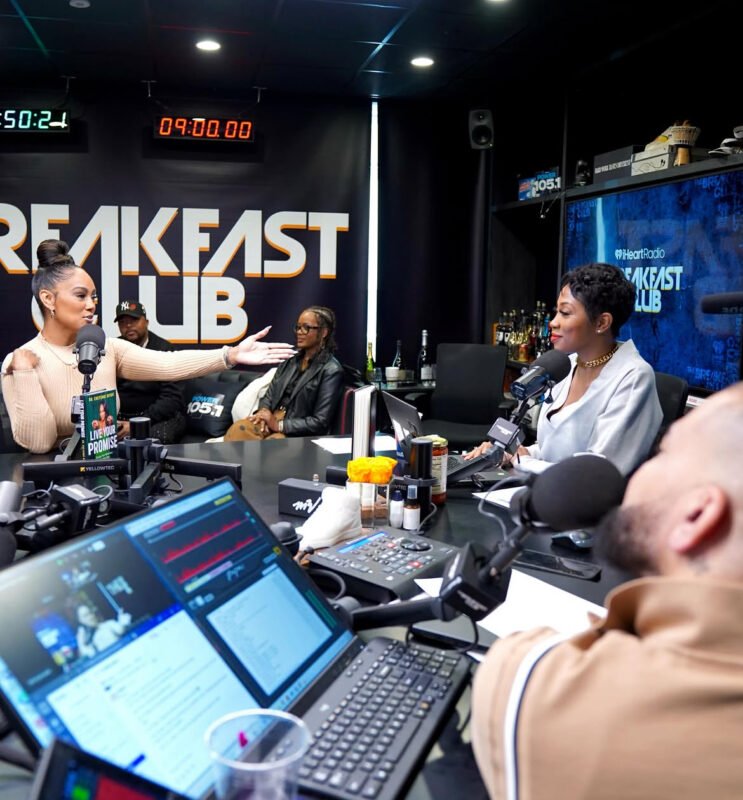
In a recent interview on The Breakfast Club, Dr. Cheyenne Bryant responded to public discussion and online questions regarding the availability of her dissertation and broader concerns about her academic credentials.
Bryant said she wanted to address the matter “clearly and once,” explaining that she attended Argosy University and completed her doctoral program there. She noted that years after graduating, when she needed her official transcripts, she discovered the university had closed.
According to Bryant, she later learned that a third-party records custodian had been assigned to manage student documents following the school’s closure. However, she stated that academic records are only retained for two years. By the time she requested her transcripts for employment purposes, she said she was outside that retention window.
Bryant also shared that she contacted financial aid and confirmed that her academic history remained reflected in her educational record. She added that she was offered a refund, but declined, explaining that accepting it would have meant removing acknowledgment of the academic work she had already completed.
Bryant stated that she was able to download her transcripts from the student portal before access was discontinued. As a result, she said she still retains documentation from her academic journey, including materials connected to her dissertation work.
She emphasized that other former Argosy University students have faced similar challenges following the institution’s closure and its records retention policies. In her view, the issue stems from the school’s shutdown and administrative processes rather than the students.
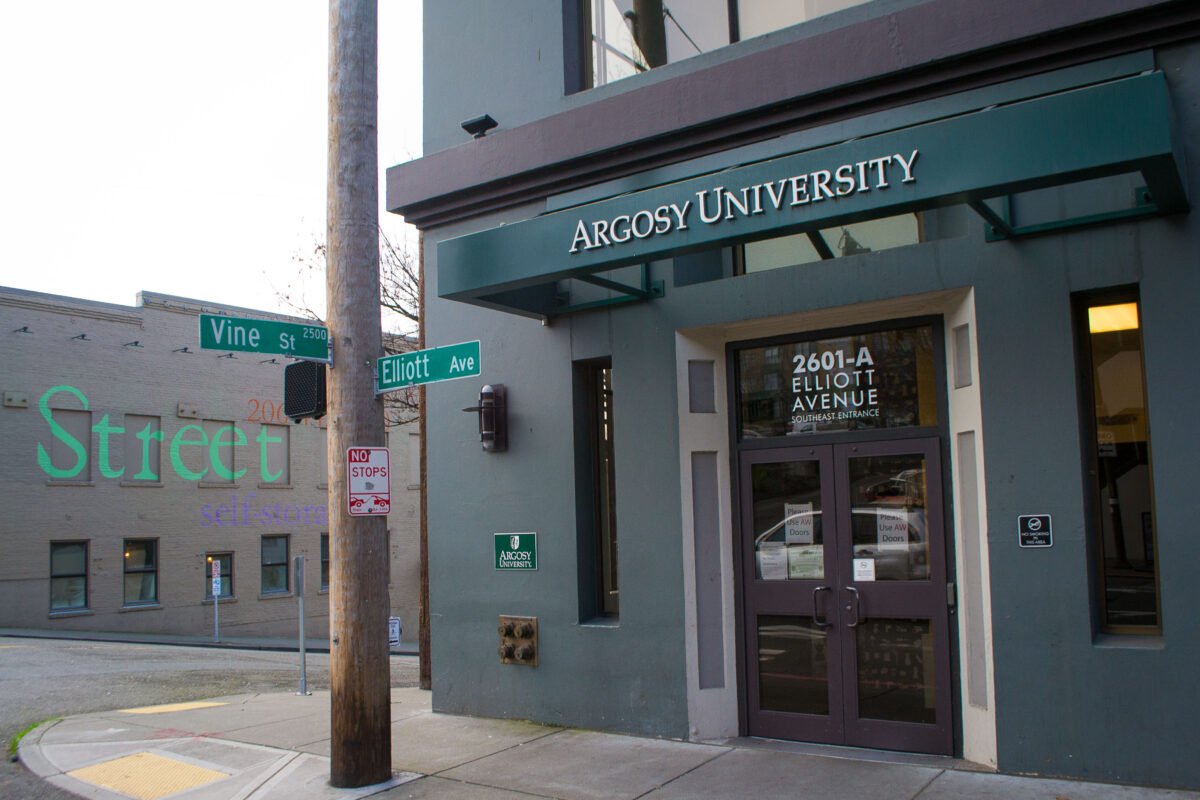
According to her website, she stated that she pursued her Doctorate degree in Counseling Psychology at Argosy University. No public records details specific dates of her attendance.
Argosy University, founded in 2001, operated 24 campuses across the United States, including online programs. The institution closed in February 2019 after the U.S. Department of Education cut off Title IV federal student aid amid financial and regulatory issues, including allegations of financial mismanagement, unpaid obligations to students, and operational failures under its parent company, Dream Center Education Holdings (DCEH).