

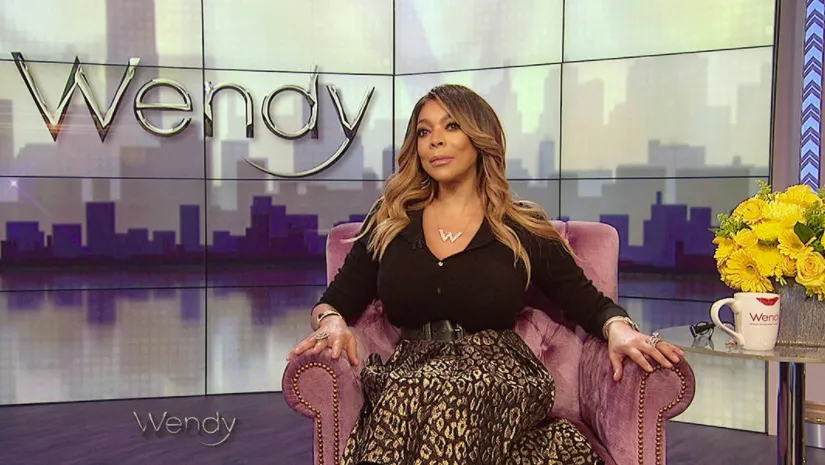
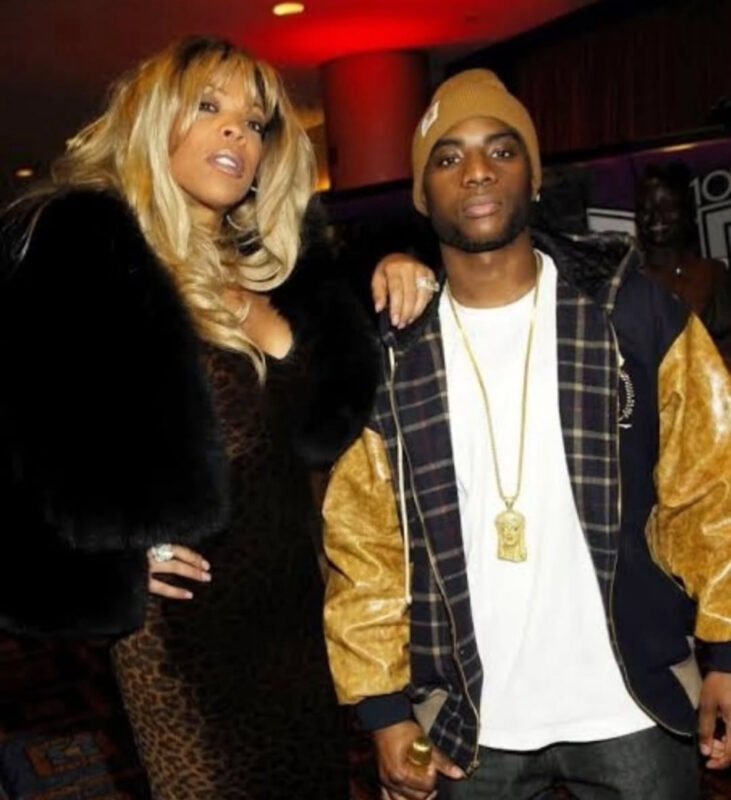
During a recent episode of the Brilliant Idiots podcast, hosts Charlamagne Tha God and Loren LoRosa recalled a private dinner they had with Wendy Williams about a year and a half ago. The topic arose while the hosts were discussing the high earners on Forbes’ top podcasters list. Charlamagne reflected on those podcasters’ success who also built their platforms by collaborating, taking him back to the early days of his career, when people were helping each other grow in what he calls “the come up.”
Charlamagne said he looks online and sees people constantly engaging in back-and-forth controversies, which he described as “goofy.” He explained that he has avoided conflict with people he hasn’t had a relationship with in the past 15 years, and he still does. He mentioned that critics may disagree by saying his approach is “shock jock” for views. While admitting he can still “be an a$$h0!e” if he wants to, he explained that doing things solely for clicks and views never felt good.
Charlamagne also acknowledged that there were times in his career when he did things for “clicks and views,” including the audio of Mayweather that he played [on the radio station]. For context, the 48-year-old is referring to the 2014 incident on Power 105.1’s The Breakfast Club, where he aired an audio clip of the boxer struggling to read.
The moment went viral during Mayweather’s public feud with 50 Cent, making the boxer the butt of jokes. Charlamagne expressed regret over the incident and apologized to Mayweather. The Moncks Corner, SC, native said that he can’t operate that way because “it doesn’t make him feel good.”
That realization brought Charlamagne back to their dinner, which he and LoRosa had with the 62-year-old former talk show host. He asked LoRosa to recall what the media icon had shared with them.
“She feels like everything she’s going through right now is God getting her back for all of the things that she said about people,” LoRosa recalled.
Charlamagne explained that Williams’ confession resonated with him as he re-evaluated his own career choices and the toxic pursuit of viral moments to rise to the top.
“That sh*t that Wendy Williams said to us at dinner is exactly where my energy was,” Charlamagne added.
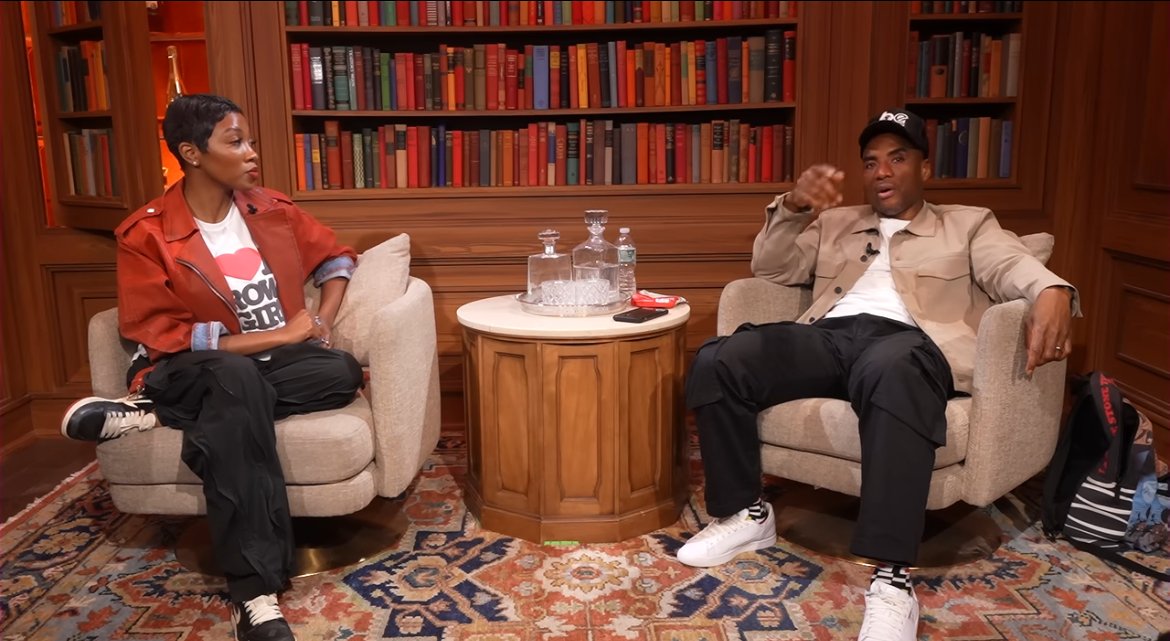
Co-host AlexxMedia provides a contrasting viewpoint to Charlamagne, noting that it is easier for him to say that now that he has achieved financial success. He pointed out that up-and-coming creators often feel pressure to engage in sensationalized behavior as part of their “come-up.”
Williams built her empire on unfiltered, cutthroat commentary about celebrities’ private lives – first on radio, then on television. Her career was defined by moments of high-stakes friction, including revealing sensitive personal information on air, such as the controversial disclosure of Method Man’s wife’s cancer diagnosis before the family had publicly shared the news.
She also faced industry pushback from artists, including long-standing claims that Sean “Diddy” Combs was responsible for her departure from Hot 97 after she discussed his personal life and sexuality—claims Williams herself reportedly confirmed. She also engaged in tense, high-profile feuds and exchanges with stars such as the late Whitney Houston.
Even on television, Williams found herself at odds with celebrities, including North Carolina natives Fantasia Barrino Taylor and Tabitha Brown. The American Idol winner famously confronted Williams in 2011 during a phone call while Williams was taping her live show, pushing back against the host’s discussion of her personal struggles and setting the record straight.
Williams also famously commented on Brown’s decision to support her husband’s retirement from the police force. Brown responded with a widely publicized video explaining their marriage agreement and why she chose to support her husband’s retirement, emphasizing that it was a mutual understanding. She also offered a gentle and compassionate prayer for Williams, expressing hope that she would find true love and peace.
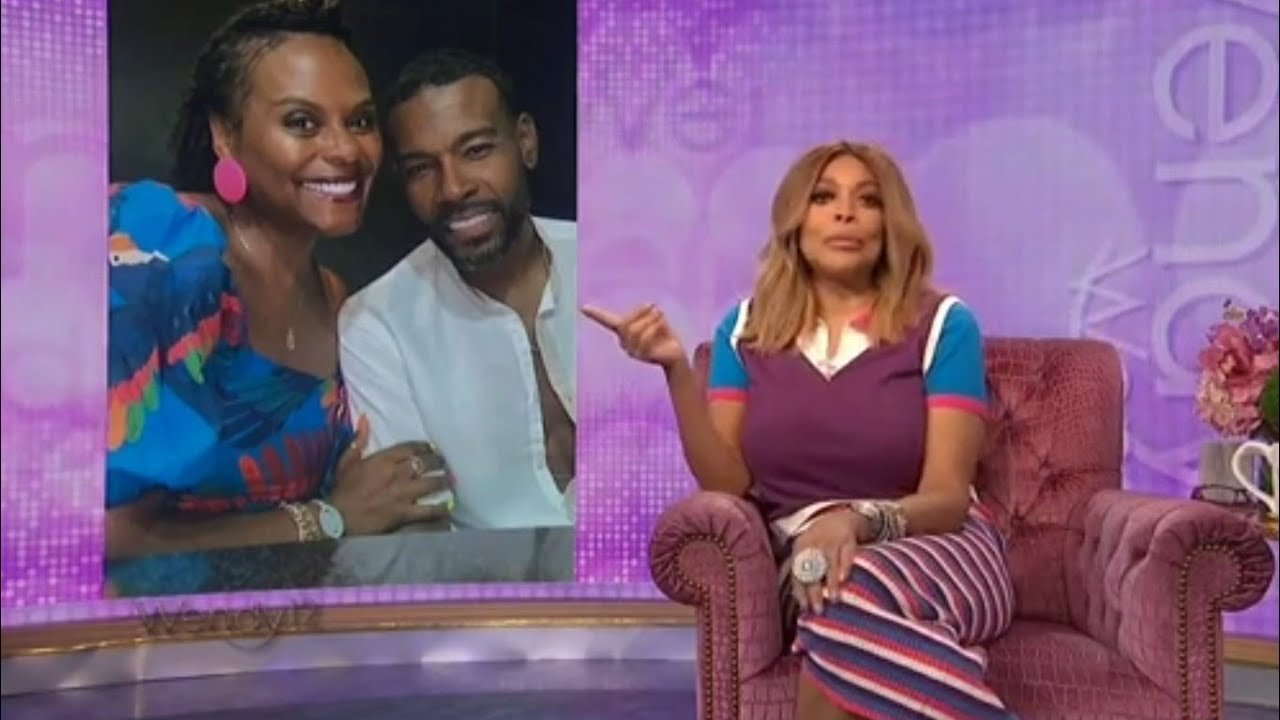
Since then, internet conspiracy theorists and pop-culture fans have frequently referenced the so-called “Tabitha Brown Prayer,” joking and speculating that Williams’ public trajectory changed after Brown’s response and as Williams’ personal struggles later became public.
Despite her controversial style, Charlamagne praised Williams’ talent, recalling her ability to anchor a four-hour solo radio show without missing a beat, a skill he described as rare.
As Williams continues to navigate a restrictive, highly publicized financial and personal guardianship, her health battles and bad luck force a look back at her legacy, the ethics of shock-jock journalism, and whether the harsh words used to build media empires carry a personal price in the latter stage of her life.