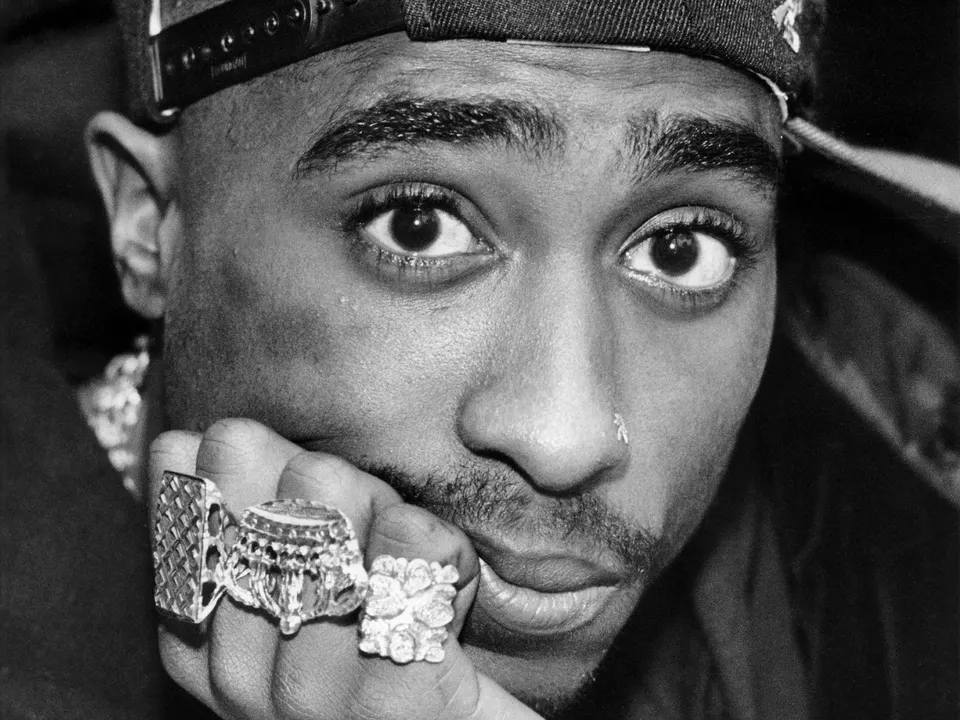

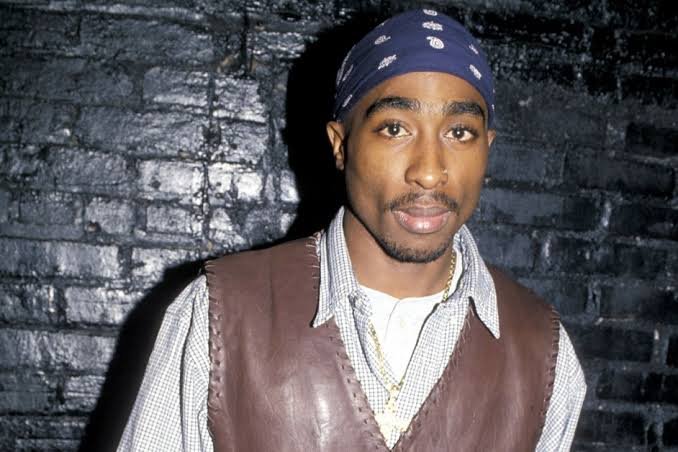
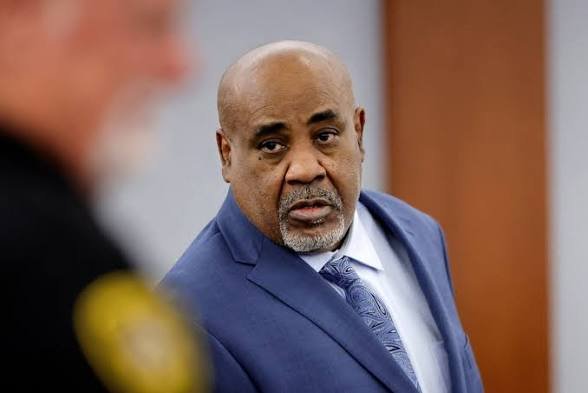
Graphic autopsy photos of hip hop artist, Tupac Shakur, were shown during the courtroom on Tuesday in the Las Vegas trial of Duane “Keffe D” Davis. Davis, a former street gang member of the South Side Compton Crips, is accused of orchestrating the 1996 drive-by shooting that killed the rapper.
Forensic pathologist, Dr. Lisa Gavin, used the photos to show jurors the actual damage from the fatal shooting inflicted on the rap icon. She stated that Shakur suffered multiple gunshot wounds that damaged his lung, intestines, and other organs.
According to KBTX, Gavin was not the examiner of Shakur’s body but was called as a witness by the prosecuting team because the examiner, who performed the autopsy, has since died.
Some members of Tupac Shakur’s family stepped out of the courtroom during the presentation. While others, like Shakur’s cousin, Zayd Akinyela, remained to hear Dr. Gavin’s testimony. Akinyela said seeing the details was painful and left him angry, but also helped him properly process his grief after nearly three decades of unanswered questions.
“A lot of people don’t get to grieve until they understand what happened to their loved one and how it happened. That’s why I wanted to stay and just see for my own personal closure,” he told The Associated Press (AP) outside of the courtroom.
Jurors were also shown surveillance footage of the fight at the MGM Grand involving Davis’ nephew, Orlando “Baby Lane” Anderson, who is now deceased, and Shakur’s entourage hours before the shooting.
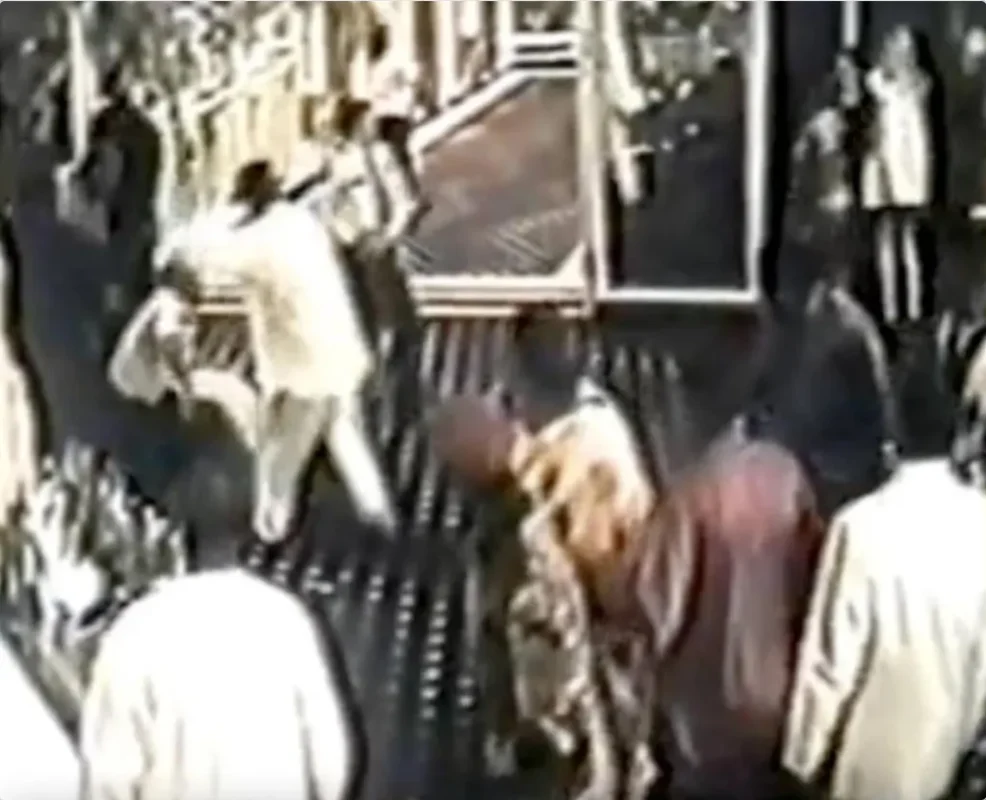
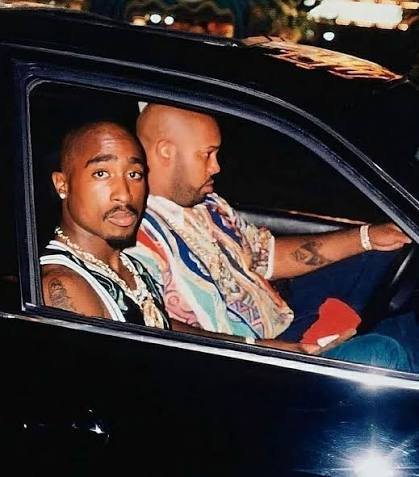
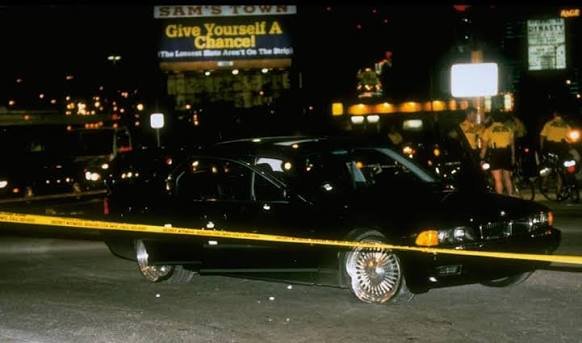
Photos showing the final days of Tupac Shakur before his tragic death, including survellance footage of him and a entourage attacking Orlando “Baby Lane” Davis and a photo of him in the car with Death Row Records co-founder, Marion ‘Suge’ Knight; Photo Credit: KLAS-TV, Leonard Jefferson
Anderson allegedly ambushed and robbed a Death Row Records employee, Trevon Lane, at a local shopping mall, according to ABC 7 New York. On September 7, 1996, Shakur and his entourage confronted Anderson and attacked him out of retaliation for the robbery. Davis reportedly admitted in a confession tape that his nephew, Anderson, was the gunman who fatally shot Shakur. Prosecutors allege Davis was inside the white Cadillac from which the shots were fired, but he is not accused of being the gunman.
Davis, 63, has pleaded not guilty to murder with a deadly weapon with the intent to promote, further, or assist a criminal gang. If convicted, he faces life in prison.
Former Death Row security officer Reggie Wright Jr. also testified during the trial, discussing the growing rivalry between Death Row Records and Sean “Diddy” Combs’ Bad Boy Records—denying any involvement in Shakur’s killing.

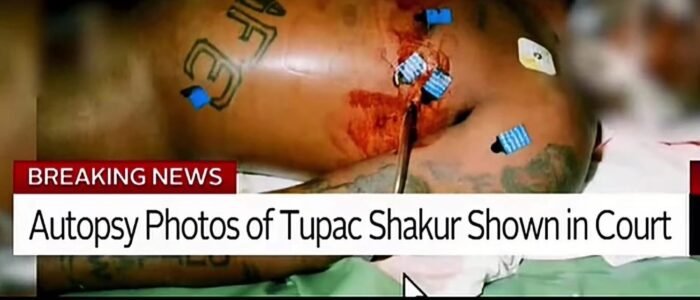
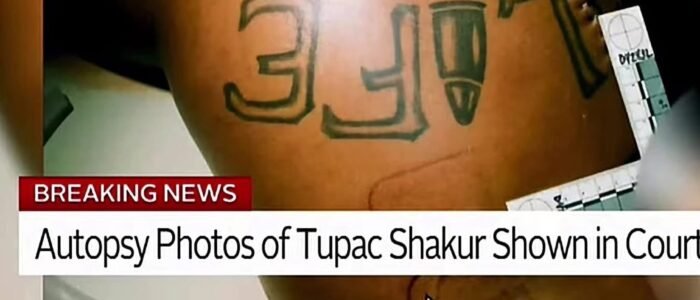
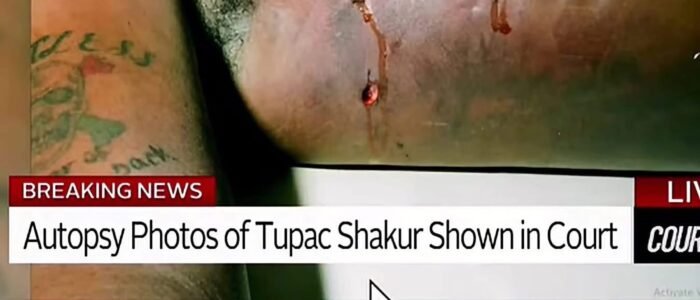
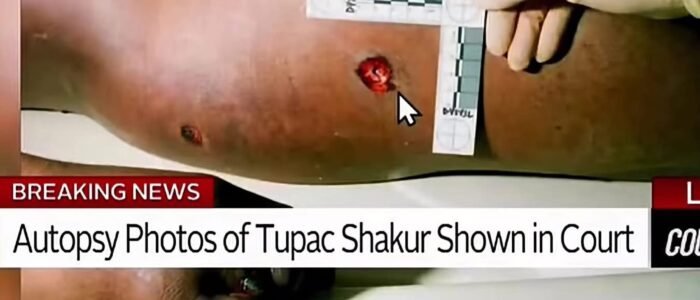
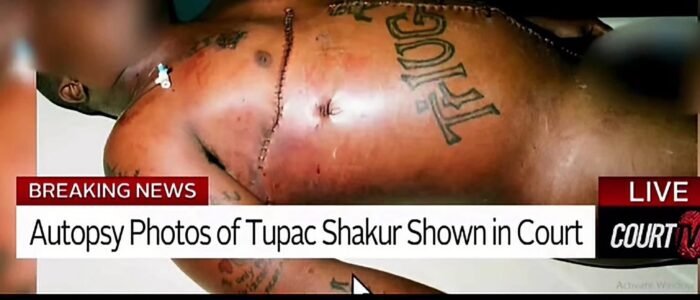
Photo Credit: Clark County Medical Examiner’s Office
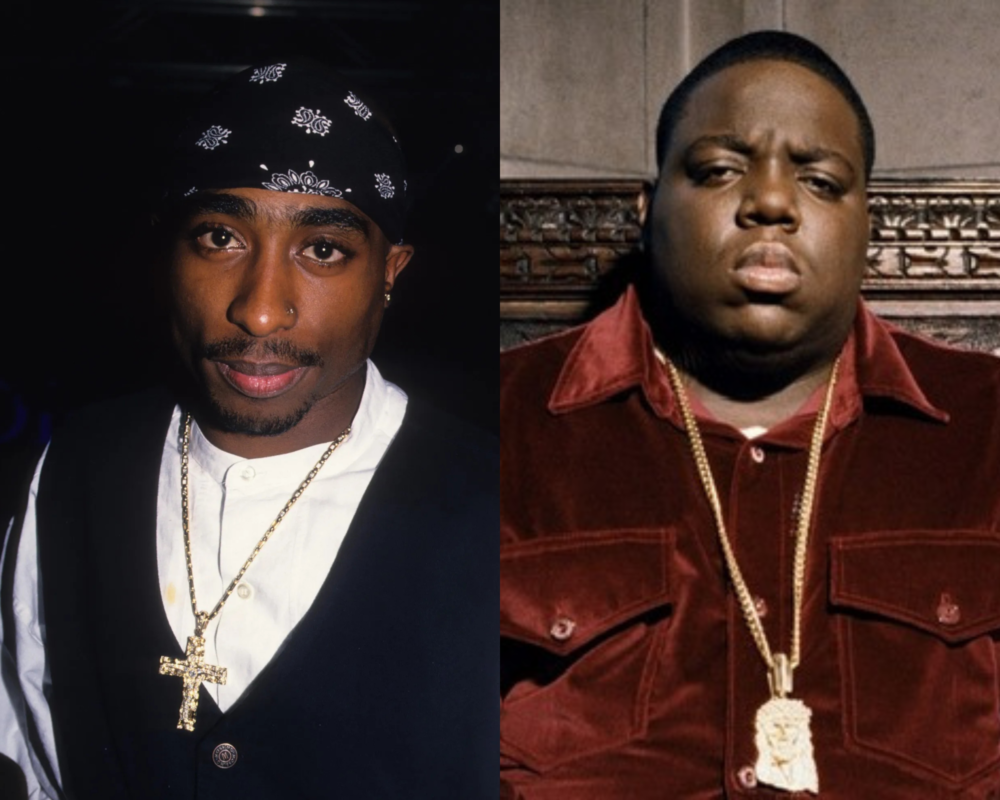
Wright Jr., a former Compton police officer, owned a security company that was contracted by Knight’s Death Row Records after Shakur released the video “Hit Em Up,” according to KBTX News. He detailed the tension that had grown between the label and Sean “Diddy” Combs’ Bad Boy Records, and he had to double up on the rapper’s security guard after the video release. ‘Hit Em Up,’ was a vicious diss track, aimed at the Notorious B.I.G., which furthered the tension of the East Coast versus West Coast rivalry. The Notorious B.I.G. died six months after Shakur, with his case also remaining unsolved since March 1997.
Wright Jr. testified that Tupac Shakur was scheduled to perform at Club 662 following the Mike Tyson fight on the night he was fatally shot in Las Vegas, according to KSNV News. Wright also testified about the security surrounding Shakur and the Death Row entourage that night, the news outlet reports.
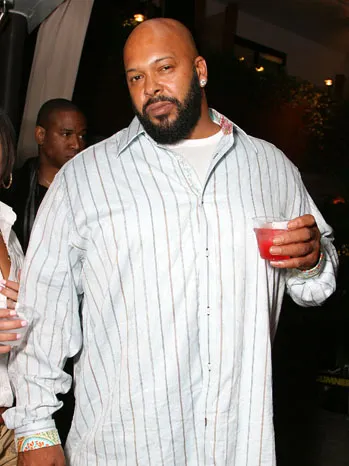
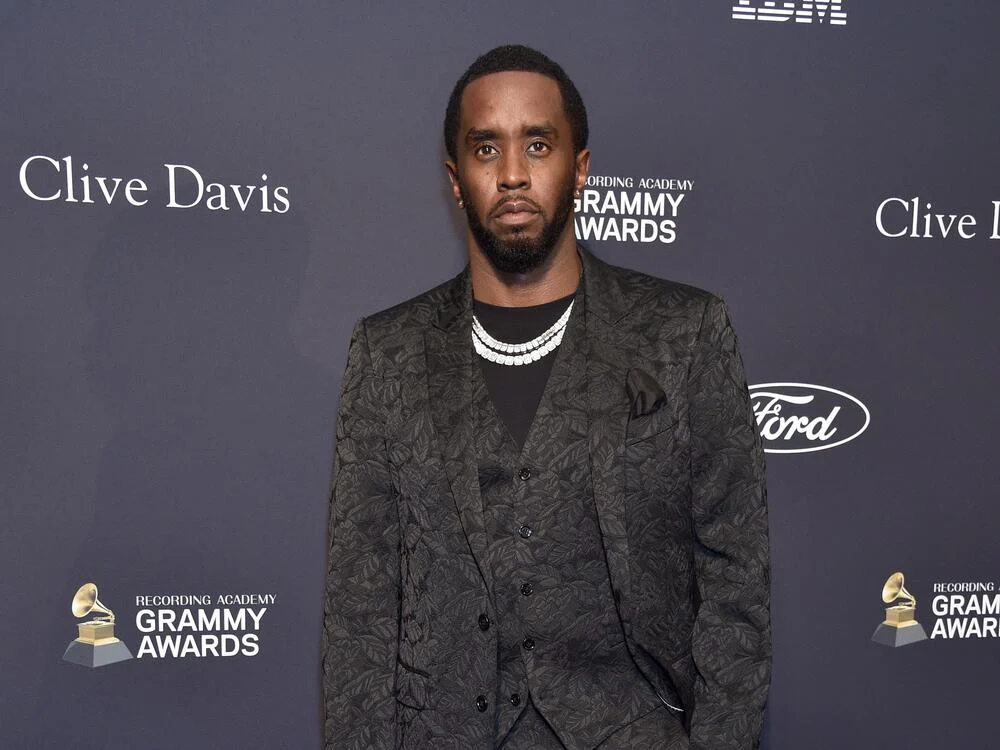
L-R: Marion “Suge” Knight, co-founder of Death Row Records, and Sean “Puff Daddy” Combs, founder of Bad Boy Records, were two of the most prominent record executives associated with the 1990s East Coast–West Coast hip-hop rivalry; Photo Credit: Getty Images
Almost 30 years after Tupac’s death at age 25, mysteries still surround the circumstances of his passing, and many wonder if it will ever be considered a cold case as the days continue to pass since his death on September 13, 1996. Three of the four suspects in the white Cadillac that shot Shakur are dead, with Davis the only survivor.
As the trial continues, will the trial bring more “truth to the light” testimonies that would give the late rapper’s family closure after almost 30 years of unanswered questions?