

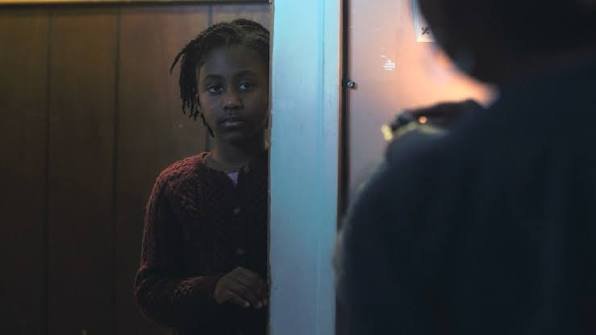
A story that began inside a Michigan prison classroom is reaching audiences across the country. Basement People, a roughly 20-minute short film released this year, is garnering attention at film festivals nationwide for its awareness of the dynamics of unaddressed mental health, family dysfunction, poverty, and generational trauma in Black families.
The screenplay was written by Kyale Akeem Williams, an incarcerated student at the Richard A. Handlon Correctional Facility in Ionia, Michigan, through the Calvin Prison Initiative (CPI). CPI is a partnership between Calvin University and Calvin Theological Seminary that provides incarcerated individuals with access to advance their education.
The film was produced by A Salted Luminescence Production, and directed by Christine Swanson, known for directing films like Lifetime’s The Clark Sisters, Albany Road, and Woman Art Thou Loosed. Swanson also directed an episode for P-Valley, BMF, All American, and Bel Air.
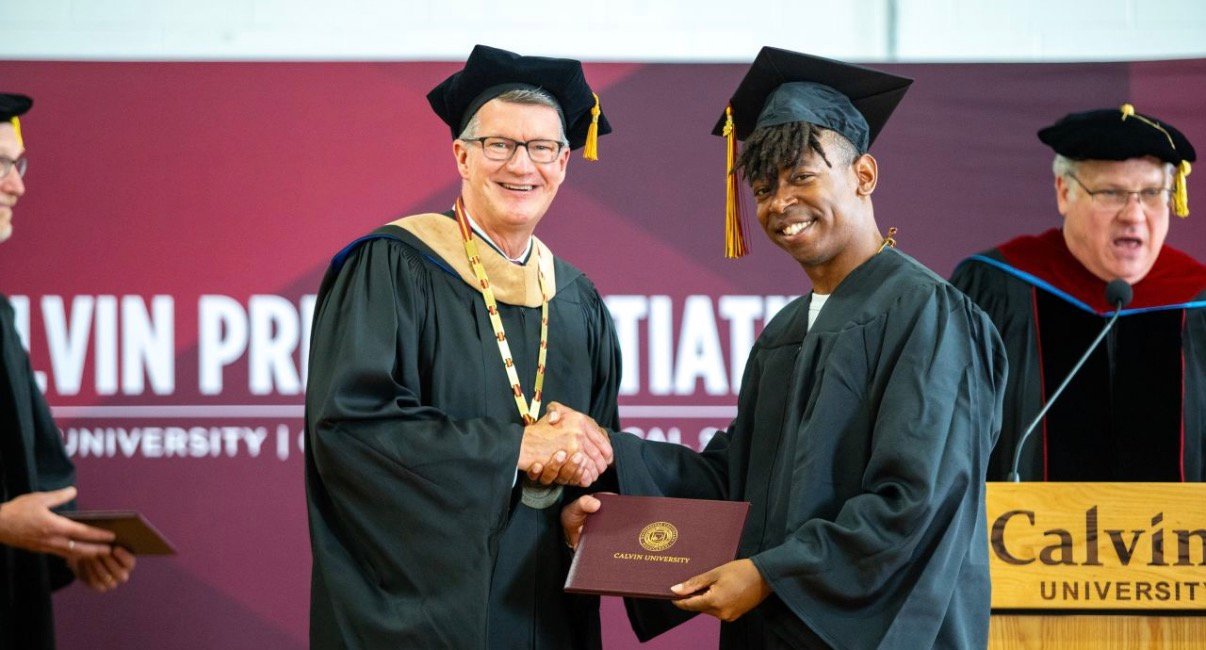
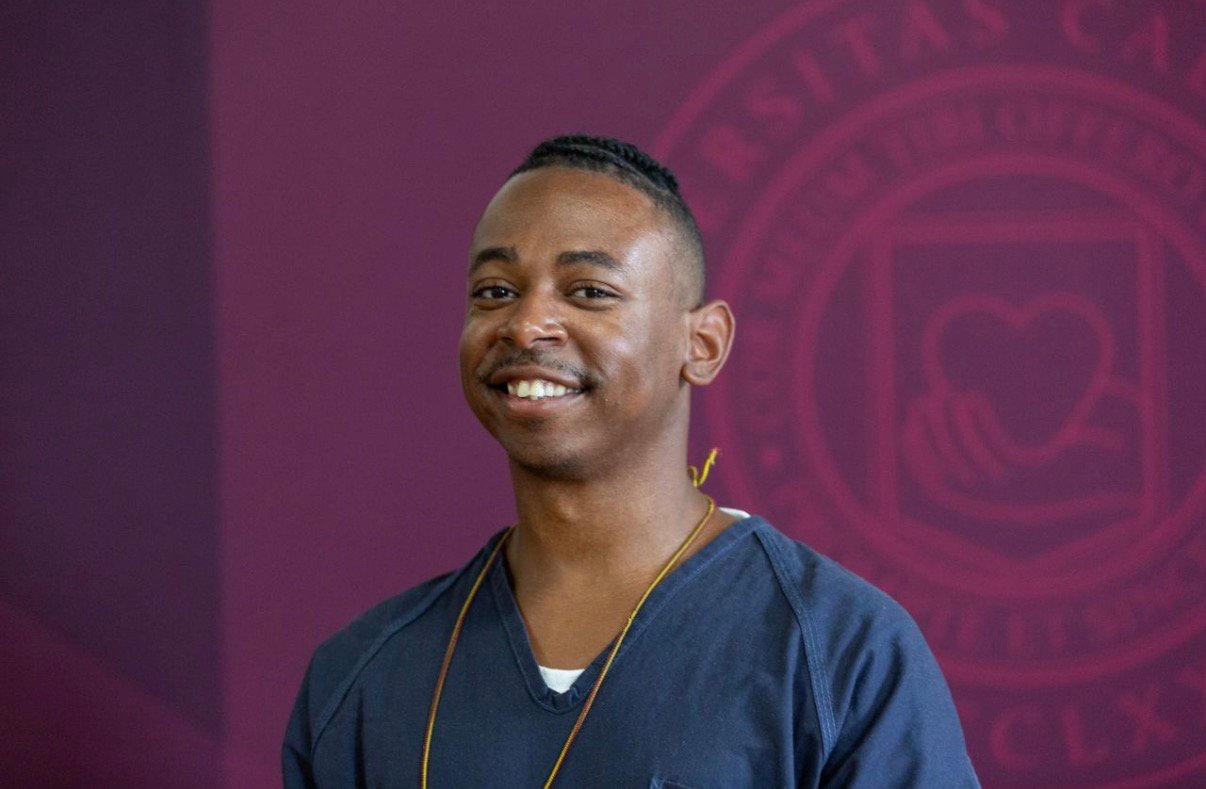
Screenwriter of Basement People, Kyale Akeem Williams; Courtesy of Calvin Prison Initiative
The film features Sage Oriel Ward (Tina), Tonya Baltimore (Tina’s mother), Marcus LaRon (Keith), Aiden Barns (Brandon), Jacky Clark-Chisholm (Tina’s grandmother), Milauna Jackson (Aunt Kee Kee), and Deborah Joy Winans (Anya), among the cast members featured in the short film.
Exploring Mental Health and Generational Trauma
The film centers on the complex relationship between a young girl, Tina, and her reclusive auncle, Keith, and their existence in their environment surrounded by chaos. The story offers a glimpse into what happens when mental health struggles are left untreated, family dysfunction remains unresolved, and poverty contributes to circumstances that can leave individuals trapped in cycles of dysfunction. It also explores how these circumstances can create a domino effect, influencing relationships, contributing to isolation, and how unresolved pain can affect the way families communicate, cope, and function.
At the heart of Basement People is Tina, whose experiences reveal the impact that family dysfunction and how untreated mental health struggles can have on children.
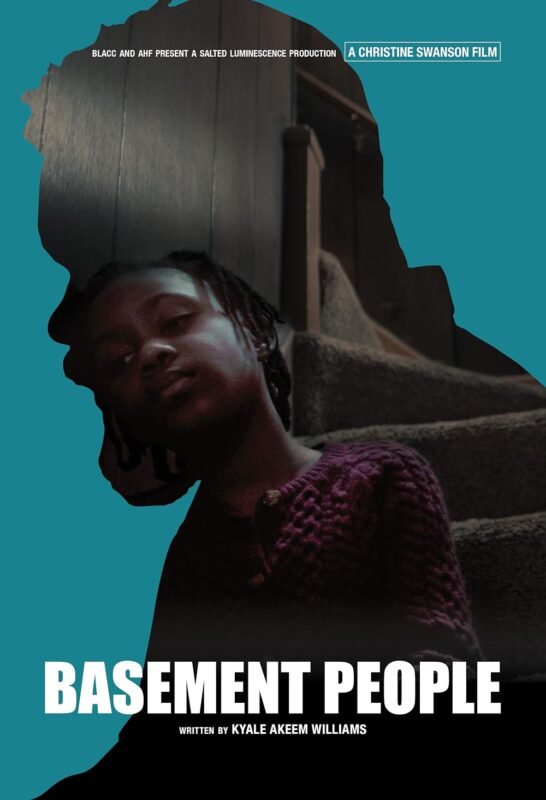
Her relationship with Keith provides another perspective on mental health challenges, encouraging viewers to look beyond outward behavior and consider the pain, circumstances, and experiences that may exist beneath the surface.
Growing Popularity at Film Festivals
Since its production, Basement People has continued to reach audiences through film festivals such as the 2026 International Black Theatre Festival in Winston-Salem, North Carolina; the 30th American Black Film Festival in Miami Beach, Florida; the Black Girl Film Festival in Charlotte, North Carolina; the 2026 Roxbury International Film Festival lineup in Boston; the Detroit Film Festival; and special screenings across the country.
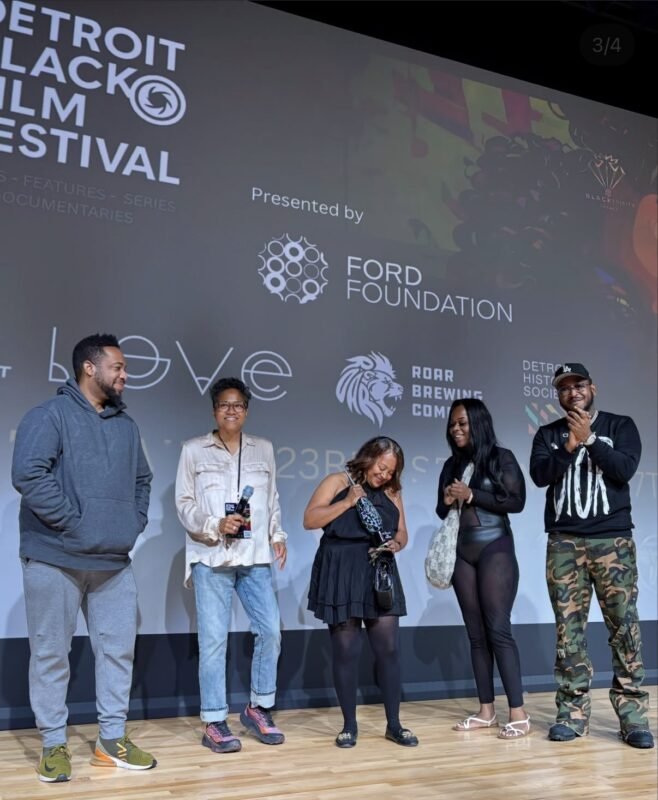
In addition, Basement People received award recognition at the Detroit Film Festival, winning the Best Short Film, and at the Martha’s Vineyard African American Film Festival, where it was named Best Short Film, making the film qualify for Oscar eligibility.
The Director’s Feedback of the Film
During a fireside chat with moderator, Francene Marie (syndicated radio host), at the Black Girl Film Festival in Charlotte this past summer on June 27th, director Swanson spoke about the importance of viewing the characters and their circumstances through a broader lens rather than simply sympathizing with Tina.
The award-winning director shared that the writer encouraged viewers to have compassion for everyone in the household and recognize that each person may be dealing with some form of trauma, noting qthat trauma can cause people to become loud, vociferous, aggressive, hateful, quiet, or isolated.
Swanson also reflected on how mental health was viewed in previous generations.
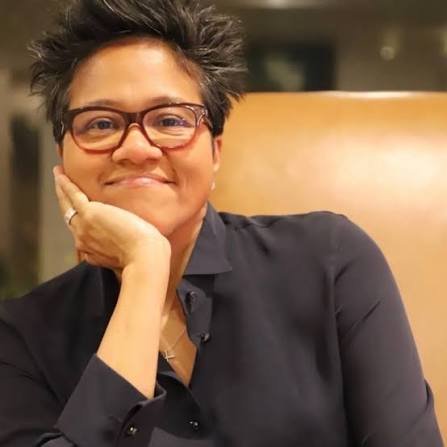
“In my generation, we didn’t go to therapy. We just called them people crazy,…..but were they?” she said, questioning the judgmental mindset of her generation toward individuals struggling with untreated mental health issues.
Her comments highlighted the intergenerational stigma surrounding mental health and the taboo, especially in the Black community, that has historically existed around those brave enough to seek help.
Swanson also discussed the different directions mental health struggles can take a person when they are not addressed. She pointed to the main character as an example of how someone could potentially channel difficult experiences into something creative, while another person could experience a very different outcome, potentially becoming involved with the criminal justice system.
Her message emphasized that mental health can influence the direction of a person’s life in both positive and negative ways, depending on how people choose to address those challenges.
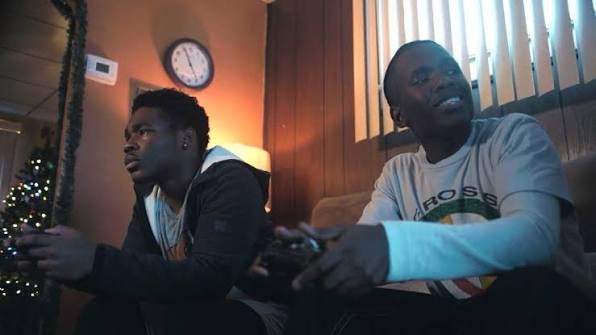
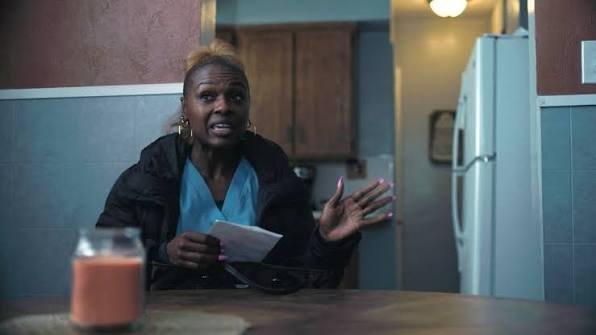
Supporting cast members from left to right in the short film, Basement People – Aiden Barns, Bryson Steen, and Deborah Joy Winans; Photo Credit: Richard J. Vialet
Swanson also described the film’s story as resembling “another Tuesday” in her hometown of Detroit, while emphasizing that these circumstances were considered normal but should not simply be normalized.
The film creates meaningful stories through the visual lens while raising awareness on issues affecting the Black community.
At its heart, the film encourages audiences to look beyond what they see on the surface and consider the stories, struggles, and humanity that may exist underneath and the possibility of breaking destructive cycles.