

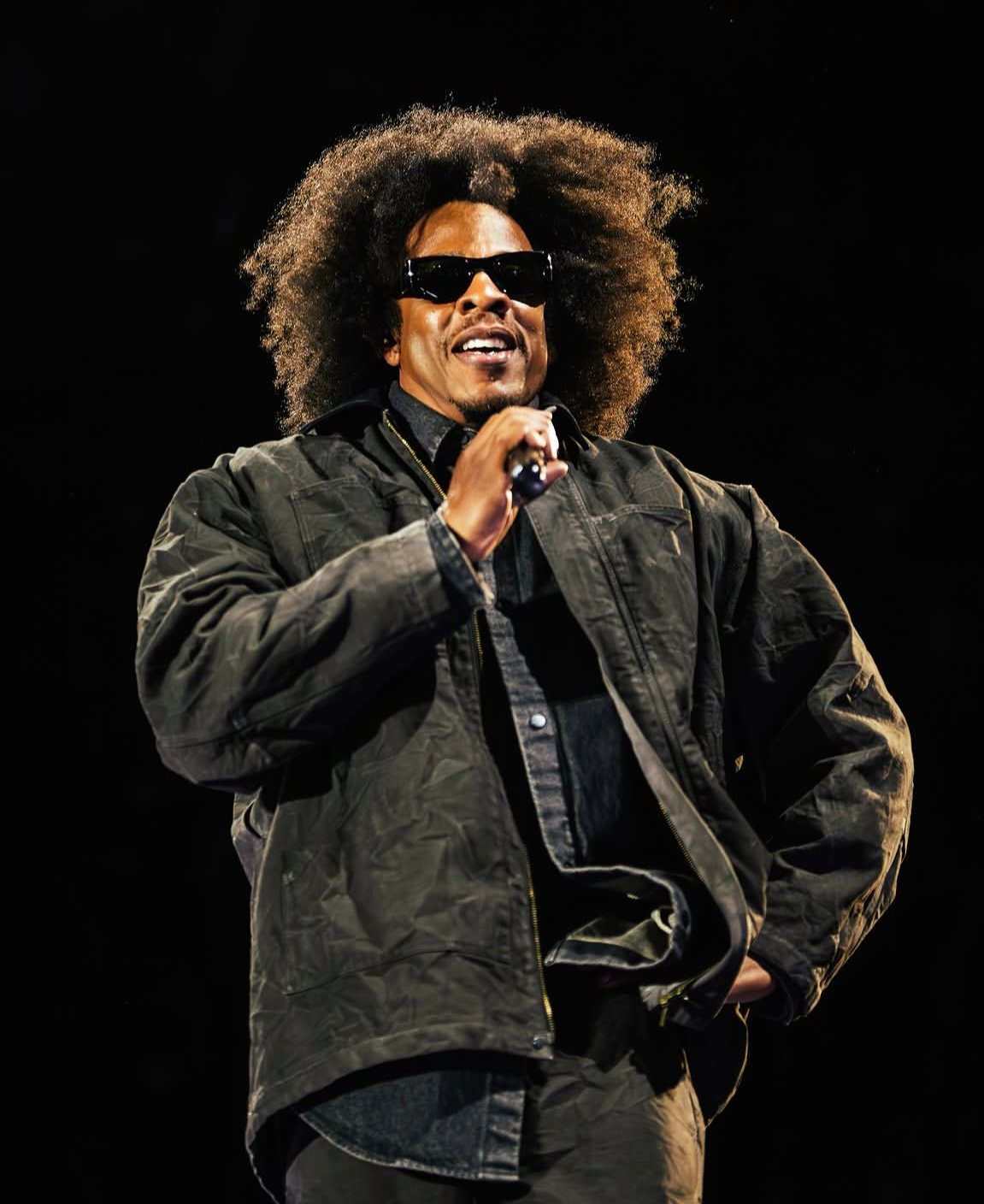
JAŸ-Z’s hairstyle at last weekend’s Roots Picnic had social media buzzing. To me, I saw something deeper. JAŸ-Z’s natural hairstyle evoked the spirit of “The Black is Beautiful” movement of the 1960s and 1970s, symbolizing Black self determination, cultural pride, and freedom. Combined with his onstage freestyles, targeting artists like Drake and Nicki Minaj, the moment for the “Reasonable Doubt” rapper felt like an expression of authenticity and self-expression.
The Black Is Beautiful movement emerged during the Civil Rights Movement and carried over into the 1970s. Promoted by activists, artists, scholars, and everyday Black Americans, the Afro along with the dashiki encouraged Black people to embrace their natural features, cultural heritage, and identity at a time when Eurocentric standards of beauty dominated American society. The Afro represents a slogan of self-acceptance and resistance to the pressures of assimilation. It became associated with Black pride, liberation, and a rejection of the notion that Black people needed to alter their appearance to gain acceptance.
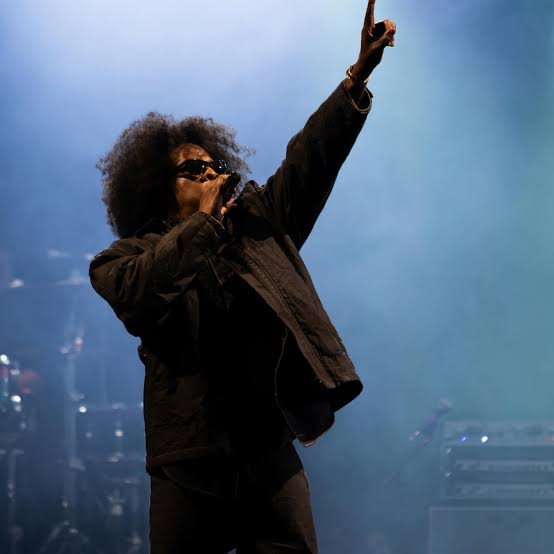
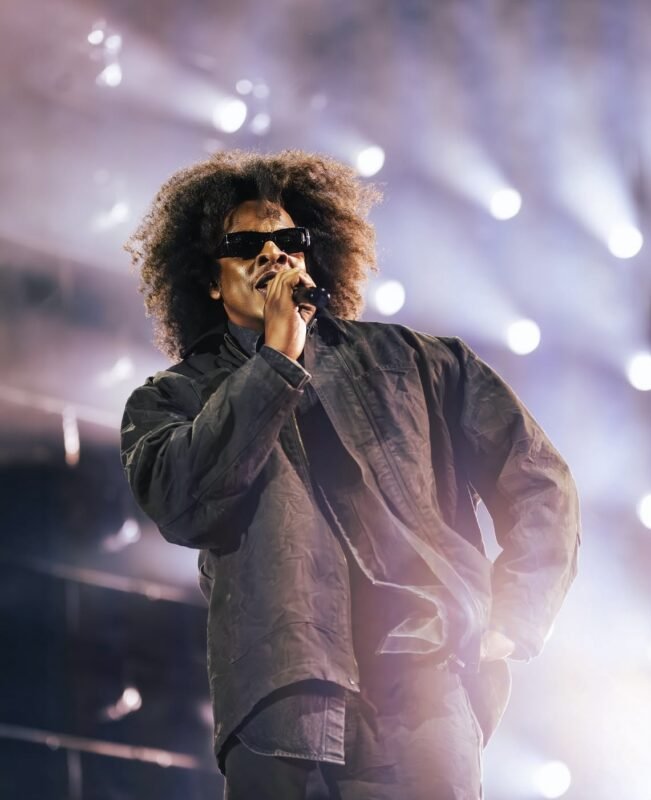
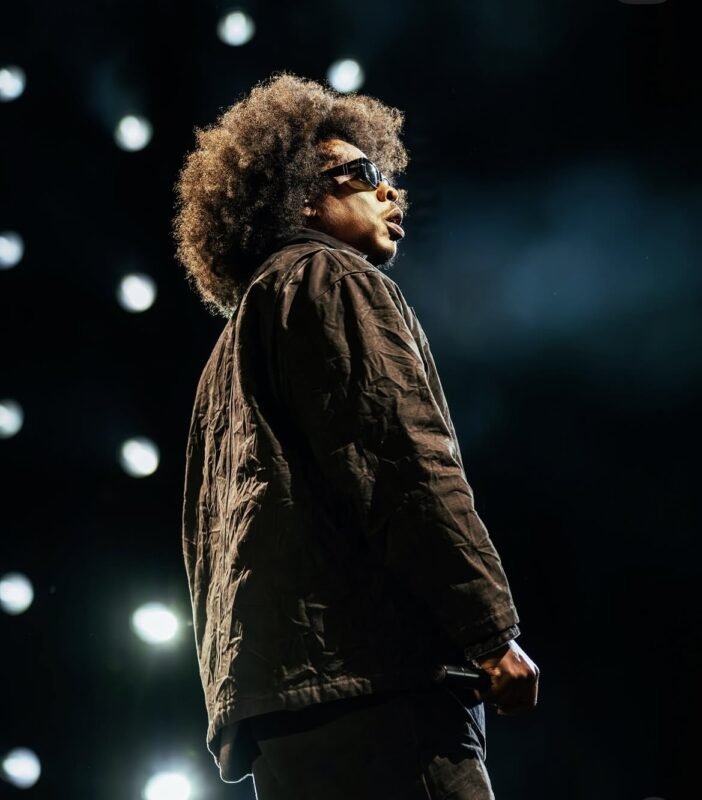
Images of JAŸ-Z at the Roots Picnic in Philadelphia – Saturday, May 30, 2026; Courtesy of Roc Nation
By the late 1960s, the Afro had become one of the most recognizable visual expressions of Black pride and diasporic identity. It reflected a growing movement that challenged long-standing racial hierarchies and celebrated Blackness on its terms.
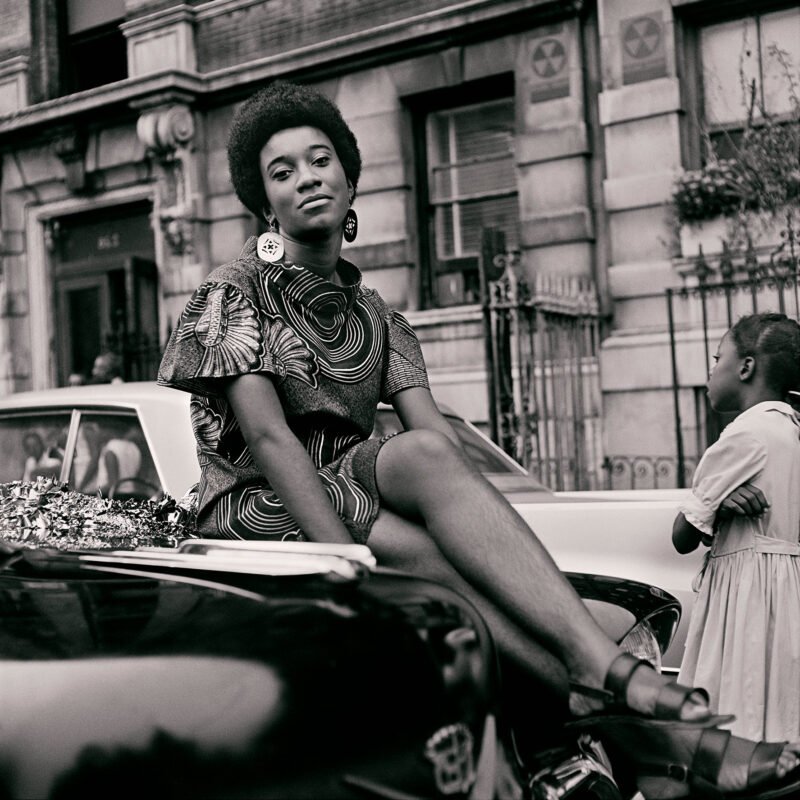
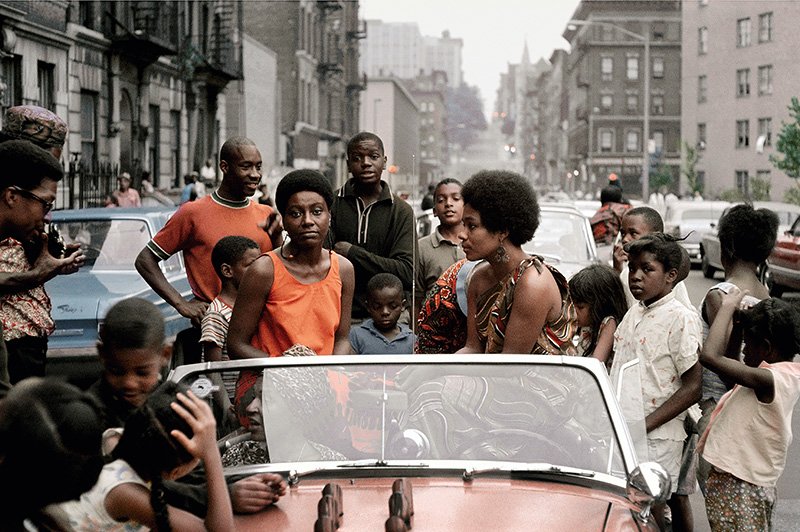
Images of The Black is Beautiful Movement from left to right: 1968 image of a black woman posing while sitting on top of a vehicle; and Grandassa Models posing at the Garvey Day Parade in Harlem in 1965; Photo Credits: Philip Martin Gallery Los Angeles
The afro went on to evolve from a hairstyle into a powerful political and cultural symbol. Activists, artists, and public figures, including members of the Black Panther Party and scholar-activist Angela Davis, embraced the hairstyle. Notably, in 1969, the year JAŸ-Z was born, Angela Davis addressed the UCLA Black Student Union amid controversy surrounding her political beliefs and activism. Speaking to a generation demanding social change, she declared, “I had not realized that beauty was a political act. But it is.”
Viewed through that historical lens, JAŸ-Z’s appearance at the Roots Picnic felt symbolic. His natural hairstyle recalled an era in which Black identity, self-definition, and cultural expression were at the forefront of public life. There is a fitting irony in the setting: at a festival called the Roots Picnic, the image of the ROC Nation founder seemed to evoke a return to his roots on the public music stage in a cultural and historical way.
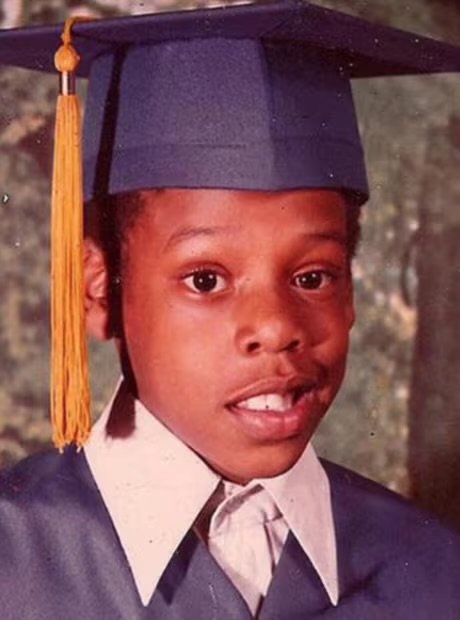
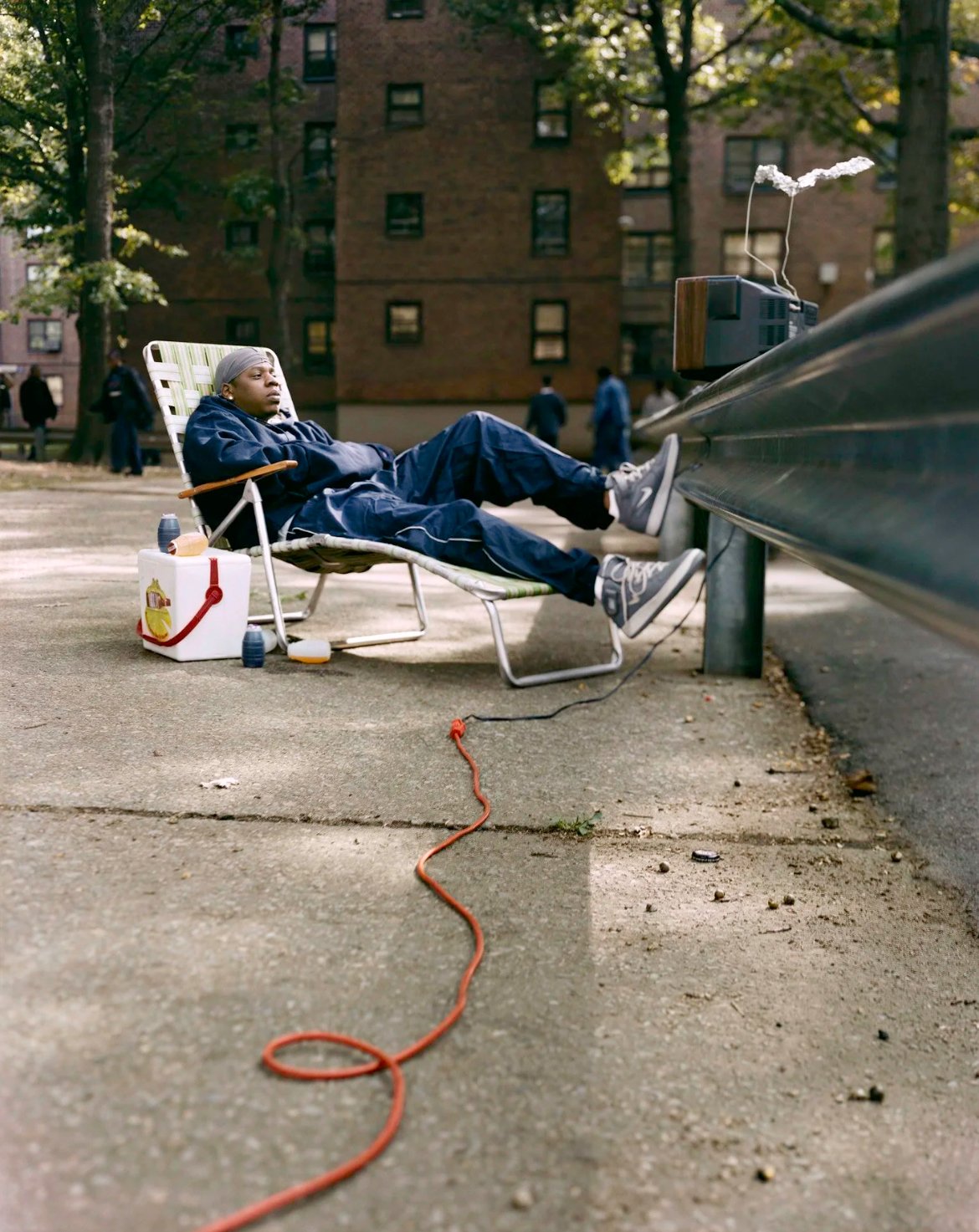
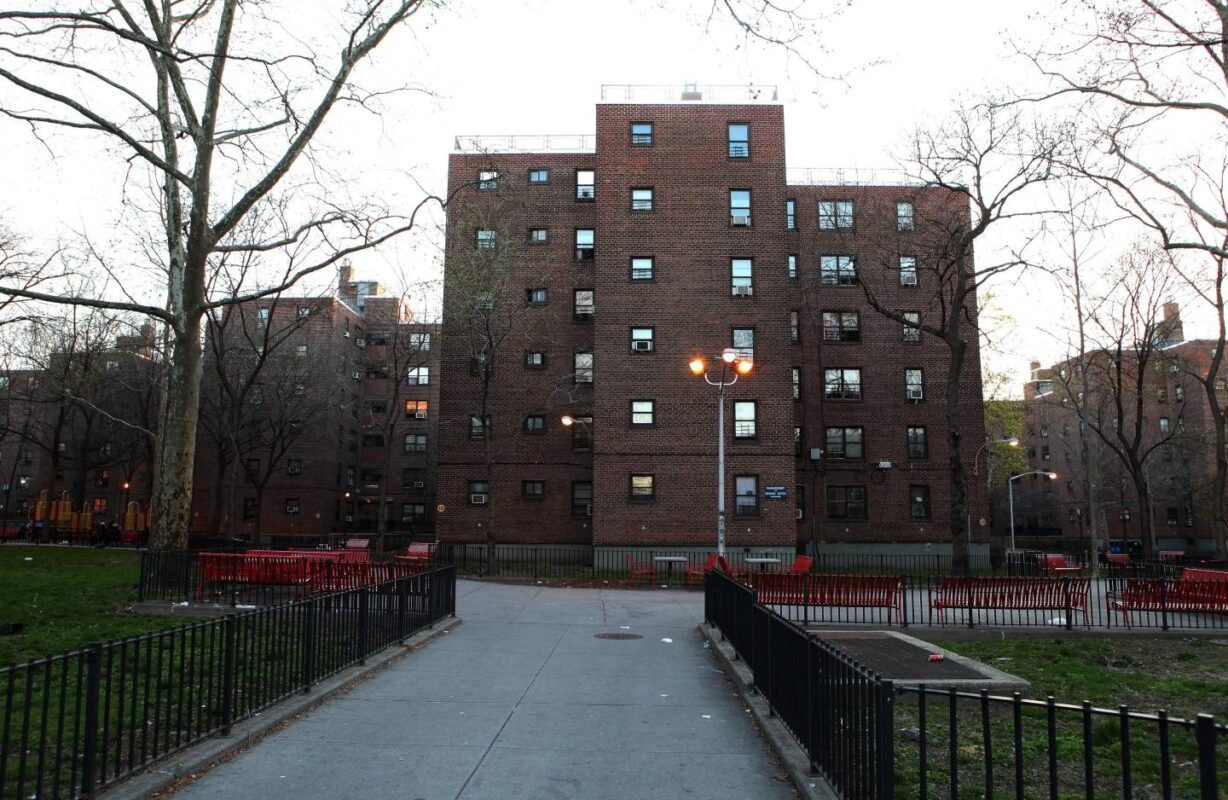
JAŸ-Z, whose birth name is Shawn Corey Carter, was born on December 4, 1969, to Gloria Carter and Adnis Reeves, and was raise in Brooklyn’s Marcy Housng Projects; Courtesy of Instagram, Photographer Chris Buck, Getty Images/Raymond Boyd
For someone born in 1969 and raised in Brooklyn’s Marcy Houses, the look can be read as a visual reminder of the era that shaped the world Shawn Corey Carter entered and his Black culture. It connected contemporary Black culture to a legacy of self-love, resilience, and pride that stretches across generations.
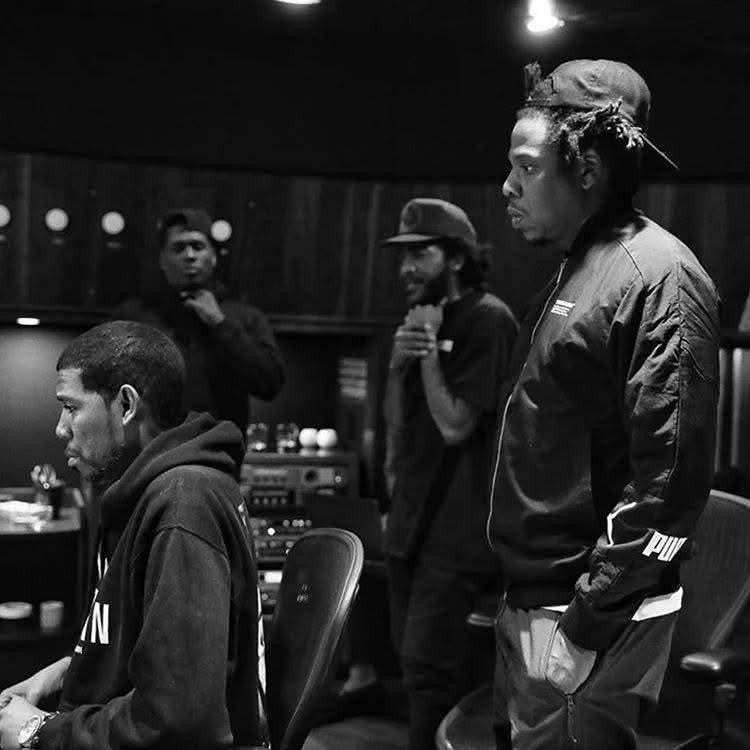
Over fifty years years since the peak of the Black Is Beautiful movement, the Afro continues to serve as a powerful emblem in black culture. Its importance goes far beyond mere style, embodying a legacy of empowerment, cultural validation, and a challenge to narrow beauty ideals. JAŸ-Z’s personal hairstyle statement resonated as a reflection of a broader historical and cultural story tied to his ROOTS.