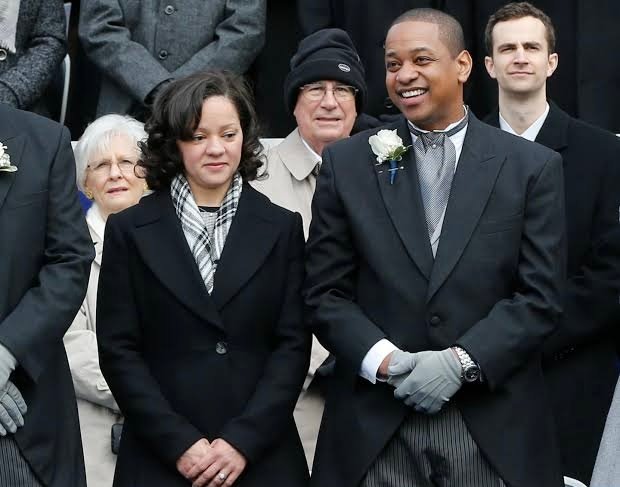

So far this year, several high-profile domestic violence cases have drawn national attention. Last month involved a dentist in Annandale, Virginia, by the name of Dr. Cerina Fairfax, who was killed by her estranged husband, Justin Fairfax, a former Virginia lieutenant governor, who later died by suicide while the children were in the home. Reports indicate the incident occurred during an ongoing dispute following her filing for divorce, with a court ordering him to vacate the home by the end of April, according to authorities.
Just when that news was fresh, another case out of Shreveport, Louisiana, involving a 31-year-old name, Shamar Elkins, who killed eight children (seven of whom were his own). Reports also indicated that his estranged wife, Shaneiqua Pugh, and other victims sustained injuries. She was also divorcing him, and they were due in court the day after the tragedy.
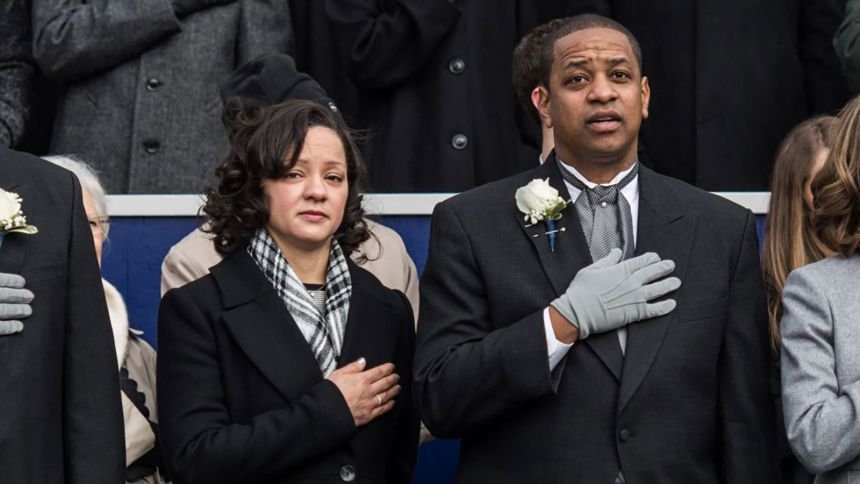
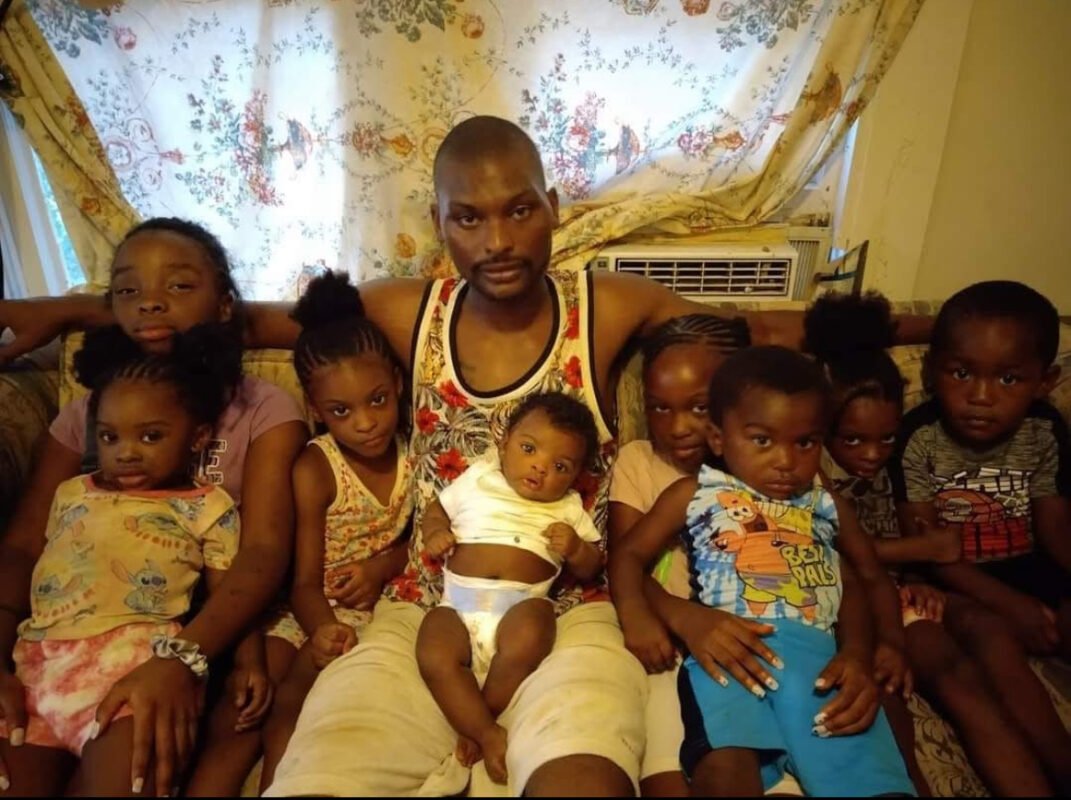
L-R: Dr. Cerina Fairfax and Former Lt. Governor, Justin Fairfax, during his 2018 inauguration at the Virginia State Capitol in Richmond, VA – Photo Credit: Salwan Georges/The Washington Post; and Shamar Elkins, the suspect in the Shreveport, Louisiana shooting died during a police pursuit after he killed eight children, including seven of his children, and injuring his estrange wife – Photo Credit: Facebook
These tragic incidents, along with other highly profiled femicide news, have reignited conversations around domestic violence, control, and shifting gender dynamics. Once upon an “ancient Babylonian” time, under patriarchal systems that were deemed traditional, men had more flexibility that leaned more into their favor versus women when it came to marriage. For instance, under the Code of Hammurabi’s family law (Law 148), a man could marry another wife if the first wife became ill, as the law describes with a self-afflicted skin disease, all while staying in the marriage with the first wife, who may also live in the household with him, supporting her as long as she’s alive. Women faced harsh punishment if they committed adultery, such that the woman and the party involved in the act would be tied and thrown into the water, per Law 129. The husband could also pardon his wife and the other party in adultery, if needed. Another law to highlight under the Code of Hammurabi is that women weren’t able to have everything if they got divorced from their husbands, which would allow the husbands to protect their assets while establishing another family unit.
Note: The ancient Babylonian monument of the Code of Hammurabi laws is housed in the collection of the Louvre Museum in Paris, France.

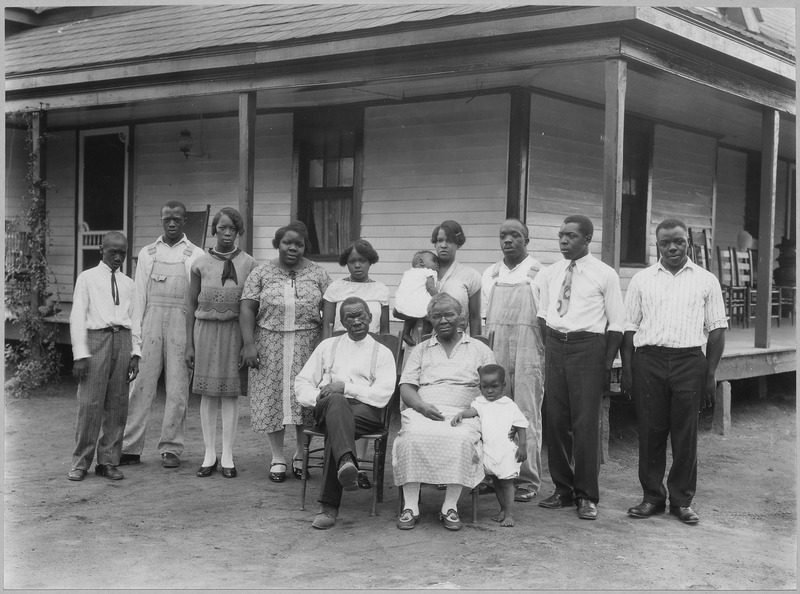
During the 19th and early 20th centuries, many women, particularly in the American South, were expected to remain in relationships despite infidelity, abuse, or emotional harm from men. They were often discouraged from challenging male authority, while accountability for men in those roles was often limited. At the time, women who faced financial insecurity relied heavily on men and stayed because they could risk losing stable housing, be at risk of not seeing their children, and have no income to live independently on their own. In addition, women were taught that it was a woman’s duty to stay loyal to her husband with no accountability on the man’s part. That imbalance shaped generations of relationships and family structures during the rise of feminism in the 1960s and 1970s that built off of the momentum of the Women’s Suffrage Movement and the creation of the 19th amendment (women’s right to vote). Around that time, there was more visibility in the workforce for women, much easier for women to file for divorce, and there was protection from gender discrimination, to name a few.
Today, that dynamic is changing like never before. Furthermore, to add, conversations around mental health are more prevalent, and women are increasingly stepping into leadership roles across industries and within their households. In many communities, particularly in the aftermath of mass incarceration and the long-term effects of the crack epidemic of the 1980s, women, especially Black women, have often taken on the primary responsibility of raising children and sustaining families. As a result, family structures have shifted, with more women gaining financial independence and, in some cases, leading in areas such as homeownership, representing a strong diversity in the workforce, entrepreneurship, and the public face of leaders in areas such as politics, entertainment, military, businesses, art, and so on.
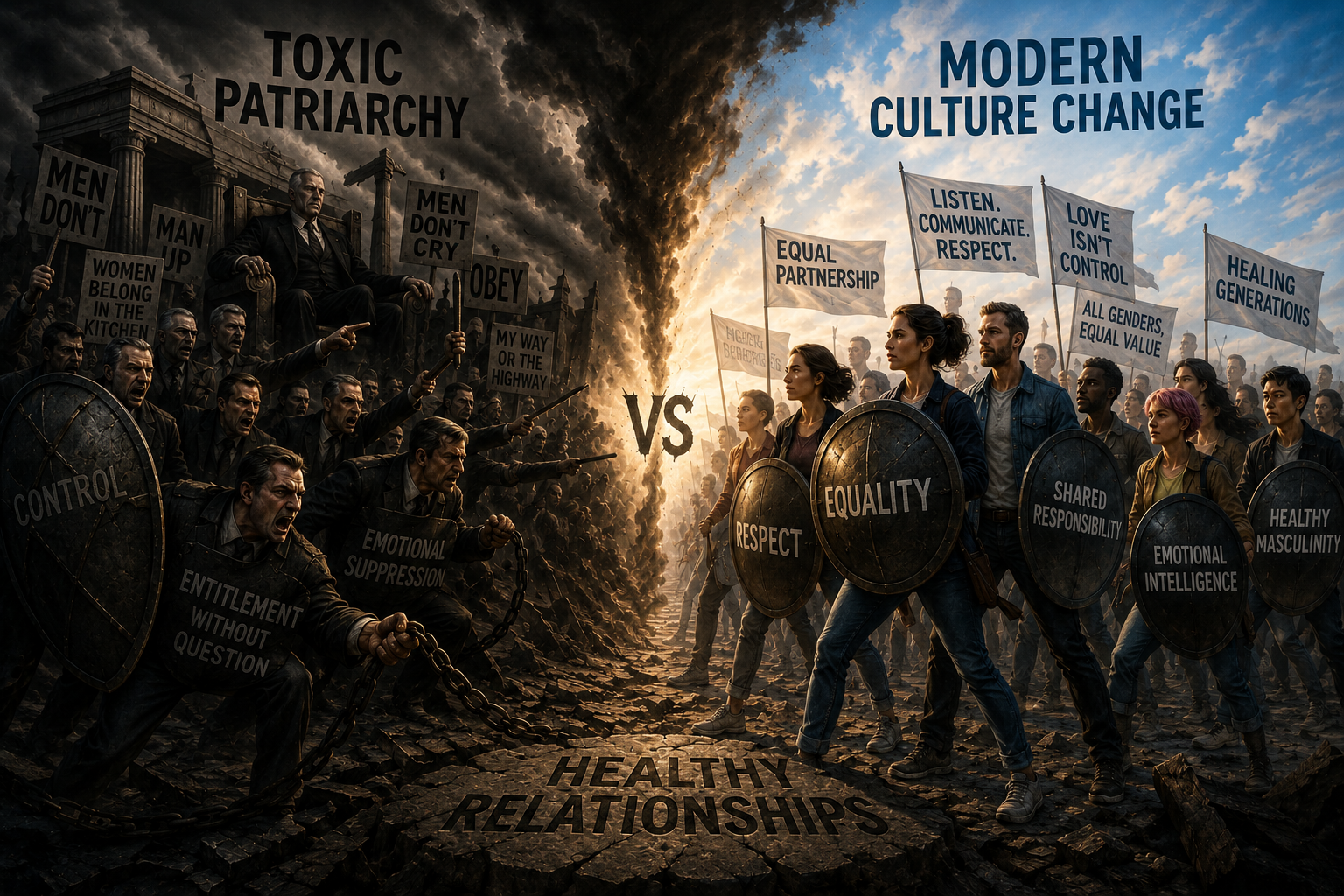
With these changes, tensions are becoming more visible, especially in social media discourse between males and females. In modern culture there’s even a rivalry of city girls vs. city boys, meaning city girls have the mindset of encouraging women to be financially independent, putting themselves first without any apology, and city boys mean men focusing on their own goals and lifestyle over relationships. Some commentary also points to growing resentment among men who value the old patriarchy system, which is deemed a toxic system in today’s culture, where the roles of a man’s actions were less questioned. At the same time, more women now feel empowered to leave unhealthy or unsafe relationships—something that was far less accessible or socially accepted in historical times. However, in some cases, these transitions can also pose a significant danger that may put a woman’s life at risk, especially when she decides to leave a relationship.
This statement is not to suggest that all relationship breakups fit this single pattern or to gender-bash. However, recent news about femicides has made these dynamics more visible. In some cases, men who believe in the traditional frameworks, where emotional expression was discouraged and authority was rarely questioned, may struggle with relationship breakdowns or rejection due to a lack of healthy coping tools that weren’t taught and normalized under the historical patriarchy system. At the same time, modern cultural shifts have highlighted gaps in emotional development and accountability that were not always addressed in earlier social norms of relationships and marriage, especially among men. In some cases, men may resist these shifts due to deeply ingrained beliefs shaped by older patriarchy systems of ancient times.

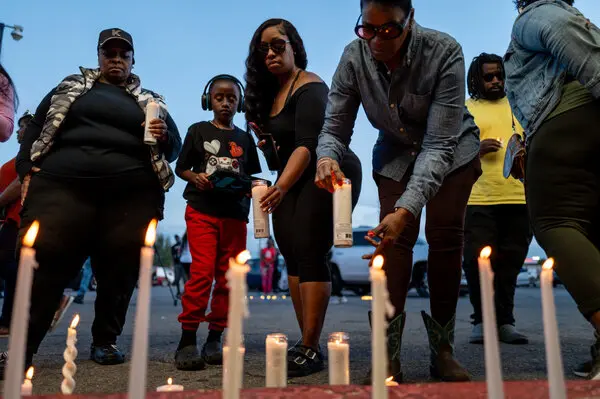
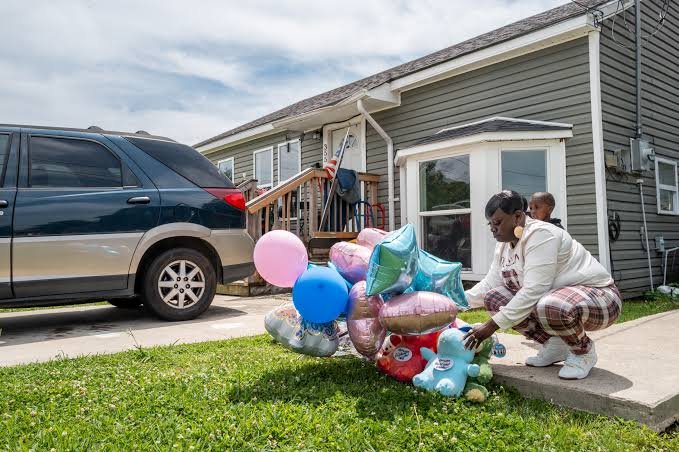
L-R: Crime scene outside the home of former Virginia Lt. Governor Justin Fairfax and his estranged wife, Dr. Cerina Fairfax — Photo Credit: AP; community members attend a candlelight vigil in Shreveport following the tragic deaths of eight children allegedly killed by Shamar Elkins — Photo Credit: Brandon Bell/Getty Images; and a woman places balloons and stuffed animals outside the home where the mass shooting occurred in Shreveport — Photo Credit: Brandon Bell/Getty Image
As cultural expectations continue to evolve, these tensions are sometimes reflected in online discourse, including “red pill” spaces and broader social media debates, where frustration and backlash to the transition of modern culture are an attack on what they deem their masculinity, which can be expressed on those platforms, in which some men are fighting for the old toxic system hierarchy and sharing strategies on how to manipulate women to fuel their ego and to humble a woman, who they deem as successful, giving them in their minds the humble pie.

Many women still believe in submission and leadership from men when it comes to relationships, but social media conversations and video commentary show that women increasingly emphasize that it must be grounded in positive behavior, a man knowing their true identity, him being secure within himself, a man knowing his purpose, him being a provider, emotional maturity, and monogamy rather than infidelity, objectification, disrespect, control, or dominance in order to rest and feel safe in their femininity. Many also believe in healthy relationships built on mutual respect, healthy communication, emotional well-being, accountability, and trust.
In modern culture, some women express discomfort with traditional “male leadership” dynamics when they are accompanied by disrespect, dehumanization, domestic violence, infidelity, control, or emotional instability. As a result, many women are prioritizing peace and emotional safety—leading some to choose singleness or set higher standards in relationships rather than accept unhealthy patterns and unchanged behavior. This shift also places the mirror on men (in a general sense) increasing expectations for men to engage in personal growth and emotional development, rather than relying on outdated or harmful norms of the ancient system.
A concern raised in this context is what happens when men shaped by older, unhealthy systems are dissuaded from or decline to do that internal work. The embedded rules within that ancient and centuries-old system can reinforce toxic behaviors and discourage men from changing or challenging what they see as their manhood. Personal growth under that old system may be seen for them as conflicting with its expectations—creating internal and relational tension as those norms come into contact with evolving cultural standards. This lack of coping tools can lead to emotional breakdowns when a woman leaves a relationship, sometimes resulting in violence due to the absence of accountability taught in the old system. In other cases, some may seek partners who are more submissive or less likely to challenge them under those systems, which is seem with the “passport bros,” rather than adapting to healthier relational expectations. Such behavior can create an ongoing cycle where harmful patterns persist instead of being addressed or corrected through accountability and self-reflection.
Ultimately, as expectations continue to change, questions remain about whether we are witnessing a broader clash between older patriarchal frameworks and a newer social reality defined by greater autonomy, emotional awareness, and the freedom to leave unhealthy relationships.