


The increasing number of domestic violence cases, primarily involving women, has been highlighted by high-profile family violence news. The news involving partners getting arrested in domestic violence continues on and on, recently with the most recent story, such as a Pierce County, WA Sheriff’s deputy being charged for alleged domestic violence. Stories like this need to continue to be spotlighted to address the issue. It’s good that it’s National Domestic Violence Awareness Month in October, but these stories need to continue on outside of the awareness month to continue the message as a way to save one’s life.
Last month’s mass shooting in Shreveport, Louisiana, was horrific, to the point that the crime was described by investigators as a “family annihilation” case related to domestic violence. Authorities say Shamar Elkins, a man who the author describes as going quite mad, killed eight children, seven of his own, and injured two women, including his wife, Shaneiqua Pugh, before dying following a police pursuit. Officials have reported that the couple was in the process of going through court proceedings, with a court date scheduled for the day after the massacre.
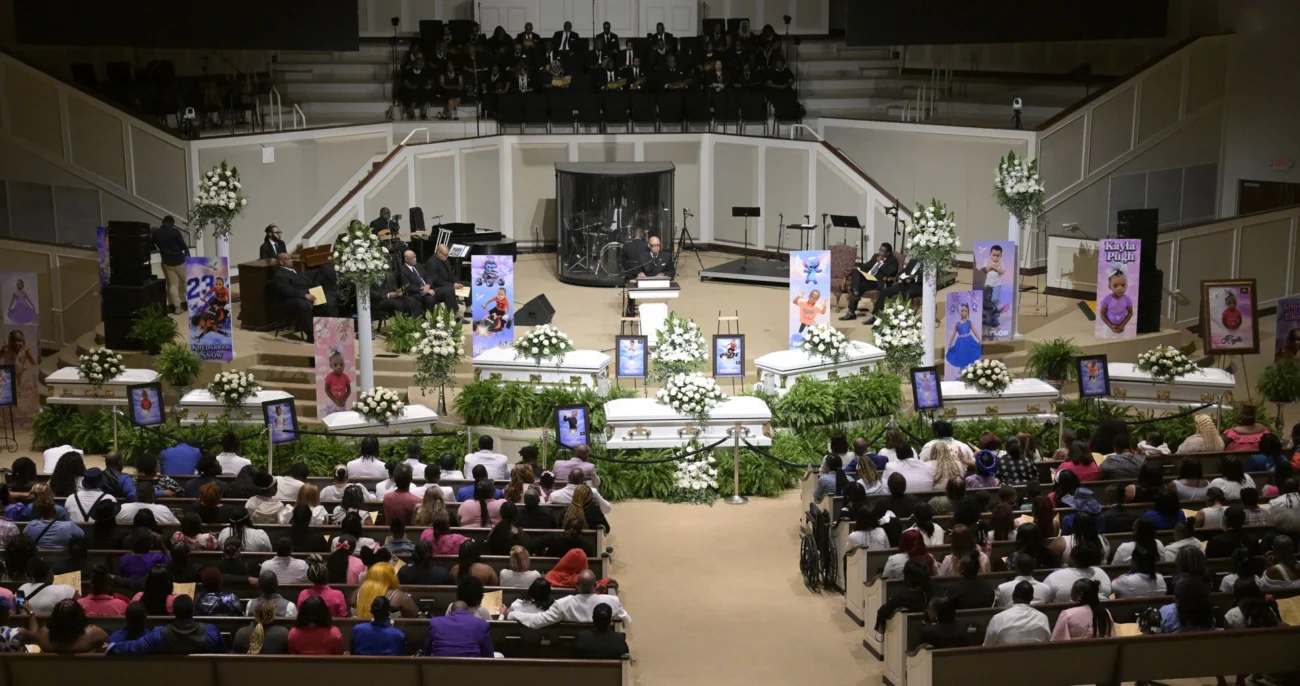
This case, as well as the other cases, are examples of the renewed public attention given to how dangers can arise in the most volatile stages of domestic conflict. According to the National Domestic Violence website, intimate partner violence affects well over 12 million people per year.
Separation as a High-Risk Period in Domestic Violence
The separation phase is one of the most dangerous phases when it comes to relationships due to the feeling of being rejected or abandoned, especially if the relationship is abusive, the partner is controlling, and displaying erratic behavior, increasing the level of mixed emotions such as anger, anxiety, impulsiveness, sadness, confusion, and betrayal.
According to Emily Ruben Stein Law, the mixture of emotions can lead to poor decision-making, impulsive behavior, and difficulty focusing on the important aspects of life, such as work, finances, and co-parenting. When a partner perceives the end of a relationship as loss of control, escalation can occur, sometimes rapidly and unpredictably.
A Broader Pattern of Erratic Behavior Seen in Recent High-Profile Cases
The Shreveport tragedy comes amid other incidents that have raised similar concerns about domestic violence escalation. One other notable case involved former Virginia Lieutenant Governor Justin Fairfax, who fatally shot his wife, Cerina Fairfax, before taking his own life in April 2026 in Annandale, Virginia. According to authorities, the couple was undergoing a contentious divorce and still living in the same home at the time of the incident. Their teenage children were present and called 911 after the violence occurred.
Investigators said Fairfax had recently been served court-related divorce paperwork, which may have been a contributing stressor in the situation, in which Justin was already displaying unstable behavior. Reports also indicated the couple had been involved in ongoing disputes involving his downfall of not being financially secure (financial strain), not getting clients for his law firm after the sex abuse case, heavy drinking on Justin’s part, false police reports Justin made on Cerina, and Justin spending money recklessly when the money was supposed to be used on the children’s horseback lessons.

Officials described the case as stemming from a domestic dispute during a “messy” separation process, highlighting how legal proceedings and relationship breakdowns can intensify already volatile situations.
The risk highlights the importance of having a safety plan, seeking safety refuge in discretion, and accessing outside support systems for individuals attempting to leave unstable or abusive environments.
Understanding Risk and Prioritizing Safety
In situations involving intimidation, coercion, or threats, safety planning is often a critical step for those safely seeking to leave. While every situation is different, advocates emphasize several foundational precautions:
- Trusting personal instincts if a situation feels unsafe or escalating
- Planning departures carefully and avoiding advance disclosure when it may increase risk
- Preparing essential documents (i.e., birth certificates, IDs) and necessities in advance and keeping them accessible
- Establishing trusted contacts who can serve as emergency support
- Identifying safe locations to go quickly, if needed
Support networks, whether friends, family, or community resources, can play a vital role in helping someone navigate a safe transition.
Digital and Communication Safety
Technology is an easy way to digitally track victims, with online exposure increasing vulnerability. Victims are often advised to:
- Limit location sharing on social media and mobile apps
- Review privacy settings and disable unnecessary tracking features.
- Secure communication channels, including updating passwords and accounts when safe to do so
- Change your number. Block contact with the abuser and anyone associated with the abuser through phone contact and social media.
- Change your social media pages and usernames, if needed.
- Avoid posting your real-time location online at all cost
Even indirect online activity can sometimes reveal patterns and whereabouts, making digital awareness an important part of safety planning.
Home and Personal Safety Measures
- Installing home security systems, cameras, and reinforced entry protections
- Immediately notifying authorities when threats exist, which in some jurisdictions may allow for extra patrol checks
- Learning situational awareness techniques and basic self-defense skills through certified programs and becoming a gun owner.
- Victims can seek legal protections, including protective or restraining orders.
Housing, Relocation, and Confidentiality
For those who need to relocate, confidentiality can be critical. Safety advocates recommend carefully controlling who is aware of a new location and ensuring that only trusted individuals and essential institutions have access to updated information.
Children’s schools, caregivers, and employers should be informed only on a need-to-know basis, with clear instructions on privacy and authorized contact procedures. In this case also makes sure that your trusted soource, especially family members and friends, are safe and have a safety plan in place during the process so they won’t be stalked by the abuser.

Many states also offer Address Confidentiality Programs (ACPs), which allow survivors of domestic violence, stalking, or similar threats to use a substitute mailing address in place of their physical residence. This helps protect home addresses from appearing in public records and reduces the risk of location tracking through mail or official documents.
In high-risk situations, victims can take additional steps to protect themselves, such as the following, but not limited to:
Support Systems and Emergency Resources
Domestic violence advocates highlight the importance of seeking support during any transition period of a relationship breakdown. Trusted sources can also help the victim establish emergency communication plans, including code words or signals for urgent assistance.
It’s also important to provide a safety plan for children and pets to ensure safety, which can play a key part of safety preparation, ensuring that their needs and custody arrangements are secured in advance when possible, such as supervised custody as well as no custody arrangement if the abuser is deemed mentally unstable.
A Broader Conversation
Domestic violence cases that results in fatalities reflect a broader and concerning pattern seen in domestic violence-related homicides, which is the risk of a spouse being in imminent danger, especially if the other party is showing signs of erratic behavior during the separation phase or when a divorce is underway.

The Shreveport case and the Fairfax case, for instance, are well-documented realities that domestic violence risk can escalate highly during separation, legal proceedings, or relationship breakdowns. Advocates continue to emphasize that early planning, support networks, and access to resources can be critical in reducing harm during these high-risk periods.
Advocates emphasize that awareness, planning, and access to resources can make a big difference during these high-risk transitions. Leaving a dangerous or controlling relationship is a risk, but support systems and safety exit strategies exist to help reduce risk and keep victims and others protected.
For immediate or ongoing support, the National Domestic Violence Hotline provides confidential, 24/7 assistance at 1-800-799-7233, including safety planning and local resource referrals.