

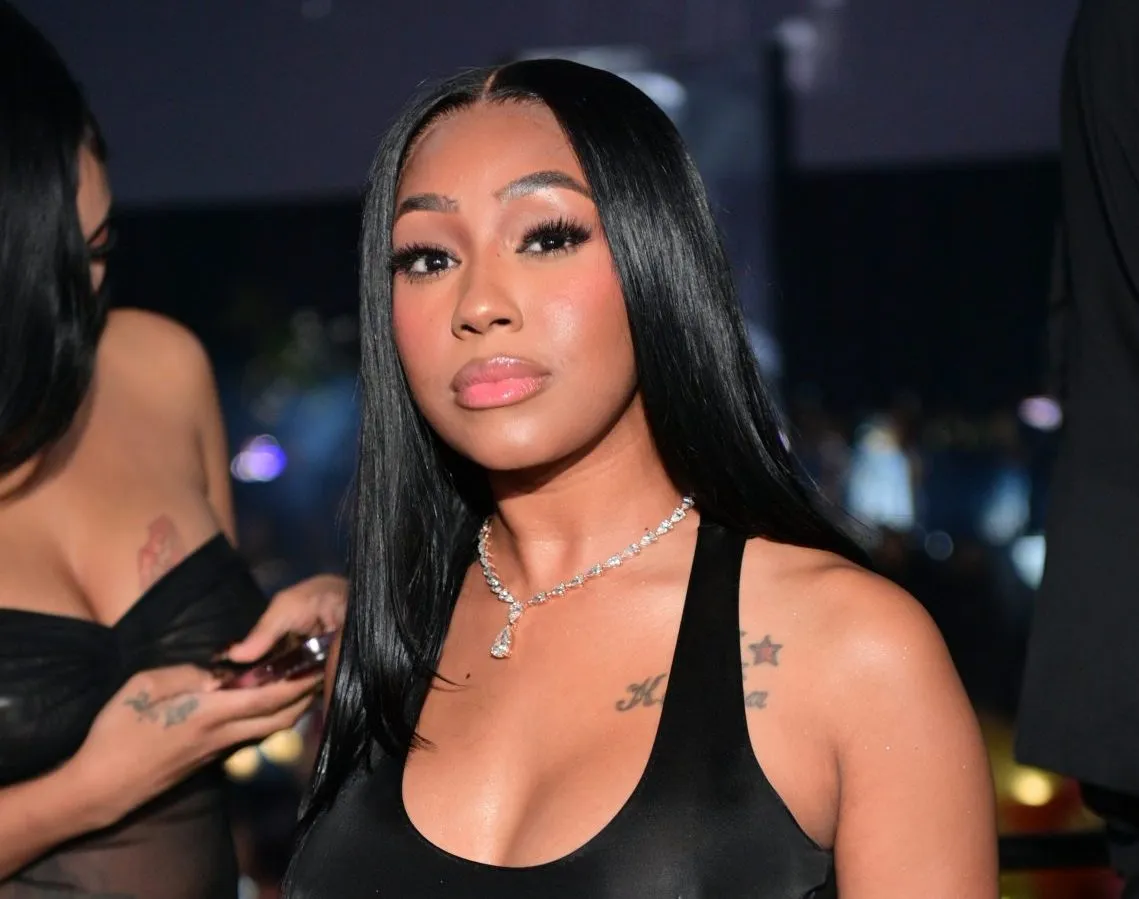
The recent criticism from India Arie and Nikki Gilbert has reignited a decades-old conversation about whether today’s music is damaging to young people, specifically regarding Yung Miami’s song “Spend Dat.”
The short answer is yes. While some music can be damaging, this perspective only addresses part of the issue. The other half requires every generation to look in the mirror.
Neo-soul artist, India Arie, has earned respect throughout her career by creating music centered on self-love, Black womanhood, and empowerment. She has never built her career on sexually explicit lyrics, so her concerns about the direction of some of today’s music are consistent with the message she has always lyrically represented. Nicci Gilbert, from the popular 1990s R&B group, Brownstone, has also made hip and self-respect songs through songs such as “If You Love Me,” “Grapevyne,” “5 Miles to Empty,” and “I Can’t Tell You Why.”
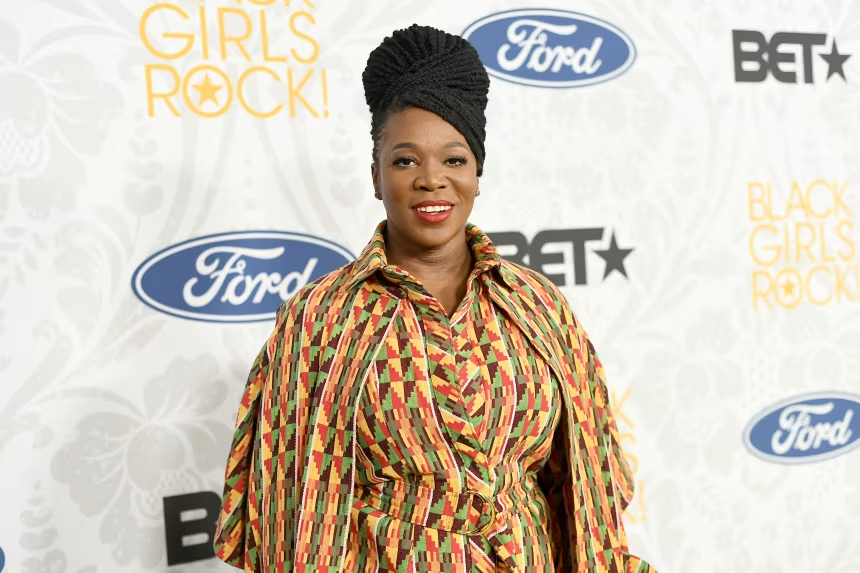
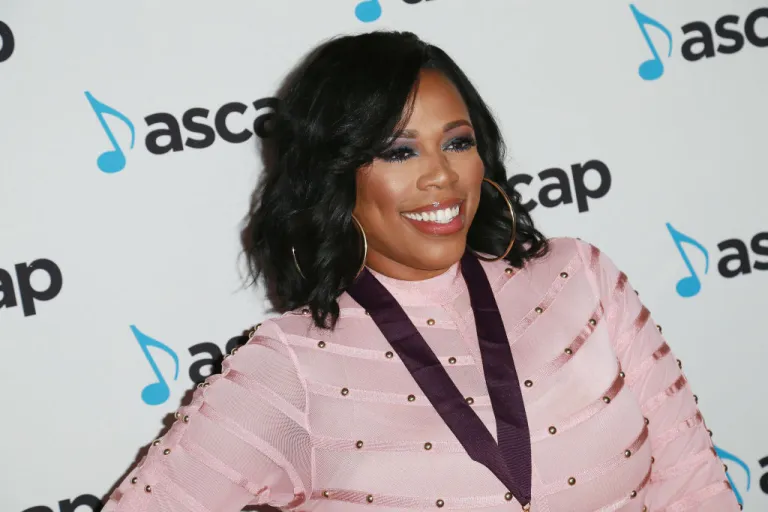
L-R: India Arie and Nicci Gilbert expressed their dislike for the song, Spend Dat, by Yung Miami; Photo Credit: Getty Images
However, today’s music cannot be discussed without also acknowledging the music from the past that shaped modern music culture. Before Yung Miami, there was 2 Live Crew, a Miami-based hip hop group, mostly consisting of late Baby Boomers, whose sexually explicit music challenged cultural norms and even sparked historic First Amendment battles. While not every hit was overtly explicit, songs like Salt-N-Pepa’s 1986 hit “Push It,” by early Generation X groups, became cultural anthems with lyrics and performances that sparked conversations about sexuality and female expression.
Songs like the 1996 song by Akinyele, “Put It in Your Mouth” pushed lyrical boundaries even further, while artists such as Adina Howard, Ginuwine, Color Me Badd, Jodeci, Silk, H-Town, and R. Kelly broke barriers by openly embracing sexual themes in 1990s R&B. Wreckx-n-Effect and other generation X artists like LL Cool J, Lil’ Kim, Trina, Ludacris, Ying Yang Twins, Juvenile, and Trick Daddy continued to make sexually explicit music which became a part of mainstream hip-hop culture in the 1990s and 2000s. The rise of female rap bosses like Khia, Lil’ Kim, Patra, Foxy Brown, Trina influence and paved the way for millennial artists like Nicki Minaj, Cardi B, Yung Miami, Megan Thee Stallion, and even Zoomer like, GloRilla, Sexyy Red, and Latto, to explore their sexuality in their music.
Even many of today’s artists have acknowledged they were influenced by the music they grew up hearing. During an interview on the Hulu documentary series Rap Caviar, Megan Thee Stallion (a late Millennial), for instance, shared her mother’s reaction to her lyrics being too mature for her age. She highlighted that her parents were instrumental in introducing her to much of the music as a child. Megan mentioned listening to Generation X artists such as Three 6 Mafia, UGK, Foxy Brown, and early millennial artist, Lil Wayne in her parents’ household. She also noted that the first female rapper she heard, apart from her mother, who performed under the stage name Holly-Wood, was Lil Kim. This illustrates how musical influences are often passed down through generations.

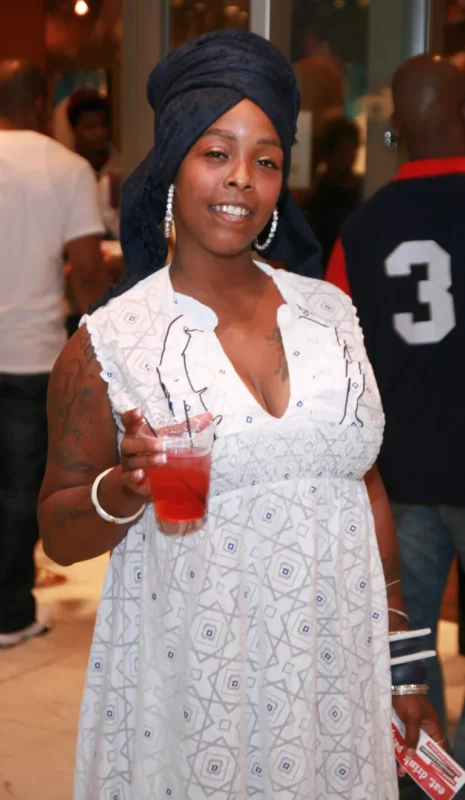
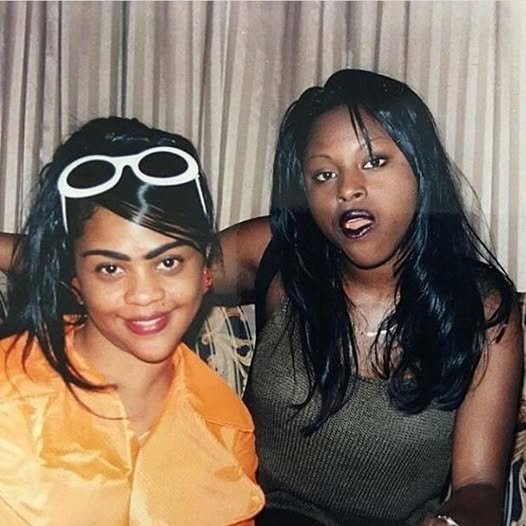
Earlier pioneers of the female boss rappers, from left to right, Trina, Khia, and Foxy Brown & Lil Kim; Photo Credit: According 2 Hip-Hop, Film Magic, and Google Image Search
The same conversation applies to street-oriented rap. The East Coast-West Coast rivalry between Generation X artists Tupac Shakur and The Notorious B.I.G. escalated an era in which lyrical battles, 1995 Source Award tensions, the shooting of Shakur at a recording studio, and street authenticity became dangerous, leading to their deaths. Philly rapper Schoolly D, Boogie Down Production, Eric B. and Rakim and West Coast pioneers like Ice T and N.W.A. gave vivid depictions of street culture, drug dealing and homicide through their music and helped popularize “gangsta rap” known as hardcore music. Over time, some of those themes evolved with generations of artists to embrace harder street narratives in which those styles are heard in drill and trap music, where lyrics often reference violence, retaliation, and firearms.
The conversation also extends beyond sexually explicit lyrics. Throughout the 1990s, artists like Snoop Dogg became synonymous with music that referenced marijuana use, and Southern hip hop artists glorifying “purple syrup,” a recreational drug made of cough syrup and soft drink. Many millennials grew up listening to that music, and as they became artists, parents, producers, and tastemakers, those themes and images continued to be passed down to Generation Z and Gen Alpha. While music alone does not determine a person’s choices, it can influence what is normalized, celebrated, or viewed as acceptable within popular culture. That is why every generation, not just today’s artists, shares some responsibility for the cultural messages handed down to the next.
Yung Miami, who was born in 1994, didn’t create this culture – she inherited it similar to many artists who was influence in some shape and form. Raised in Miami, she came of age in a city where artists like Trina, Trick Daddy, Jacki-O, and 2 Live Crew had already established much of the local hip-hop sound. In addition, some of the visuals in “Spend Dat” pay tribute to the 1998 film, The Players Club, when she was a child.
None of these factors excuse some of the harmful messages in her music. Music has power. Lyrics influence culture, and culture can influence attitudes and behavior. Social media has amplified that influence, allowing songs to reach millions of children almost instantly. People that are against negative music are right to ask whether some of today’s music is appropriate for young audiences.
However, the older generation’s culture also shapes the younger generation, so accountability can’t rest solely on them. If each generation wants today’s artists to change, it must also acknowledge the music, videos, and entertainment its generation embraced and passed down to Millennials and Generation Z. Critiquing today’s artists while ignoring yesterday’s influence tells only part of the story.
If we delve even deeper into the conversation, we discover that generations preceding Generation X were also shaped by the music of their era. This discussion stretches across Generation Z, Millennials, Generation X, Baby Boomers, and even earlier generations. Long before graphic lyrics in modern music existed, popular music contained suggestive and sexually themed lyrics. Artists like Millie Jackson, a Baby Boomer, built a career around her candid, sexually charged storytelling music. Rick James sung a 1978 love ballard for his ‘Mary Jane’ (marijuana), Even earlier, blues and novelty records relied heavily on double entendres and sexual innuendo. Songs like “Banana in Your Fruit Basket,” by Bo Carter, Lucille Bogan’s “Shave ’Em Dry,” and Clara Smith’s recordings such as “It’s Tight Like That” demonstrate that provocative music did not begin with modern music.
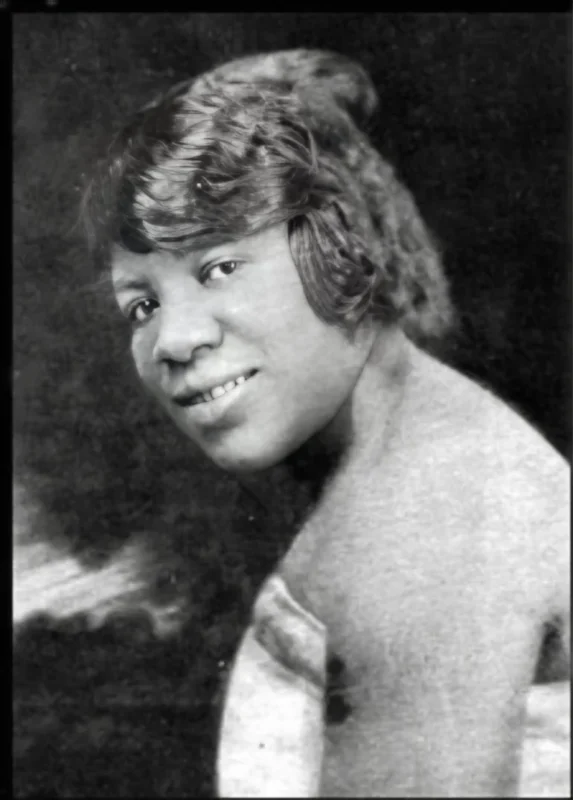
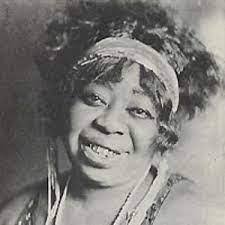

Blues artist from the early 20th century, known for their dirty blues music, from left to right, Clara Smith, Lucille Bogan, and Bo Carter; Photo Credit: Spartanburg Music Trail, The Blues Foundation, and Elmore D
Even songs that sounded like beautiful love ballads sometimes told morally complicated stories. Whitney Houston’s 1985 song, “Saving All My Love for You,” for example, tells the story of a woman (called the side-chick of modern times) involved with a married man, who was rumored to be about her relationship with Jermaine Jackson, a theme many listeners overlooked because of the song’s beautiful melody and emotional delivery.
Every era has produced artists who pushed cultural boundaries. At the same time, every generation has also produced musicians who chose to create uplifting, socially conscious, inspirational, and empowering music.
The encouraging news is that we can break cycles. Today’s artists have the opportunity to shape tomorrow’s music culture, just as some musical artists from previous generations helped shape today’s. More artists can choose to create music that uplifts communities, celebrates healthy relationships, and expands the range of stories told through hip-hop and R&B.
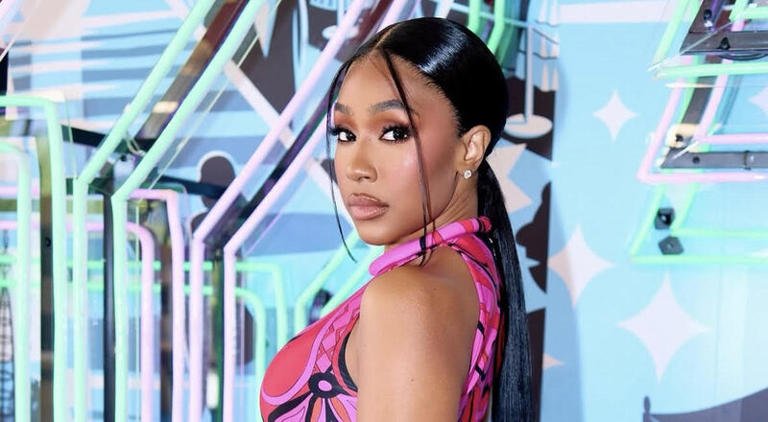
Change has to start somewhere, and India Arie and Nicci Gilbert deserve credit for being willing to start the conversation. Perhaps this debate isn’t really about Yung Miami alone. It is an invitation for every generation to ask a more difficult question: “What legacy are we leaving for the generation that follows us?“
The same children singing Yung Miami’s lyrics today, members of Generation Alpha and eventually Generation Beta, may grow up carrying those messages into adulthood. In many ways, they will inherit the same culture previous generations passed down before them. That is precisely why artists like India Arie and Nicci Gilbert are calling for a change: they hope to stop the cycle before another generation repeats it.
Culture is inherited, but it is also rewritten. If we want future artists to make different choices, every generation must be willing to acknowledge its influence, learn from its mistakes, and help create a better soundtrack for those who come next.