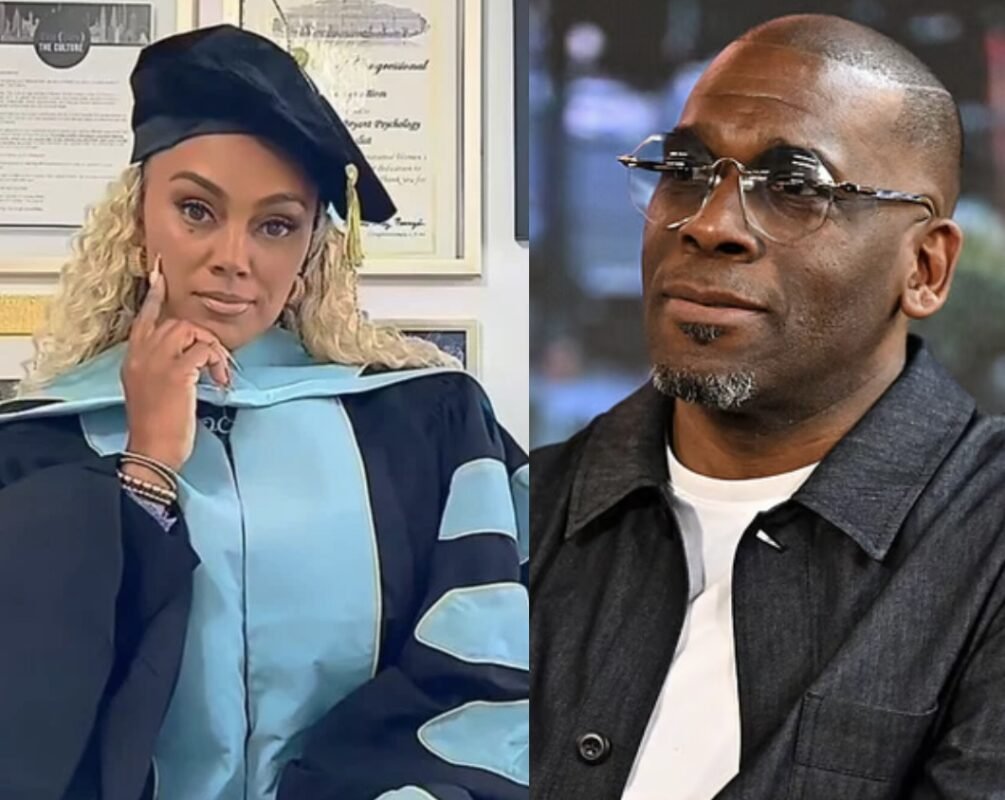

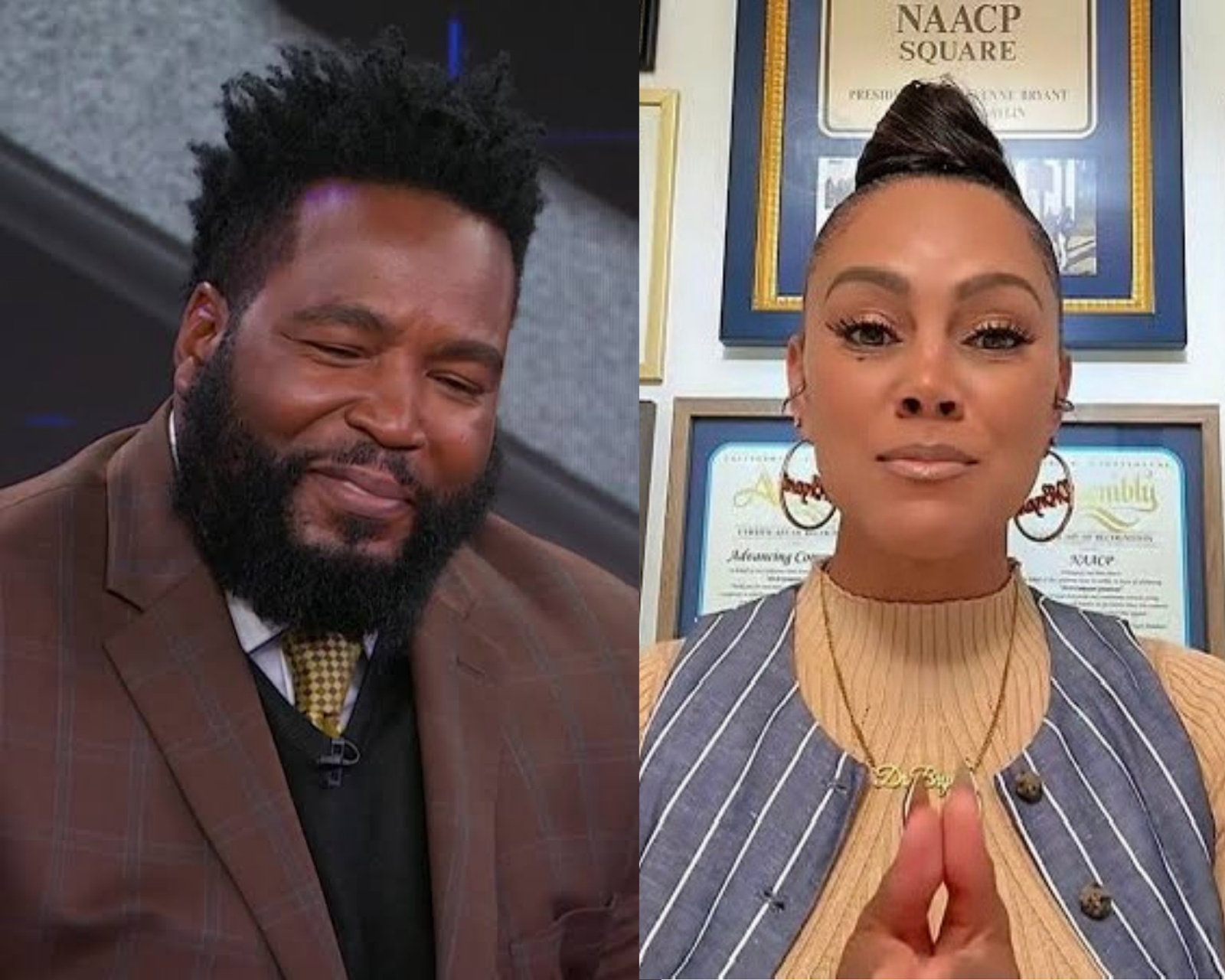
Dr Umar Johnson recently responded to the controversy surrounding Dr Cheyenne Bryant during his interview on Art of Dialogue. Dr Bryant is receiving scrutiny after her online misrepresentation of her credentials, including questions about her licensure status and academic background. Johnson stated that he would continue referring to her as “Dr Cheyenne Bryant” because, in his view, if someone says they earned that title, he will respect it unless proven otherwise. He said that her credentials as a life coach are unrelated to him and she’s helping people, not misdiagnose people.
He also related the situation to his experience from 11 years ago when journalist Roland Martin publicly labelled him a fraud, falsely accusing him of having any degrees and describing the incident as a “public lynching” in which Martin attempted to embarrass him in front of a panel. He explained that he eventually provided verification of his educational background and credentials from a school accredited by the American Psychology Association. Johnson states that they discovered his dissertation and his Doctor of Psychology in Clinical Psychology.
Umar further suggested that many of Bryant’s critics are mostly women – expressing that some are jealous of her looks, her life coaching career, and her podcast success and wish they were in her position because Bryant has become more successful and visible than others with similar backgrounds or skill sets.
Listen up, Dr Umar (in my Tia Kemp voice)! Two things can be true at once: some women may be jealous, while others, including women, are simply raising legitimate concerns about accountability and professional ethics. Criticism is not always rooted in jealousy and envy. Dr Umar’s opinions on Bryant are shaped by his personal experience. However, personal experiences do not always reflect everyone else’s motives or intentions. At times, when questioning someone or telling the truth about a matter, it can always be taken as “hating” or “jealous”, even when the concerns raised may be valid.
People are responding to inconsistencies in Bryant’s statements about her background and her “unclear” reasoning for not providing proof of her dissertation and doctorate degree as well as her contradiction advice related to sensitive fields like mental health care. Normally, mental health professionals are required to verify their credentials, and there’s a public database to look up one’s credentials.
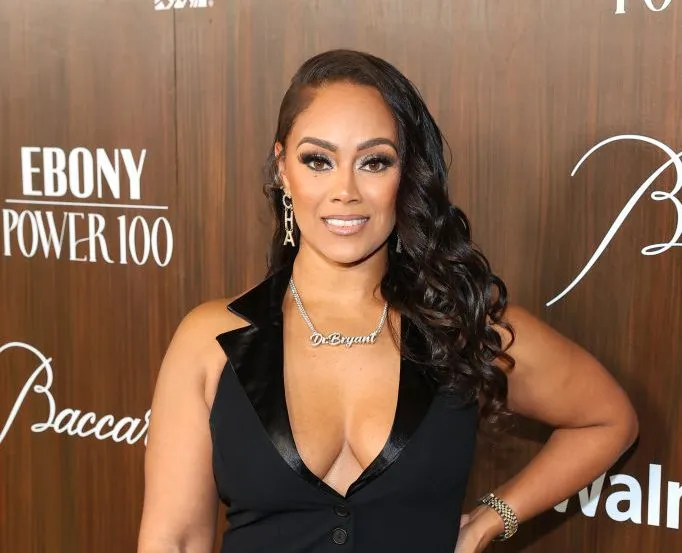
For context, Bryant appeared on The Joe Budden Podcast, explaining that she’s no longer a licensed therapist. During the interview, she stated that she’s no longer operating under the rules and regulations established by licensing boards and preferred to work independently. Bryant said she now works as a life coach and psychology expert rather than a licensed clinician, adding that leaving licensure behind provided her with more financial and professional freedom.
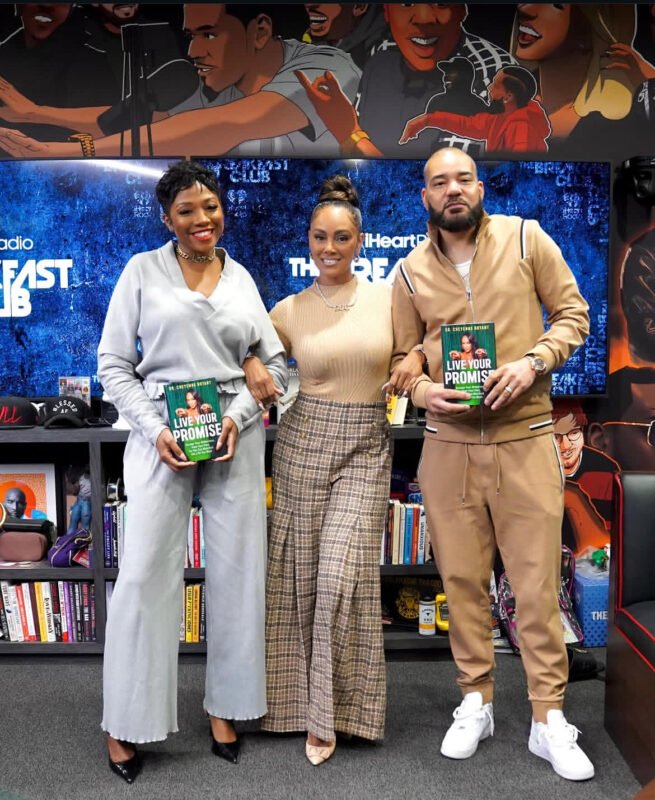
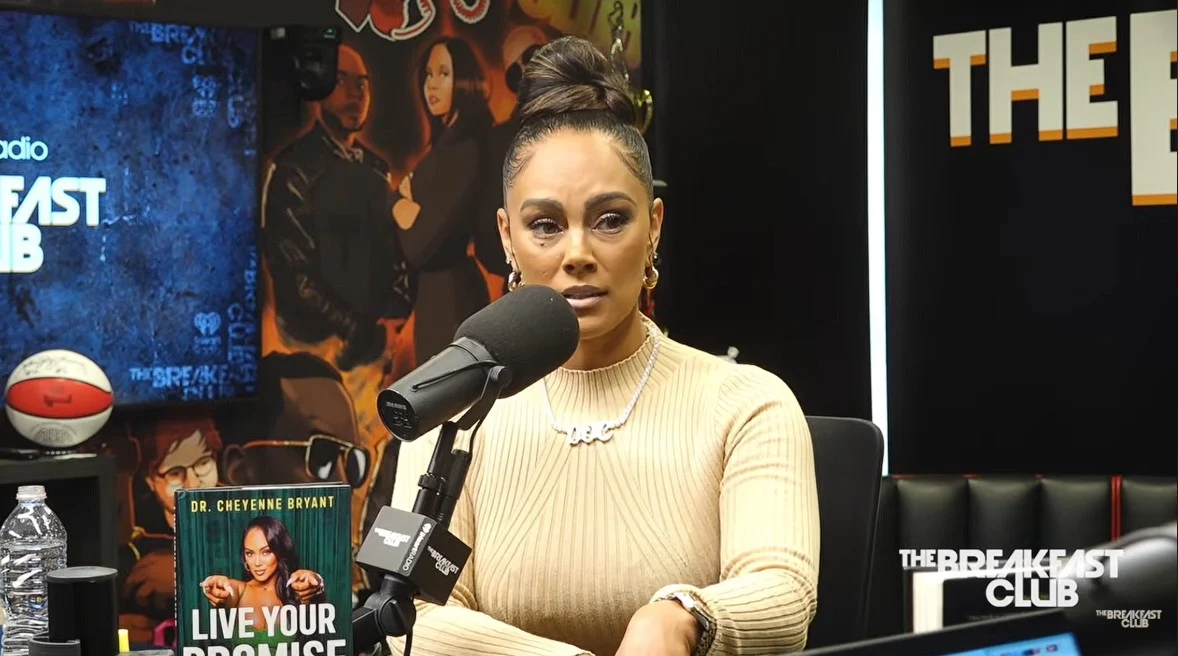
The controversy intensified because many people felt there had been conflicting messaging over the years regarding whether Bryant was actively licensed and how she publicly presented herself professionally. Confusion surrounding Bryant’s credentials intensified further following her appearance on The Breakfast Club, where she explained that she initially had difficulty obtaining her transcripts because she missed the school’s two-year access window before eventually retrieving them through the university’s online portal. Questions also continued during her interview with Fox 5 News reporter, Marissa Mitchell, where Bryant defended her decision to continue using the “Dr” title publicly.
If she’s a life coach, then that’s fine, but what people are bothered by is that she never was upfront about that in the first place and kept labelling herself as a licensed therapist. The argument is more about transparency, especially in the mental health field where the vulnerable are seeking treatment to cope with their emotions.
Concerns surrounding Bryant’s credentials extend beyond her recent comments on The Joe Budden podcast. Public figures such as comedian Corey Holcomb, media personality Tasha K, and Basketball Wives star Brooke Bailey had previously raised questions or concerns regarding Bryant’s professional image and credibility.
Corey Holcomb, who previously appeared alongside Bryant during an interview on the Alonzo Williams podcast in 2013, later told Cam Newton in 2024 that he questioned whether Bryant was licensed after seeing her appear on Newton’s platform. Holcomb claimed he searched online for academic records related to Bryant’s dissertation and criticized what he saw as inconsistencies in her public image.
Separately, Brooke Bailey stated during an appearance on Tasha K’s platform that she had known of Bryant before her rise in popularity and had concerns regarding how Bryant discussed certain alleged client situations publicly while also presenting herself as a mental health advocate.
Mental health is an everyday issue. Everyday news tragedies are somehow connected to untreated trauma, depression, emotional instability, violence, addiction, and other psychological struggles. Because of these issues, trust in mental health professionals is critical. Many people, at times, have difficulty opening up to mental health professionals with their personal experiences, emotional battles, and scars. Licensed mental health professionals are trained under specific ethical and legal standards to properly diagnose, assess, and treat patients. That is why concerns about her credentials and scope of practice become major topics of discussion.
When public messaging appears unclear or inconsistent, people naturally begin asking questions, especially professionals within the mental health field who understand the responsibilities attached to those titles. Since Bryant’s interview aired, social media users, commentators, and mental health professionals have continued debating the issue. Some users claimed they could not locate certain academic materials connected to Bryant online, while others questioned how she marketed herself publicly over the years.
One TikTok creator, known by the username @whittmarie, stated that Bryant allegedly did not always directly refer to herself as a doctor in certain contexts. However, the creator also claimed she searched for Bryant’s academic work online and was unable to locate a dissertation, published thesis, journal articles, or ProQuest records authored by Bryant.
On X, another social media user, @HarrietEve9, harshly criticized Bryant, questioning her influence within the Black mental health community, tweeting:
“Grifter and pseudo-doctor Dr Cheyenne Bryant – is a danger to the Black mental health community – and the Black collective as a whole… She is nothing more than a delusional social media influencer.”
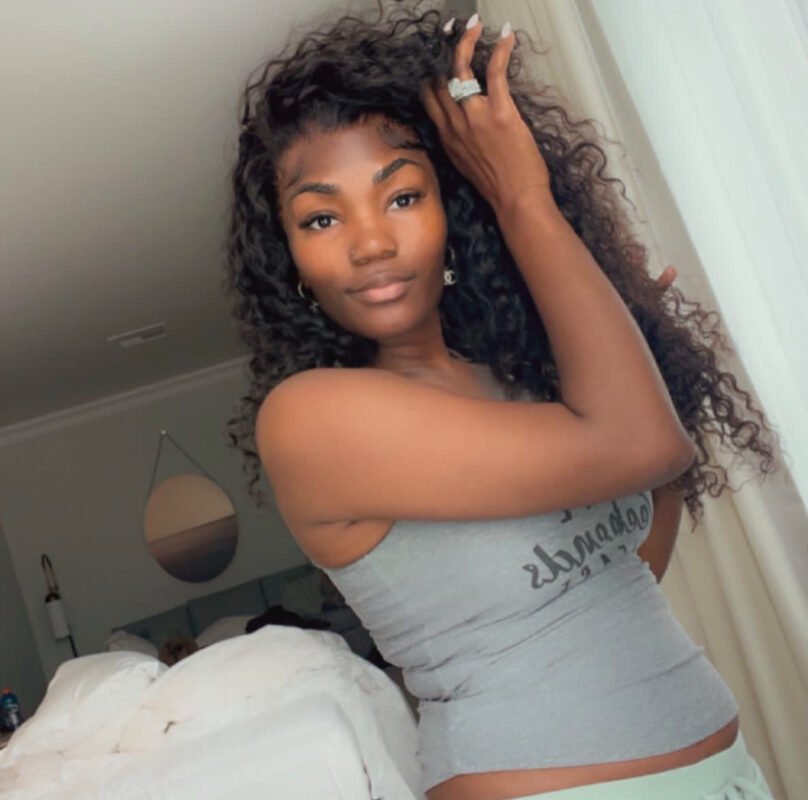
The tweet from that user was backed by a video clip discussing Bryant’s résumé and online image of her see through clothing.
Meanwhile, Tony Gaskins, a life coach and author with a large social media following, publicly accused Bryant of using her appearance and public image alongside her professional branding to attract audiences and high-profile male clients. Gaskins referenced celebrities such as Cam Newton, Shannon Sharpe, and Nick Cannon while discussing Bryant’s online visibility. He believes that some male audiences may focus more on Bryant’s appearance than her expertise, particularly during appearances on highly visible podcasts and media platforms.
Gaskins also implied that Bryant’s announcing that she’s no longer licensed during her appearance on the Joe Budden Podcast may have led to possible scrutiny of people who were going to expose her before she announced the news. Additionally, he discussed what he views as the distinction between individuals genuinely operating within their purpose versus those motivated primarily by fame and attention.
Another YouTube commentator, Motivation Jason, reacted to a video involving a military veteran who sought Bryant’s services while dealing with PTSD and later expressed dissatisfaction with the guidance she received after paying her $350.00. The commentator argued that individuals presenting themselves in therapeutic roles should be held accountable, even serve jail time, for how they advise vulnerable clients.
Separately, Dr Raquel Martin, a licensed psychologist based in Nashville, TN, released a commentary video responding to Bryant’s interview. In the video, Martin provided a point-by-point analysis of Bryant’s statements regarding licensure and professional practice. Bryant had stated during the interview that presenting yourself as a therapist without a licence is illegal. Martin states that her response was to not publicly shame Bryant but to bring accountability in the mental health field.
For many critics, the issue is not jealousy. The issue is accountability and transparency. If someone is operating as a life coach rather than a licensed therapist, many believe that distinction should be communicated clearly and consistently so audiences understand the difference. This conversation speaks to concerns about public figures being transparent and responsible in the age of social media influence – especially when discussing mental health, where “emotionally” vulnerable people are in need of healing.